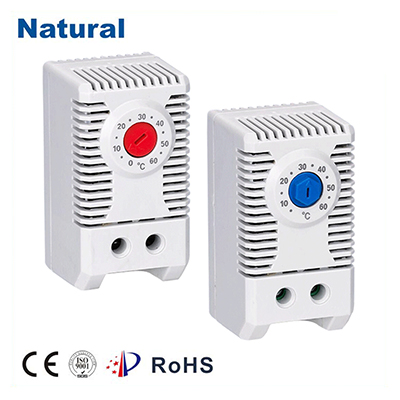
In today’s homes and commercial buildings, maintaining an ideal indoor climate is essential for comfort and productivity. One crucial device that plays a significant role in achieving this balance is the contact thermostat. Often overlooked in the broader discussion of heating, ventilation, and air conditioning (HVAC) systems, the contact thermostat is a pivotal component that can greatly influence energy efficiency and comfort levels. This article will explore the functionality, benefits, and various applications of contact thermostats, shedding light on why they are an invaluable asset in modern climate control systems.
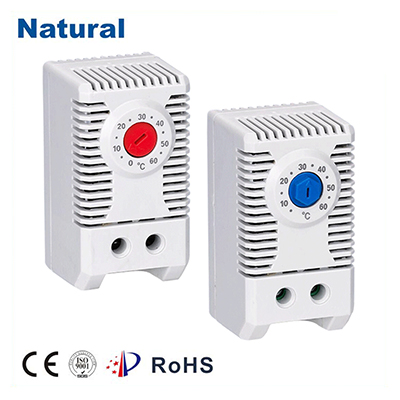
What is a Contact Thermostat?
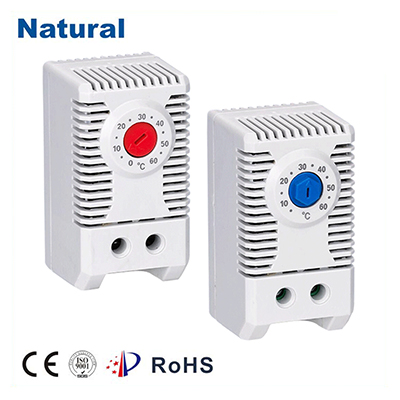
A contact thermostat is an electronic device designed to regulate temperature by controlling heating and cooling systems. It operates by sensing the ambient temperature in a space and activating or deactivating the HVAC system in response to temperature changes. For instance, if the temperature falls below the set point, the thermostat will close the electrical contacts, signaling the heating system to turn on. Conversely, when the room reaches the desired temperature, the thermostat opens the contacts, allowing the heating system to shut down. This simple yet effective mechanism enables users to maintain a comfortable indoor environment.