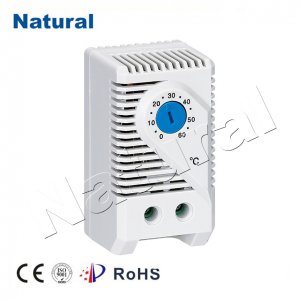
In many industries, precise temperature control is vital for the preservation, functioning, and safety of various materials and equipment. Whether you’re dealing with electronic devices, food storage, or sensitive machinery, maintaining an optimal temperature within enclosures is critical. This is where a cabinet thermostat plays an essential role. By regulating temperature inside cabinets or enclosures, these devices ensure that the temperature remains within a specific range, protecting the contents and promoting efficient operation. In this article, we will explore what a cabinet thermostat is, how it works, its various applications, and why it is an invaluable tool in multiple industries.
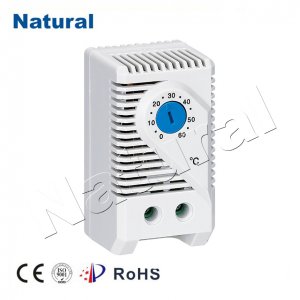
What is a Cabinet Thermostat?
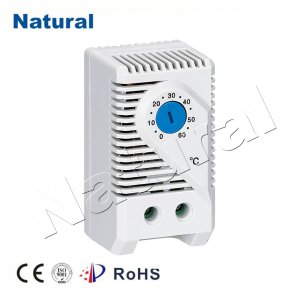
A cabinet thermostat is a temperature-regulating device designed to monitor and control the temperature inside an enclosed space, such as a cabinet, storage unit, or industrial housing. The thermostat typically includes a temperature sensor, control circuitry, and a switching mechanism to activate heating or cooling devices when the temperature inside the cabinet reaches a preset threshold. Cabinet thermostats are often used in environments where the external temperature is not stable, or where sensitive equipment requires consistent thermal conditions to operate efficiently. For instance, electronics such as servers, circuit boards, or laboratory instruments often require a controlled temperature environment to avoid overheating or malfunctioning.