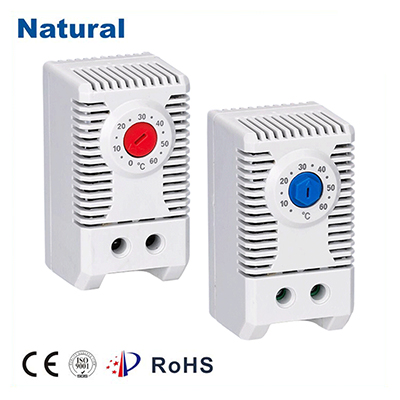
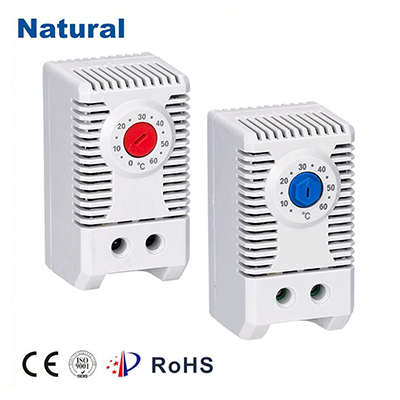
The bimetal thermostat thermostat plays a vital role in modern temperature regulation across various industries and applications. Renowned for its simplicity, reliability, and cost-effectiveness, this device has become an integral component in home appliances, automotive systems, and industrial machinery. In this article, we will delve into the mechanisms behind bimetal thermostats, explore their applications, and discuss potential future trends.
Mechanism of Operation
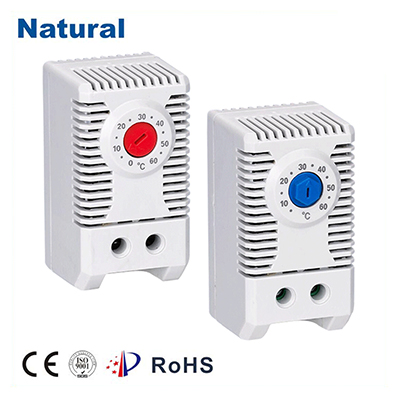
The bimetal thermostat thermostat operates on a fundamental principle: the difference in thermal expansion rates between two metals. Typically constructed from two strips of dissimilar metals—commonly brass and steel or copper and steel—these strips are bonded together. When exposed to temperature changes, each metal expands at a different rate, causing the bimetallic strip to bend or curve. As the temperature rises, the strip will bend towards the metal that expands less. Once a predetermined temperature threshold is reached, the bending action toggles an internal switch within the thermostat. This switch may either close or open a circuit, thereby controlling the power supply to an appliance or system. In the case of heating systems, the bimetal thermostat thermostat may turn off the heating element when the desired temperature is achieved, while in cooling systems, it could start the compressor.