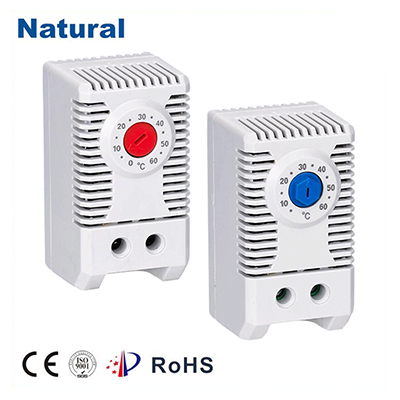
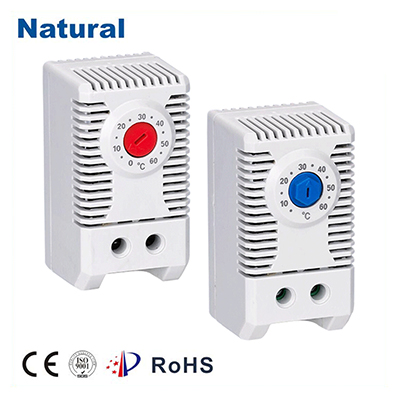
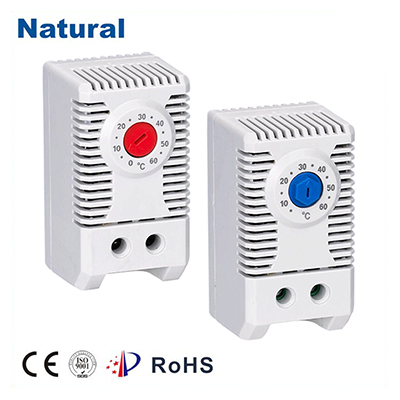
A bimetal thermostat thermostat is a crucial device used in various industries to regulate temperature through a simple yet highly effective mechanism. It operates based on the principle of thermal expansion of two dissimilar metals bonded together, providing an efficient solution for temperature control. In this article, we will explore the working principle, applications, and advantages of the bimetal thermostat thermostat, and why it remains a popular choice in many devices that require precise temperature regulation.
Working Principle of the Bimetal Thermostat Thermostat
The core principle behind the bimetal thermostat thermostat lies in the use of two metals with different coefficients of thermal expansion. These metals are typically steel and copper or other combinations with significantly different rates of expansion when exposed to heat. The two metals are fused together to form a single bimetallic strip. When the temperature of the bimetal strip changes, the different expansion rates of the metals cause the strip to bend. As the temperature increases, the metal with the higher coefficient of expansion expands more than the other, causing the strip to curve. This deformation activates a switch mechanism that can either open or close a circuit, depending on the desired temperature regulation.