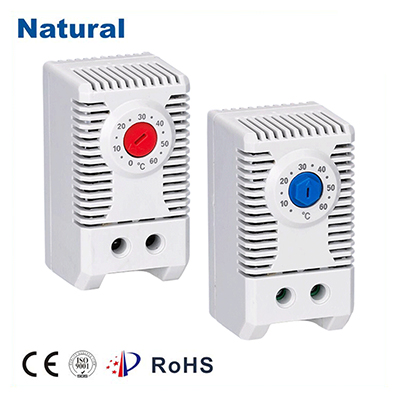
The bimetal thermostat is a fundamental component in various heating and cooling systems, providing an efficient method for temperature regulation. This device operates based on the differing thermal expansion rates of two distinct metals bonded together, allowing it to open or close electrical contacts in response to temperature changes. Understanding the principles, applications, and advantages of bimetal thermostats can provide insight into their essential role in modern temperature control systems.
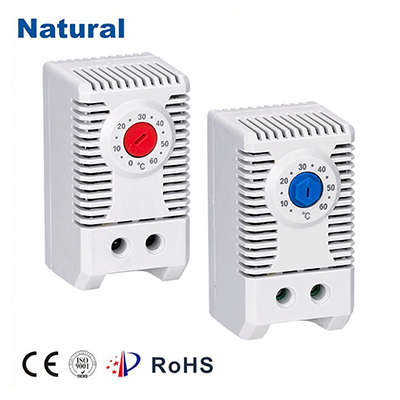
How Bimetal Thermostats Work
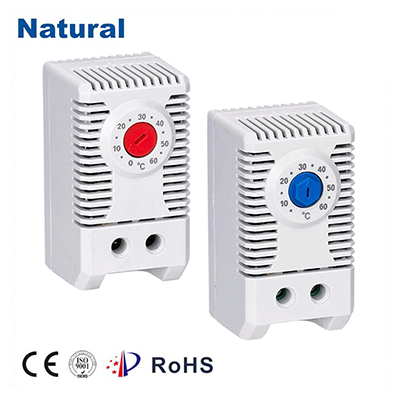
At the core of a bimetal thermostat lies a bimetallic strip composed of two different metals, each with a distinct coefficient of thermal expansion. When the temperature rises, the metal with a higher thermal expansion rate expands more than the other, causing the strip to bend. This bending motion can act on a mechanical mechanism, such as a switch, that either opens or closes an electrical circuit. When the ambient temperature falls back to a predetermined level, the strip returns to its original position, resetting the mechanism. The operation of a bimetal thermostat can be visualized as follows: when the temperature exceeds the setpoint, the bimetal strip bends and activates a contact, cutting off power to a heating element or activating cooling systems. Conversely, when the temperature drops, the strip relaxes, thus restoring power to the heating device. This simple yet effective mechanism allows for automatic temperature control, maintaining an optimal environment in various applications.