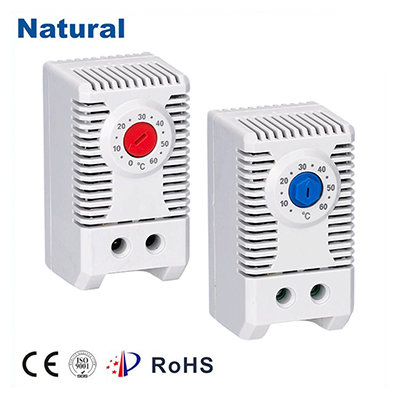
In various industries and household appliances, temperature control is a crucial aspect that ensures efficiency and safety. One of the most reliable and widely used devices for this purpose is the bimetal thermostat. This simple yet effective device relies on the unique properties of two different metals to regulate temperature automatically. In this article, we will delve into the operational principles, applications, advantages, and limitations of the bimetal thermostat.
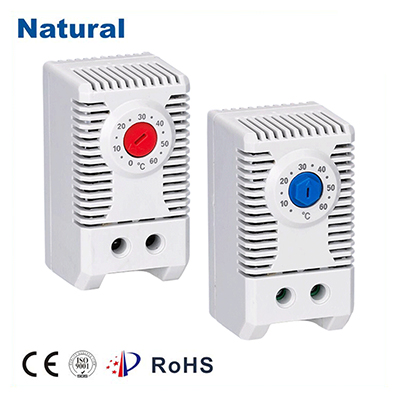
Operational Principles
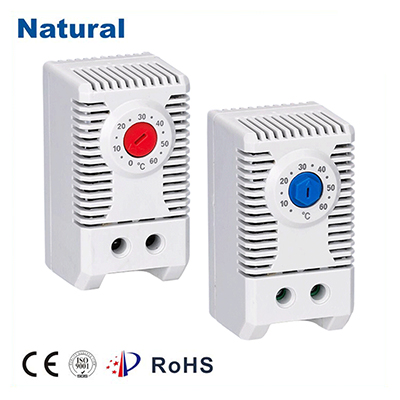
At the heart of a bimetal thermostat are two metal strips, commonly referred to as bimetal strips. These strips are made from two distinct metals, each possessing different coefficients of thermal expansion. When the temperature changes, these metals expand and contract at varying rates. As the temperature increases, the metal with a higher thermal expansion coefficient expands more than the other, causing the bimetal strip to bend. The bending of the bimetal strip results in mechanical movement, which ultimately activates a switch. This switch can either open or close an electrical circuit, thus turning a connected appliance on or off. For instance, in a heating appliance, when the temperature exceeds a predetermined threshold, the bimetal thermostat will bend sufficiently to break the circuit, turning the heater off. Conversely, when the temperature drops, the strip cools, straightening out, and reconnecting the circuit to turn the heater back on.