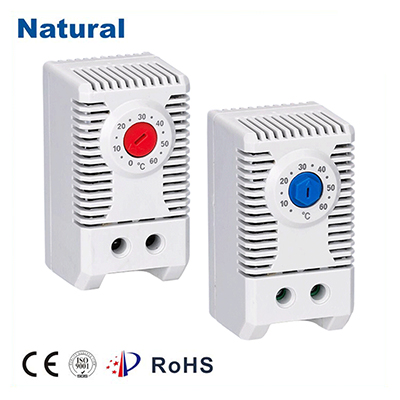
A bimetal thermostat is an essential device in temperature regulation, widely utilized across various industries, including appliances, HVAC (Heating, Ventilation, and Air Conditioning) systems, and automotive applications. Its simplicity and reliability stem from a unique principle involving two different metals, leading to effective temperature control mechanisms. This article delves into the workings, advantages, and applications of bimetal thermostats, highlighting their significance in modern technology.
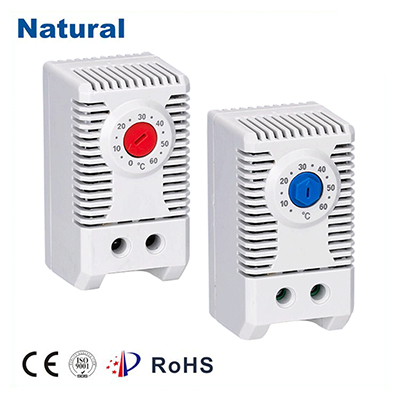
The Working Principle of Bimetal Thermostats
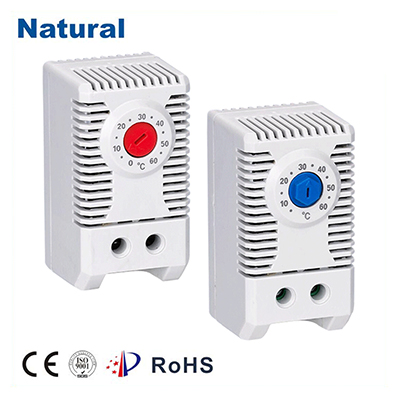
At the heart of a bimetal thermostat lies a simple yet ingenious concept: a bimetallic strip composed of two metals with different thermal expansion coefficients, often copper and steel or aluminum and copper. As temperature changes, each metal expands or contracts at its own rate, causing the bimetallic strip to bend. When the temperature rises, one metal expands more than the other, resulting in a curvature that can either open or close an electrical contact. Conversely, when the temperature drops, the strip bends in the opposite direction, altering the state of the switch again. This mechanical movement, triggered by temperature changes, allows for establishing or interrupting an electrical circuit, subsequently controlling the functioning of connected devices.