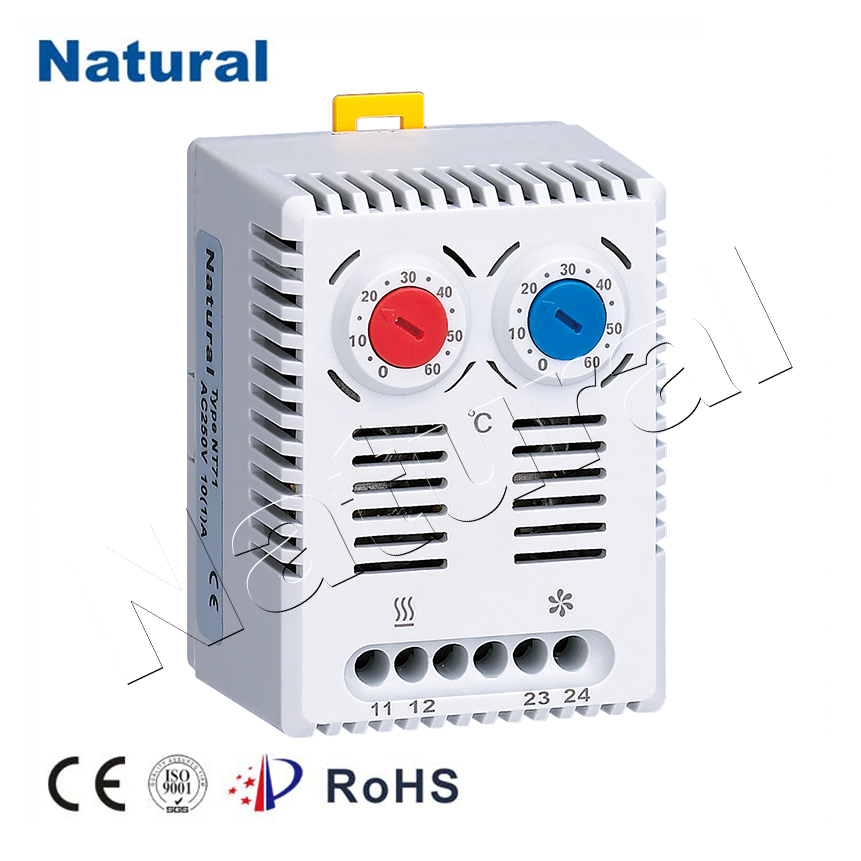
In the realm of modern home and industrial heating and cooling systems, the concept of dual thermostats has gained significant attention for its ability to offer enhanced control and energy efficiency. A dual thermostat system, which involves the use of two separate thermostats working in tandem, can be particularly beneficial for large homes, multi-zone environments, or commercial spaces that require different temperature settings in various areas. This article explores the functionality, benefits, and potential applications of dual thermostat systems, offering a comprehensive look at why this technology is becoming increasingly popular.
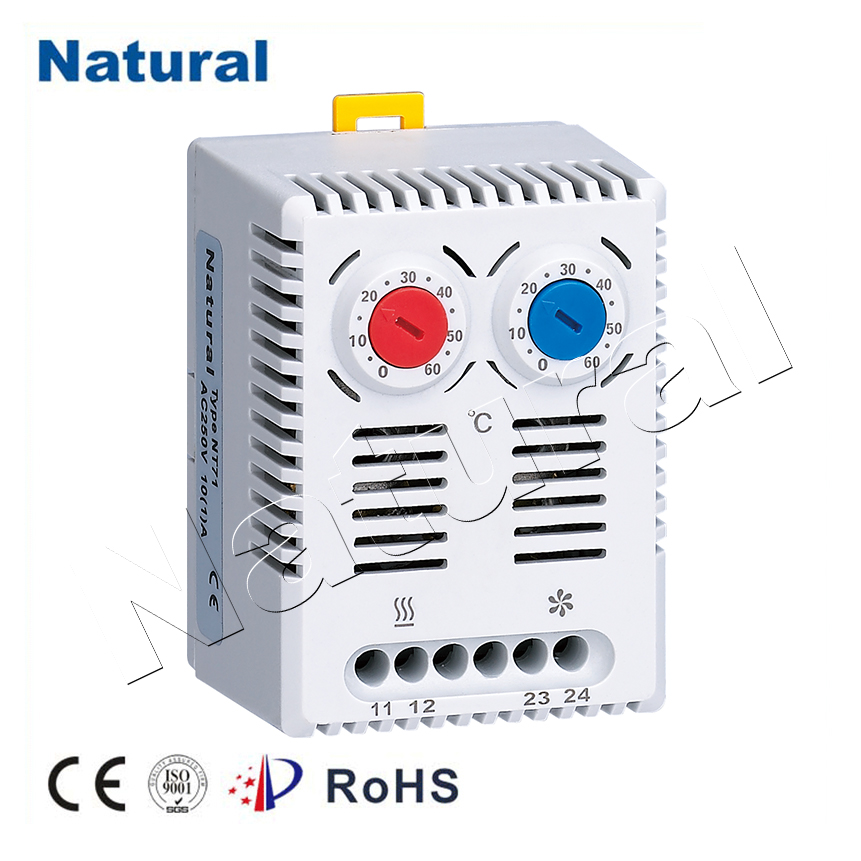
What is a Dual Thermostat?
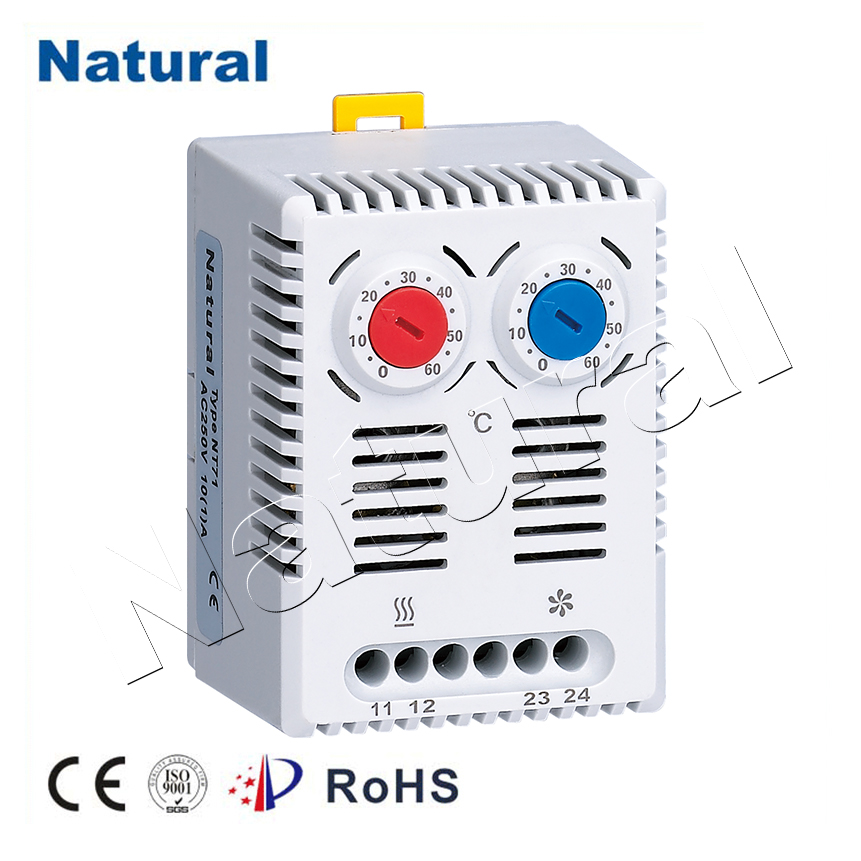
A dual thermostat refers to the integration of two separate thermostats within a heating, ventilation, and air conditioning (HVAC) system, each of which controls different zones or areas within a building. These zones may vary in size and purpose, such as a living room, kitchen, or bedroom in a residential home, or different departments or floors in a commercial setting. The thermostats communicate with the HVAC system to adjust the temperature within each zone, ensuring optimal comfort and efficiency. The main advantage of using dual thermostats is the ability to manage temperature differences across various spaces. Instead of relying on a single thermostat to regulate the entire building’s temperature, a dual system provides the flexibility to fine-tune temperatures to individual zones, leading to better comfort for occupants and energy savings.