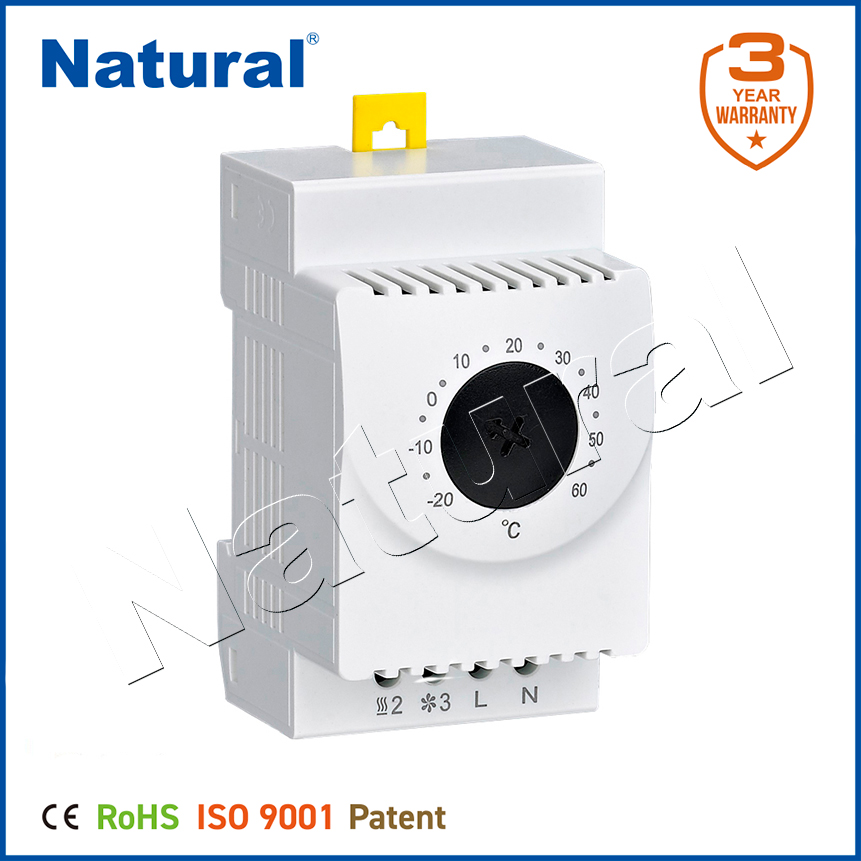
An Electronic Thermostat is an advanced temperature control device widely used in residential, commercial, and industrial settings. It enables users to maintain a comfortable environment by regulating heating, ventilation, and air conditioning (HVAC) systems with high accuracy and efficiency. Unlike traditional mechanical thermostats, electronic thermostats use modern sensors and digital technology to provide precise temperature management, energy savings, and added convenience. This article explores the core features and advantages of electronic thermostats, highlighting their role in smart home systems and their potential to improve energy efficiency.
Precision Temperature Control
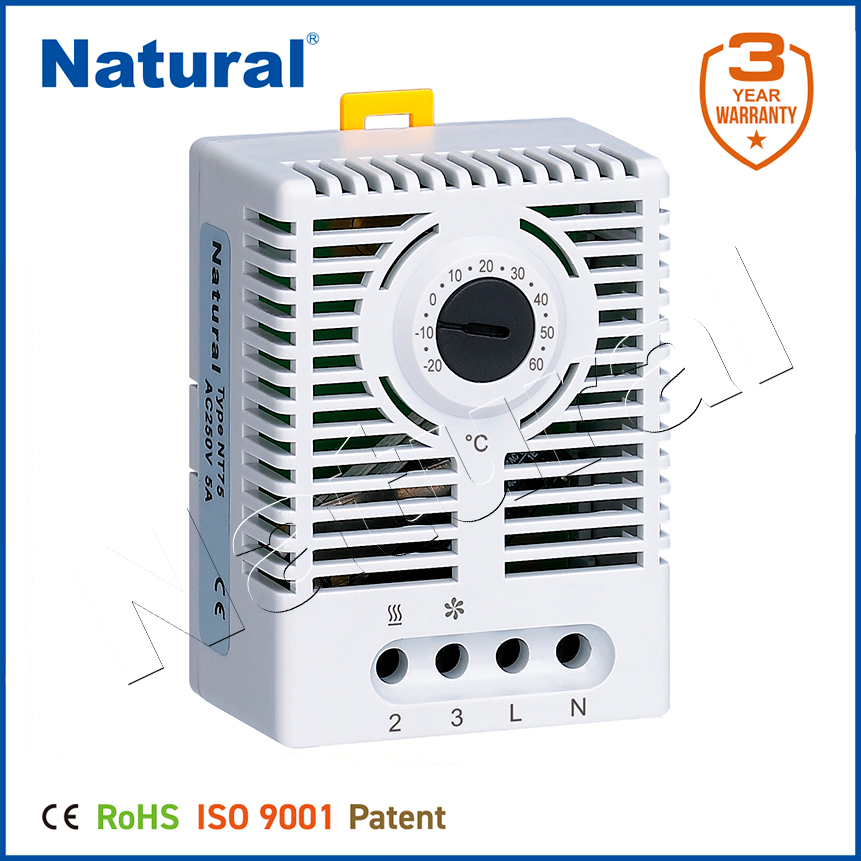
One of the main advantages of electronic thermostats is their ability to offer precise temperature control. Mechanical thermostats rely on bimetallic strips or other simple mechanical devices, which can result in fluctuations of several degrees. In contrast, electronic thermostats use advanced temperature sensors to measure the ambient temperature with high accuracy. This allows them to adjust the HVAC system more precisely, reducing temperature swings and maintaining a stable, comfortable indoor environment. The result is better comfort and improved energy efficiency. Programmability and Flexibility