Stainless steel electric single-seat regulating valves are essential components in many industrial systems where precise control over fluid flow is required. These valves combine the durability and corrosion resistance of stainless steel with the automation advantages of electric actuation. This article explores the key features, advantages, applications, and maintenance considerations of stainless steel electric single-seat regulating valves.
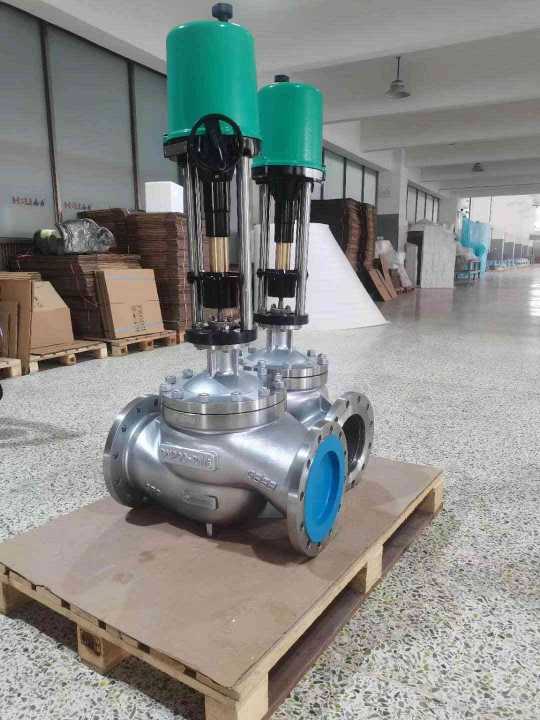
1. Overview of Stainless Steel Electric Single Seat Regulating Valve A stainless steel electric single-seat regulating valve is designed for controlling the flow of liquids and gases in industrial processes. The term “single-seat” refers to the valve design, which utilizes a single sealing surface to control fluid passage. The “electric” component refers to the valve’s actuator, which is powered by electricity, enabling precise control over the valve’s opening and closing without manual intervention. The use of stainless steel in the construction of these valves ensures they are highly resistant to corrosion, making them suitable for use in a wide range of environments, including those that involve aggressive chemicals, high temperatures, or other harsh conditions.