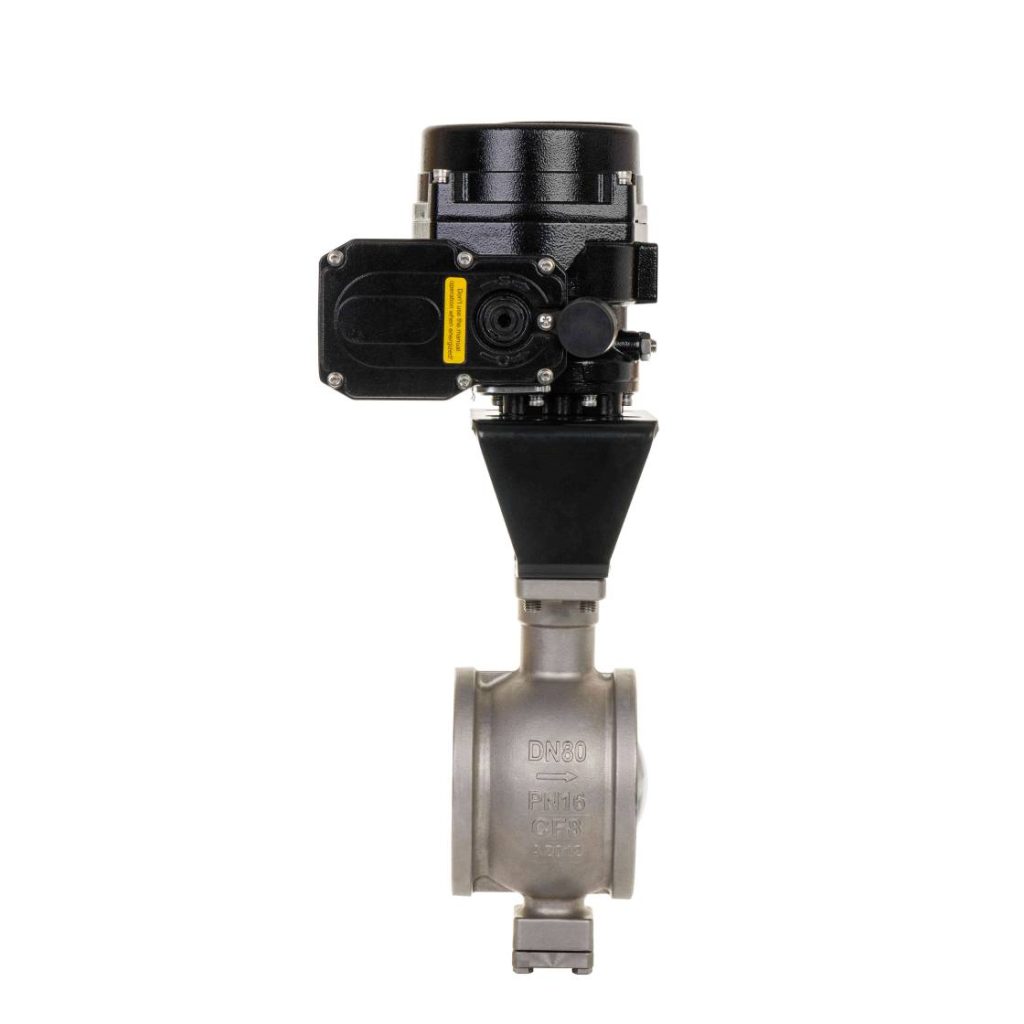
Stainless steel Electric V-ball valves are essential components in industrial automation, offering precise control over fluid flow within pipelines. These valves combine the durability of stainless steel with the efficiency of electric actuation, making them suitable for a wide range of demanding applications. In this article, we will explore the functionality, advantages, and various uses of Stainless Steel Electric V-ball valves.
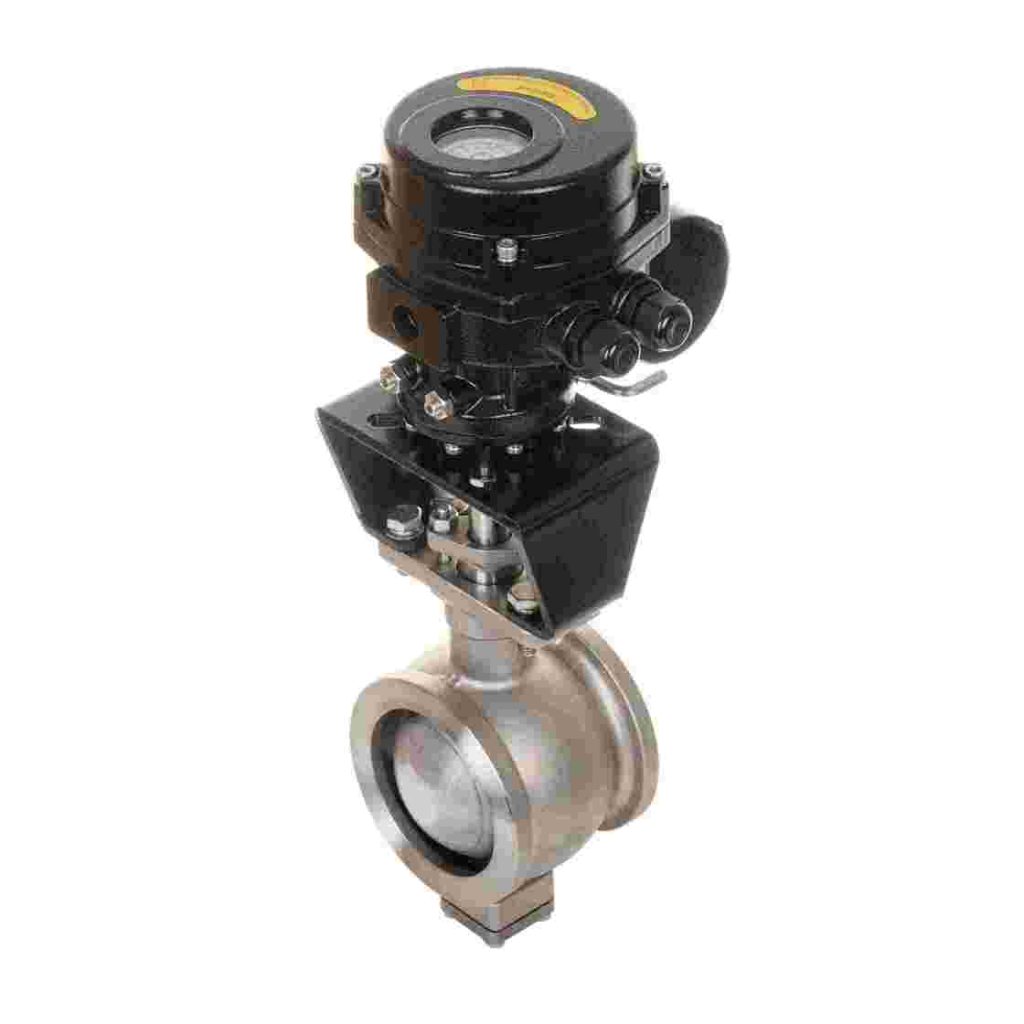
What is a Stainless Steel Electric V-ball Valve?
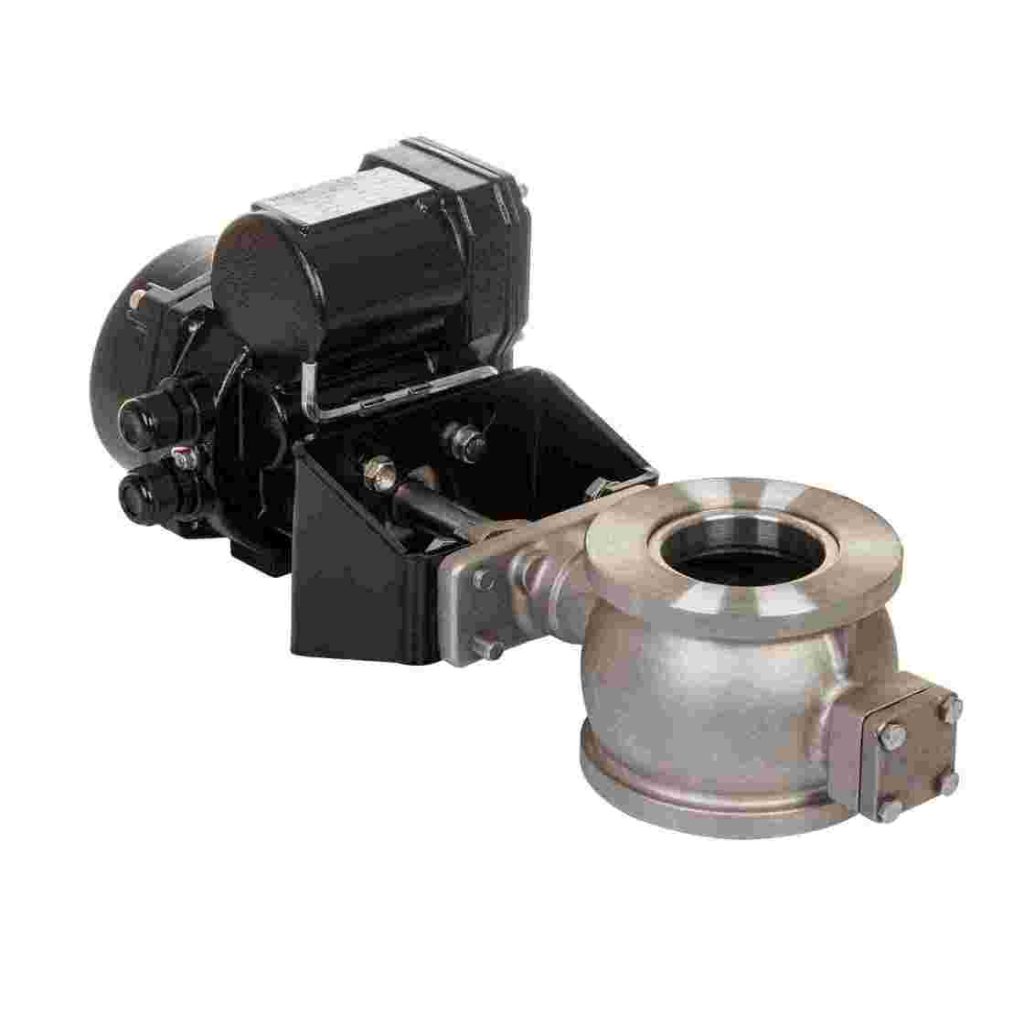
A Stainless steel Electric V-ball valve is a type of valve used to regulate the flow of liquids, gases, or slurries in piping systems. The “V” shape of the valve’s ball is the key feature that differentiates it from conventional ball valves. This specialized design allows for more precise control of flow rates, making the valve particularly valuable in applications requiring fine adjustments.
The valve is constructed from stainless steel, ensuring corrosion resistance and durability, even in aggressive or high-temperature environments. The “Electric” part of the name refers to the electric actuator that controls the valve’s operation. Instead of using manual or pneumatic methods to operate the valve, an electric actuator adjusts the valve’s opening in response to signals from a control system.