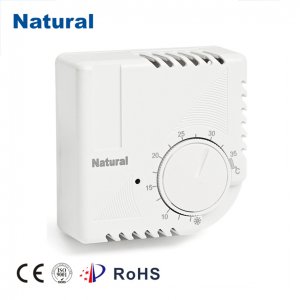
In today’s technologically advanced world, managing temperature effectively is crucial across various industries and households. One of the key devices that aid in temperature regulation is the adjustable temperature control switch. This device allows users to set specific temperature thresholds for electronic devices or systems, ensuring optimal performance and energy efficiency.
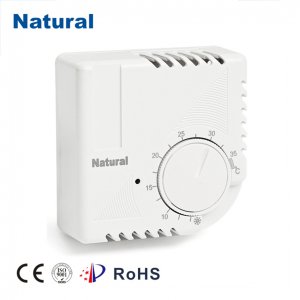
How Does an Adjustable Temperature Control Switch Work?
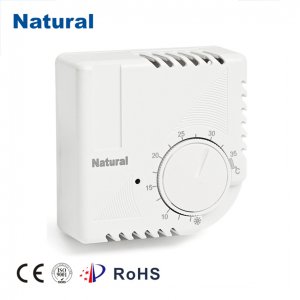
The adjustable temperature control switch operates through a relatively straightforward mechanism. At its core, the switch is equipped with a temperature sensor, which can be a thermistor (NTC or PTC) or a thermocouple. These sensors continuously monitor the ambient temperature. Users can adjust the desired temperature setting using a manual knob or digital interface, depending on the specific design of the switch. Once the desired temperature is set, the control circuit within the switch continuously compares the real-time temperature readings from the sensor against the preset target temperature. If the ambient temperature surpasses the set point, the switch will activate—interrupting the power to the connected device or system. Conversely, when the temperature drops below the threshold, the switch will reactivate the power, allowing the device to operate again.