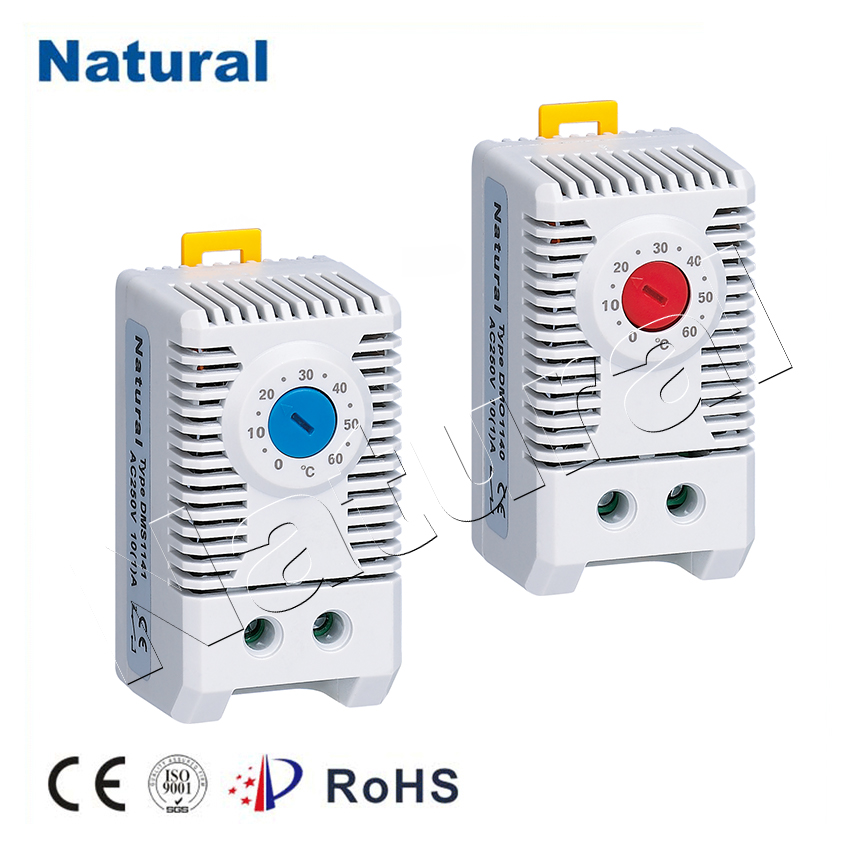
A 24V thermostat is an essential component of heating, ventilation, and air conditioning (HVAC) systems in homes and businesses. Operating at a relatively low voltage, this device plays a pivotal role in maintaining comfortable temperatures by regulating HVAC equipment. This article explores the basics of 24V thermostats, how they function, and their benefits for modern climate control systems.
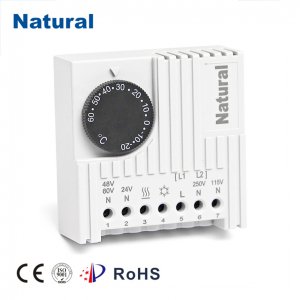
What Is a 24V Thermostat?
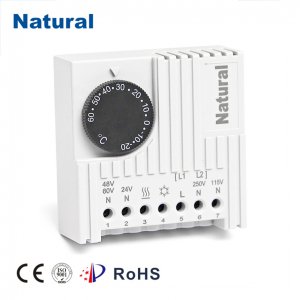
A 24V thermostat, as the name suggests, operates on a 24-volt power supply, which is typically supplied through a transformer that converts the standard household voltage of 120V or 240V to a lower, safer 24V. These thermostats are commonly used to control heating, cooling, and ventilation equipment, including central air conditioning units, furnaces, heat pumps, and other climate control devices. In a traditional HVAC system, the thermostat detects the current temperature and compares it to the desired temperature set by the user. If there is a discrepancy, the thermostat sends a signal to the HVAC system to either turn on or off, depending on whether the room is too hot or too cold. This basic function helps to maintain a stable indoor environment, which is especially important in residential and commercial spaces.