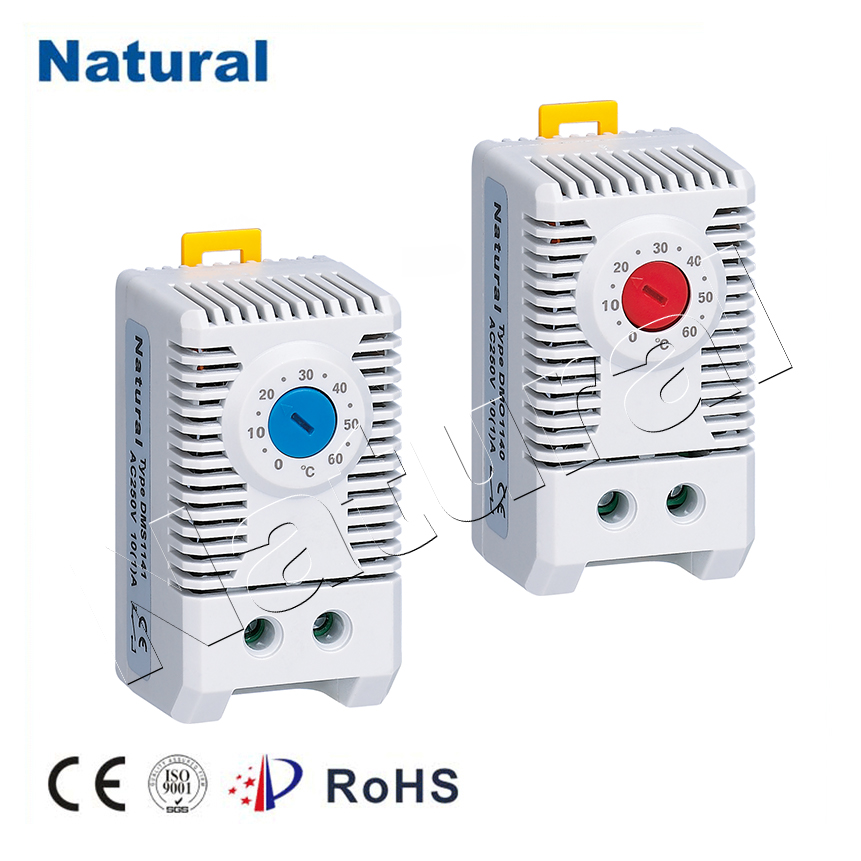
A 24V thermostat is a fundamental device used in many modern heating, ventilation, and air conditioning (HVAC) systems. It plays a crucial role in regulating indoor temperature by controlling the operation of heating and cooling units. This article will explore the working mechanism, advantages, and common uses of a 24V thermostat, shedding light on why it’s so widely used in residential and commercial applications.
What is a 24V Thermostat?
A 24V thermostat is an electronic temperature control device that operates on 24 volts of electricity, a relatively low voltage that is standard in many HVAC systems. The 24V system is designed for safety, energy efficiency, and compatibility with various heating and cooling systems, including furnaces, air conditioners, and heat pumps. The thermostat senses the room temperature and compares it with the temperature setting chosen by the user. If the current room temperature deviates from the set point, the thermostat sends signals to the HVAC system to either heat or cool the space until the desired temperature is reached.