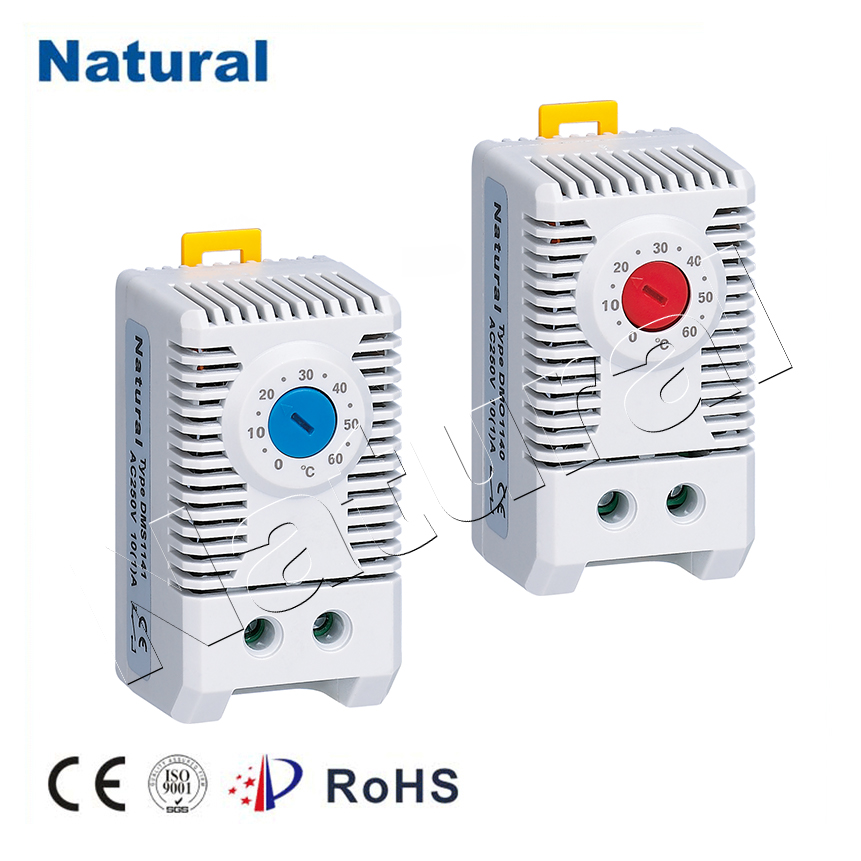
A 24V DC thermostat is an essential component in modern heating, ventilation, and air conditioning (HVAC) systems, providing a seamless interface between temperature regulation and electronic control systems. Unlike traditional mechanical thermostats, 24V DC thermostats use low voltage DC power to operate, offering precise control and energy efficiency. This article explores the workings, benefits, applications, and considerations of using a 24V DC thermostat in various settings.
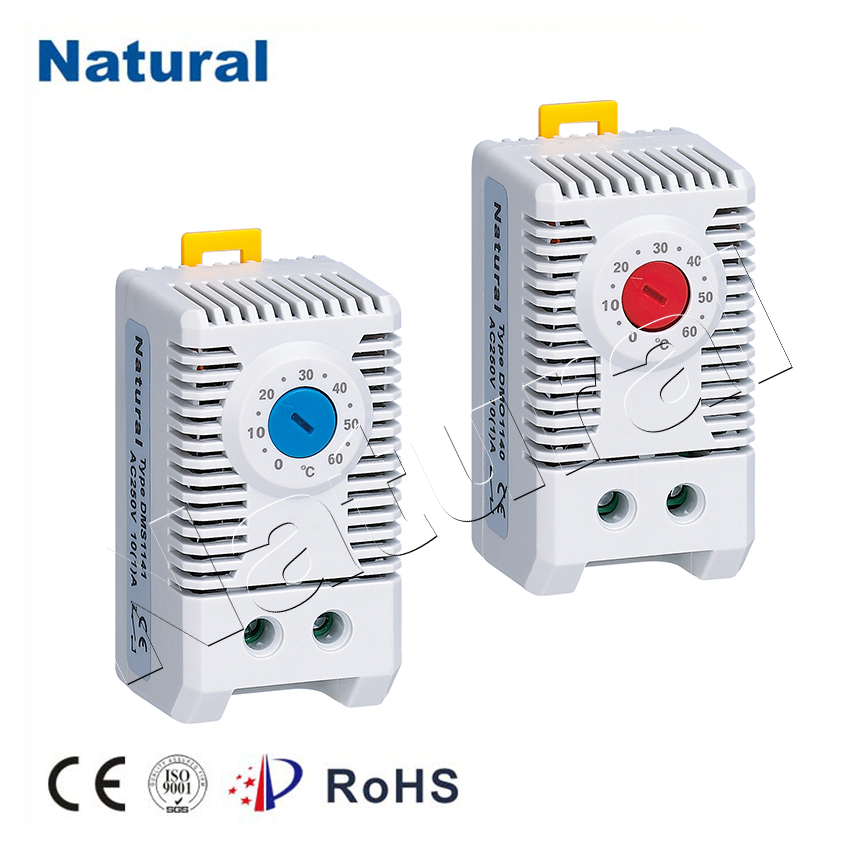
What is a 24V DC Thermostat?
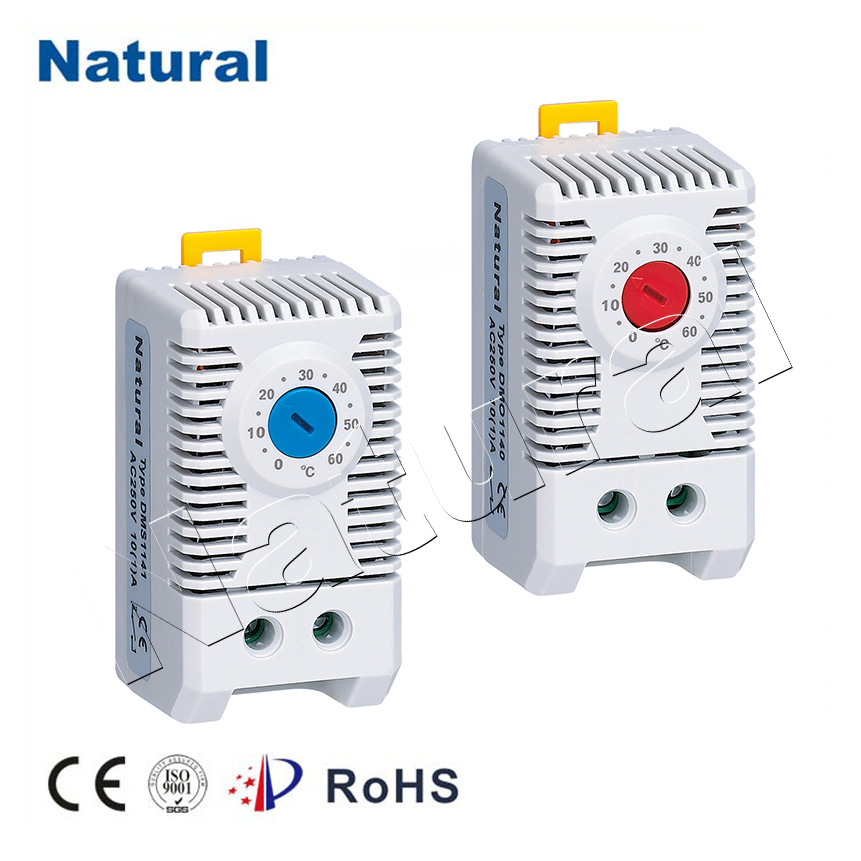
A thermostat is a device that controls the temperature of a system or space by regulating heating and cooling processes. The 24V DC thermostat operates using a 24-volt direct current (DC) power supply, which is commonly found in residential and commercial HVAC systems. It is used to control heating, cooling, and ventilation equipment by signaling when to turn on or off, depending on the ambient temperature. The 24V DC system operates at a lower voltage than many other systems, which makes it safer and more energy-efficient. These thermostats are often connected to HVAC systems, including furnaces, heat pumps, and air conditioning units. They receive inputs from temperature sensors and relay signals to the system’s control board, which then adjusts the operation of heating or cooling elements.