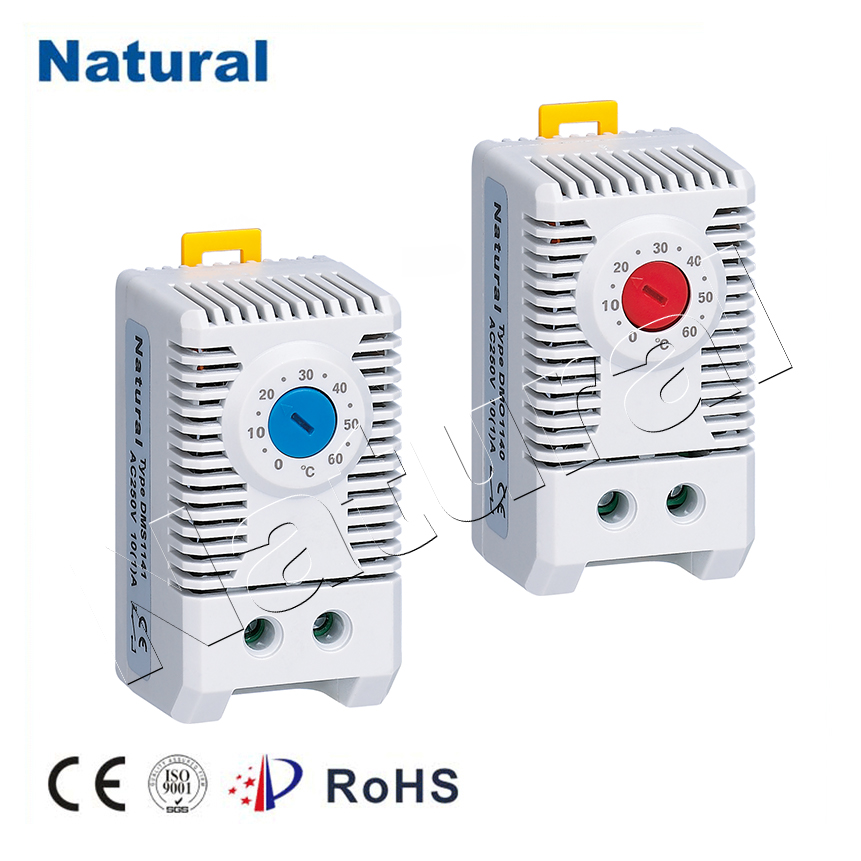
A 24V DC thermostat is a crucial component in many modern temperature control systems, playing an essential role in regulating the temperature in residential, commercial, and industrial environments. With its widespread use in HVAC systems, underfloor heating, air conditioning units, and other temperature-sensitive equipment, understanding the key features, applications, and advantages of a 24V DC thermostat is essential for anyone looking to maintain optimal temperature conditions. This article delves into the working principle, benefits, and common uses of these thermostats.
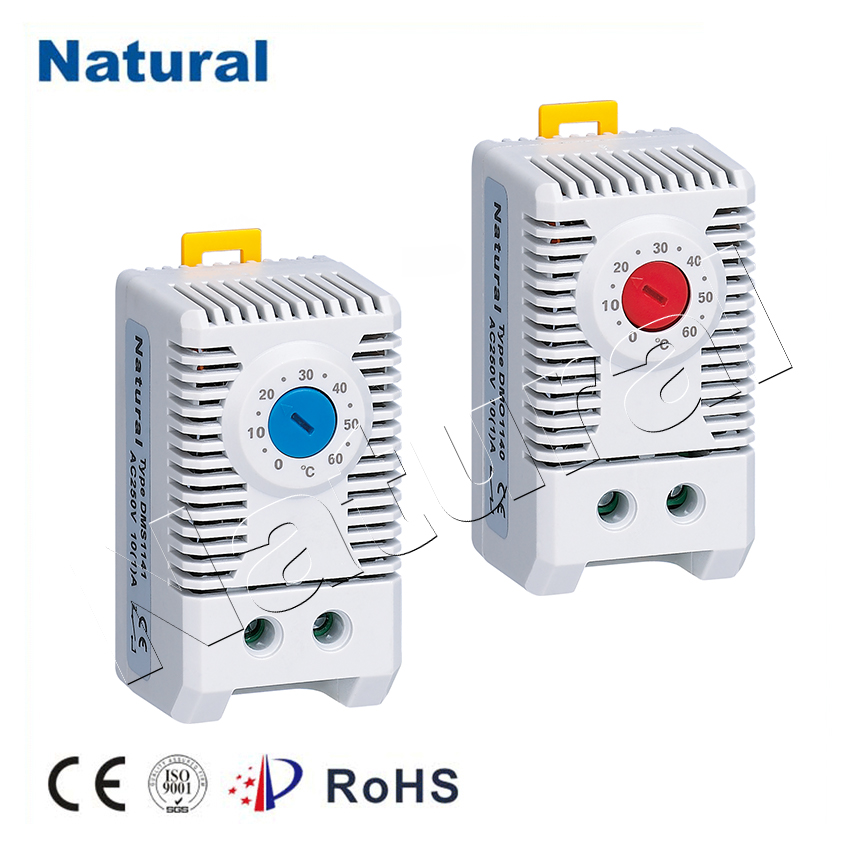
What is a 24V DC Thermostat?
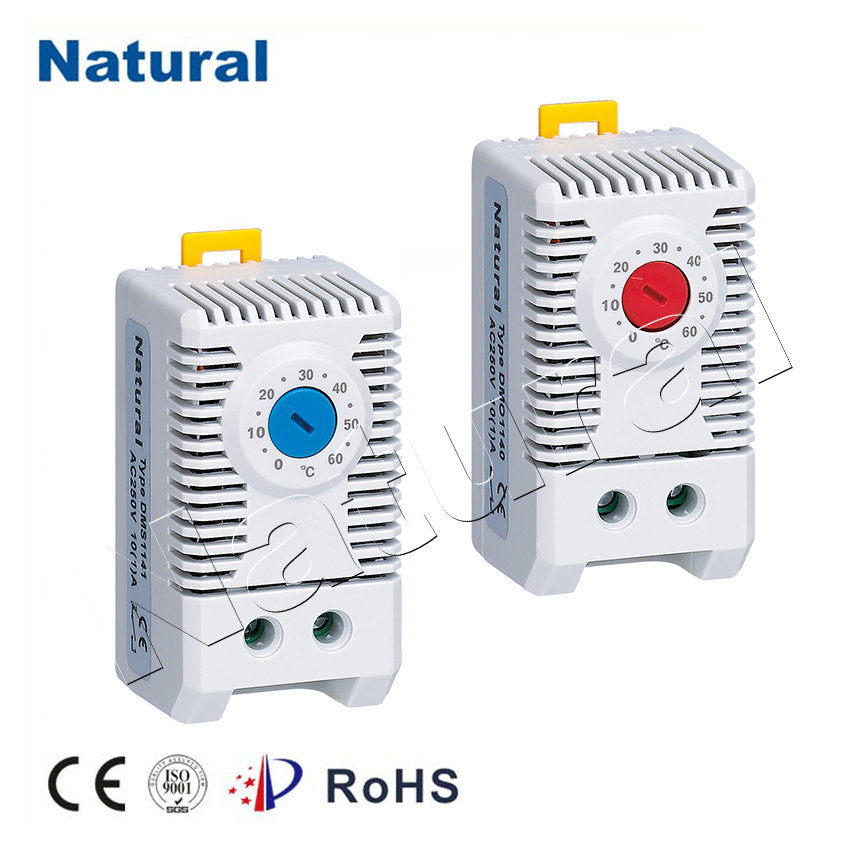
A 24V DC thermostat is a device designed to maintain a constant temperature by regulating the heating or cooling systems in response to changes in the environment. It operates on a 24-volt direct current (DC) power supply, which is typically provided by a transformer or a battery. The thermostat detects the room temperature using a built-in sensor, compares it to the preset target temperature, and sends electrical signals to a heating or cooling unit to adjust the room temperature accordingly. The 24V DC thermostat is often preferred in residential and commercial applications due to its energy efficiency, ease of installation, and enhanced safety. Unlike thermostats that require higher voltage (AC), the 24V DC version operates at a safer voltage level, reducing the risk of electrical hazards.