A 220VAC Power Relay is an essential electrical component used in a wide range of applications to control high-voltage circuits through a low-voltage signal. It acts as a bridge between low-power electronic circuits and high-power electrical systems, making it a crucial element in the safe and efficient operation of household appliances, industrial machines, and automation systems. In this article, we will explore the working principle, applications, and considerations when using a 220VAC Power Relay.
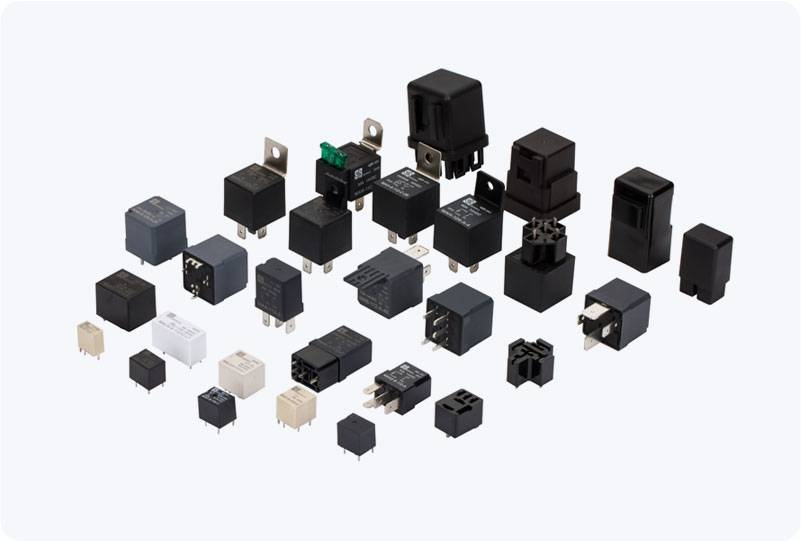
What is a 220VAC Power Relay? A relay is an electrically operated switch that allows a low-power circuit to control a high-power circuit. In the case of a 220VAC Power Relay, the relay is designed specifically to control alternating current (AC) circuits operating at 220 volts. It consists of an electromagnet, a set of contacts, and a mechanical armature. The electromagnet is energized by a low-voltage current (typically 12V or 24V DC), which creates a magnetic field that moves the armature and opens or closes the contacts. The 220VAC Power Relay can have different types of contacts, including normally open (NO), normally closed (NC), and double-pole double-throw (DPDT). The relay’s contacts are designed to handle the high current and voltage required for 220VAC circuits. When the low-voltage coil is energized, it activates the relay, allowing or interrupting the flow of current in the high-voltage circuit.