Stainless steel pneumatic butterfly valves are essential components in various industrial processes, playing a crucial role in controlling the flow of fluids within pipelines. Their unique design, efficient operation, and robust material make them a popular choice across multiple sectors such as chemical processing, water treatment, pharmaceuticals, and food and beverage industries. This article delves into the characteristics, working principles, advantages, and applications of stainless steel pneumatic butterfly valves.
Design and Construction
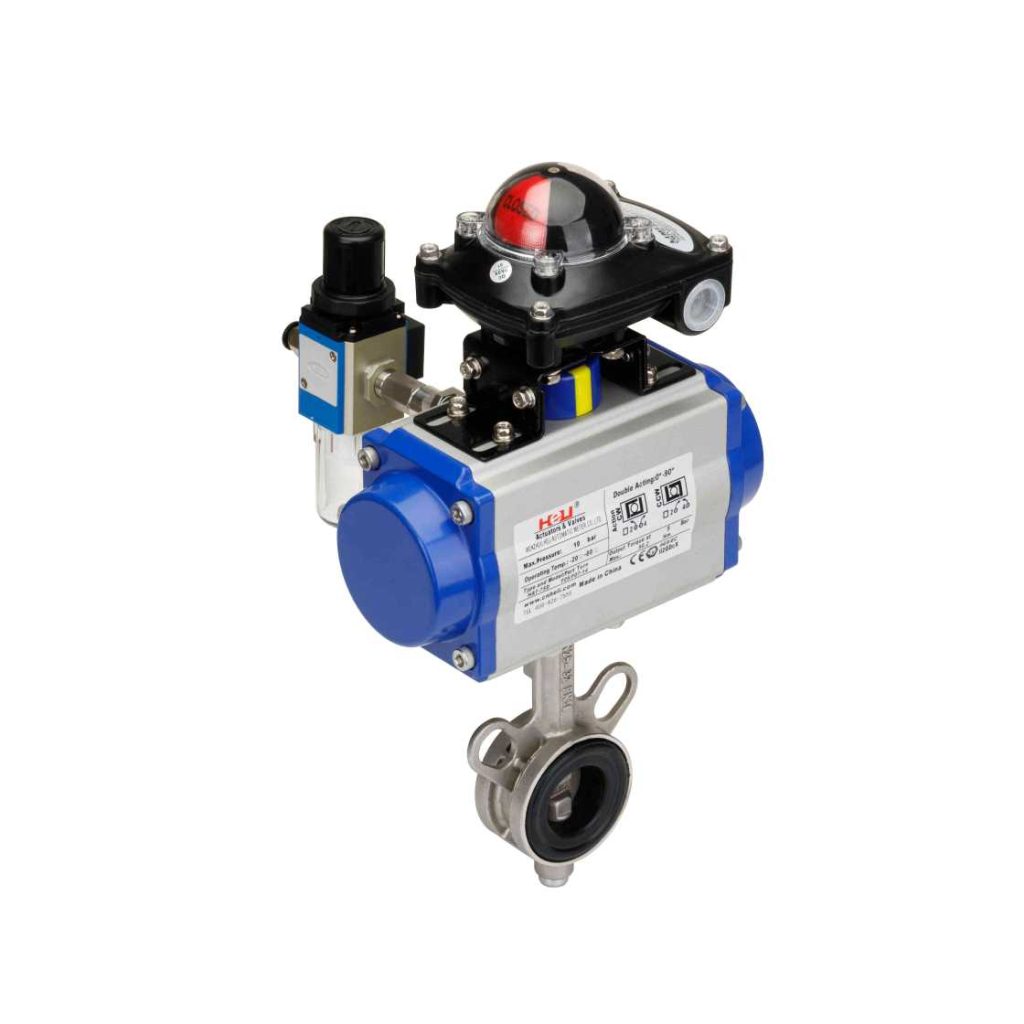
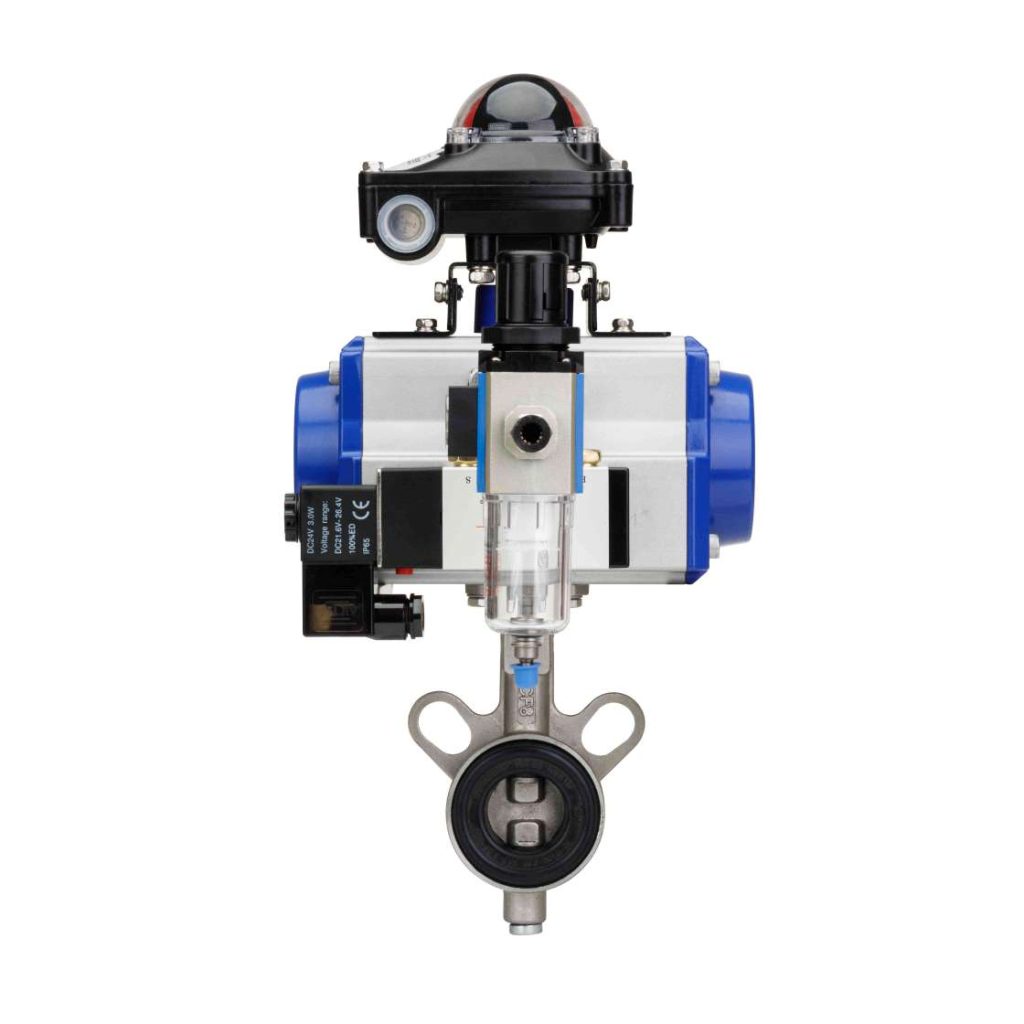
A stainless steel pneumatic butterfly valve typically consists of several key parts: the valve body, disc (or butterfly plate), stem, actuator, and sealing elements. The valve body is usually made from stainless steel grades such as 304 or 316, which are known for their excellent corrosion resistance and durability. The disc, which is the heart of the valve, rotates around a central axis to regulate the flow of the medium. The stem connects the disc to the actuator, translating the actuator’s movements into rotational motion. The sealing components, often made from materials like EPDM or PTFE, ensure a tight closure, preventing any leakage when the valve is in the closed position. This combination of materials and design leads to a reliable and efficient valve capable of withstanding harsh operating conditions.
