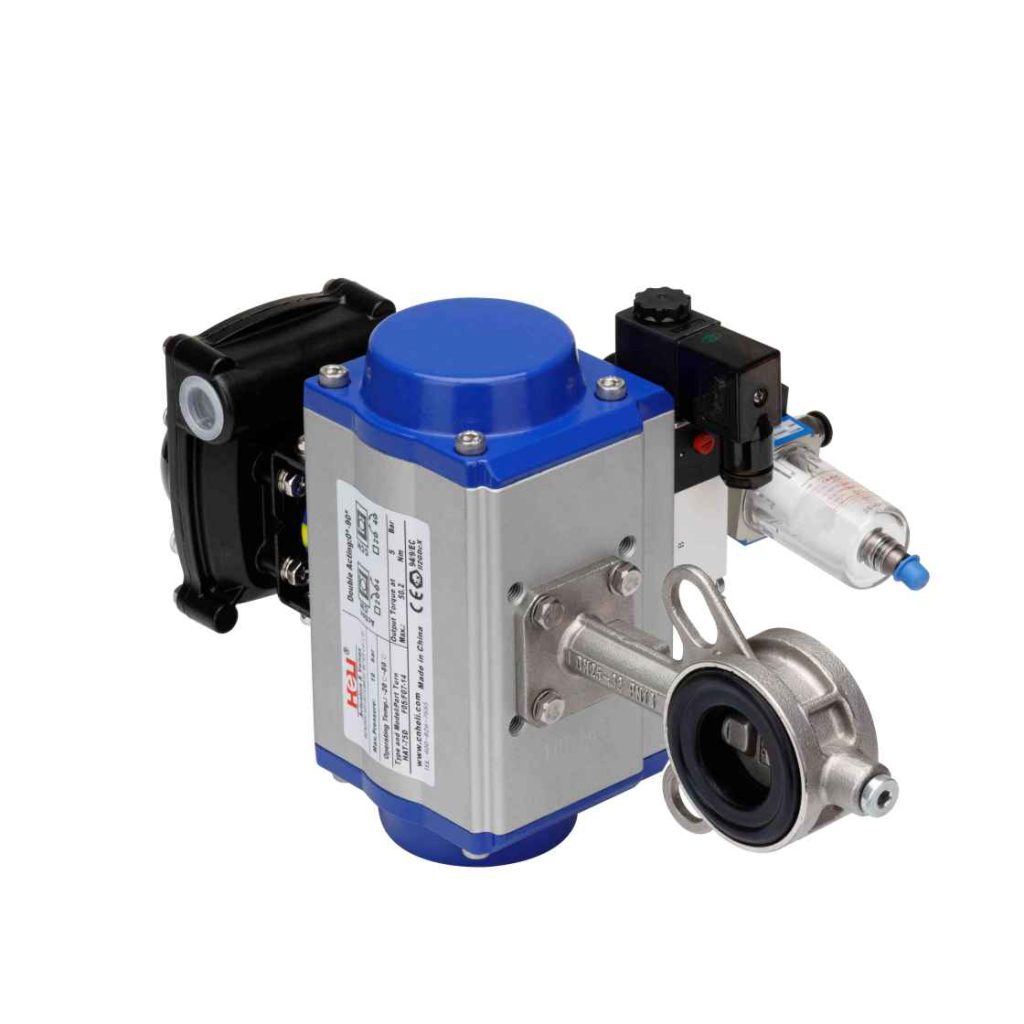
Pneumatic butterfly valves are essential components used in various industries to control the flow of fluids, gases, and other media within pipelines. Their design, which incorporates a rotating disc to regulate the flow, makes them ideal for applications requiring reliable, efficient, and space-saving solutions. This article delves into the working principle, benefits, and typical applications of pneumatic butterfly valves, providing insights into why they are favored in industries like water treatment, oil and gas, and chemical processing.
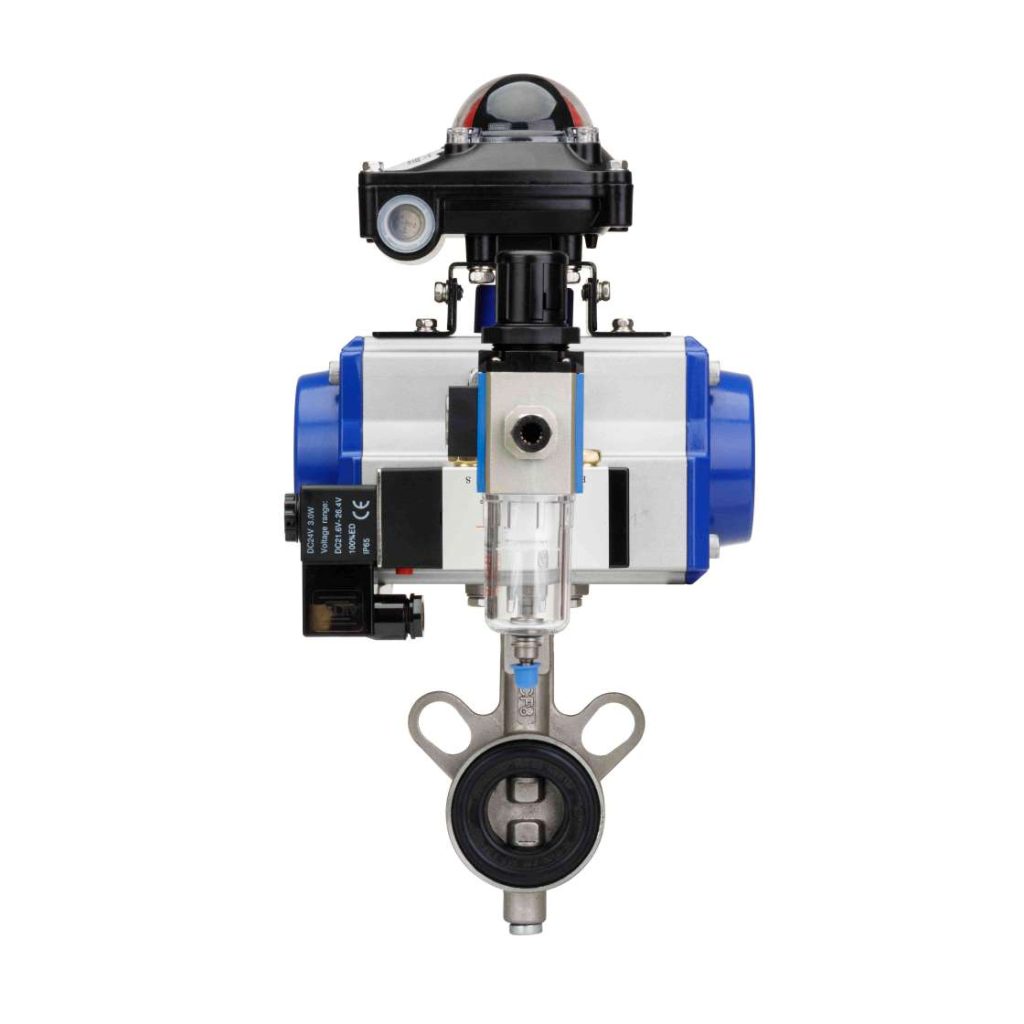
Working Principle of Pneumatic Butterfly Valves
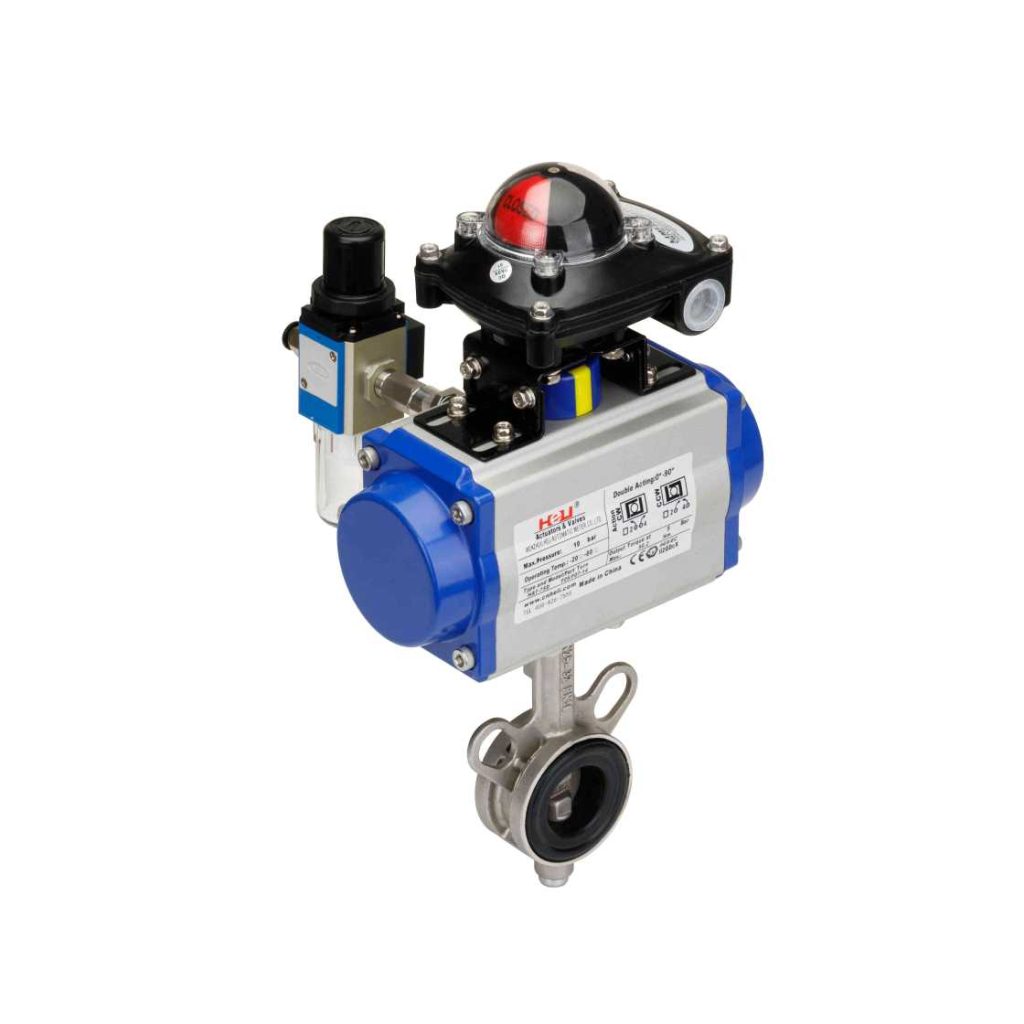
A pneumatic butterfly valve consists of a valve body, a rotating disc (or vane), and a pneumatic actuator that controls the movement of the disc. The valve operates by rotating the disc, which is mounted on a shaft, to open or close the flow path. When the actuator is supplied with air pressure, it moves the shaft, causing the disc to rotate either fully or partially. This rotating motion is what regulates the flow of the fluid or gas in the pipeline. The valve’s design allows it to control the flow with precision, offering both full-flow and throttling capabilities. In the fully open position, the disc is parallel to the pipeline, allowing the maximum flow of the medium. When the valve is closed, the disc rotates 90 degrees to obstruct the flow entirely. The ability to adjust the flow makes pneumatic butterfly valves versatile and efficient in a variety of control scenarios.