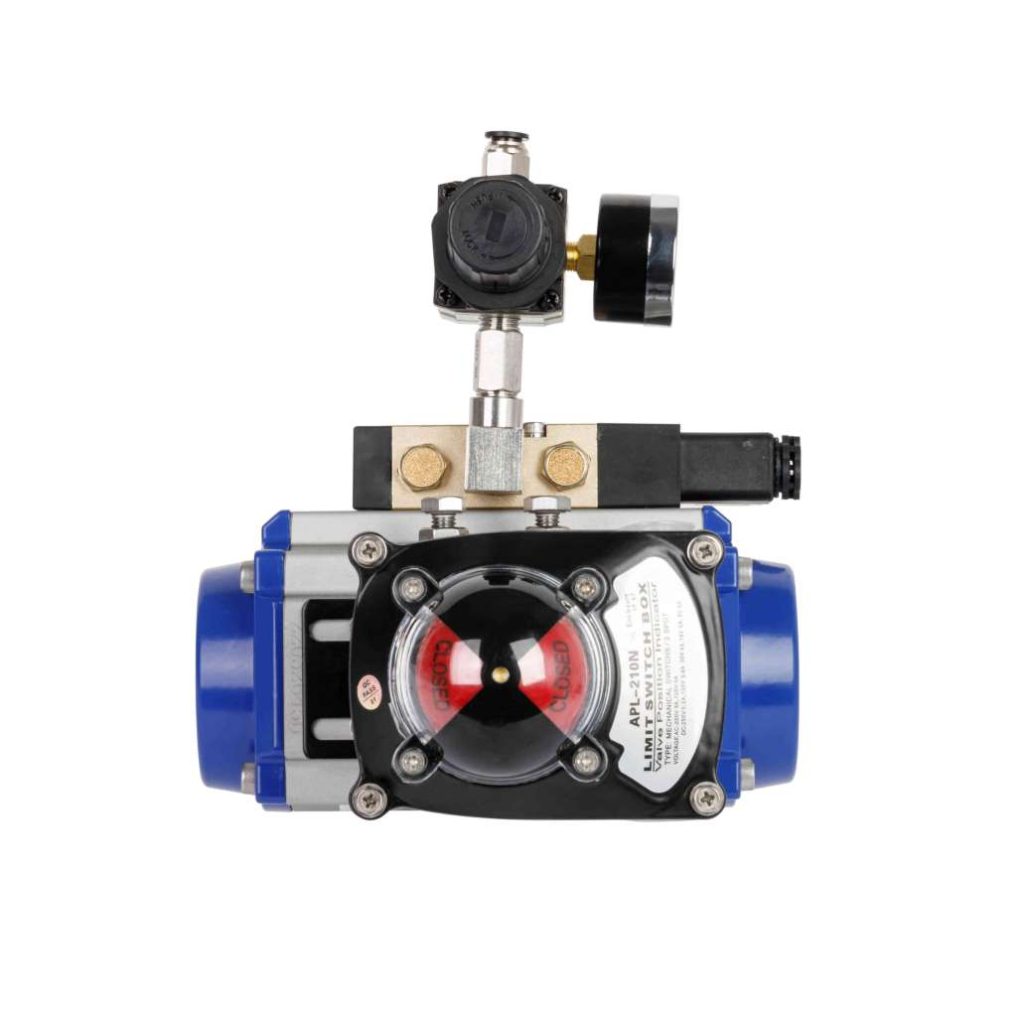
Pneumatic actuators play a crucial role in modern automation and control systems. They are widely used in various industries to convert compressed air energy into mechanical motion, which drives a wide range of processes and operations. This article will explore the fundamentals of pneumatic actuators, their working principles, common applications, and the advantages they offer in different industrial settings.
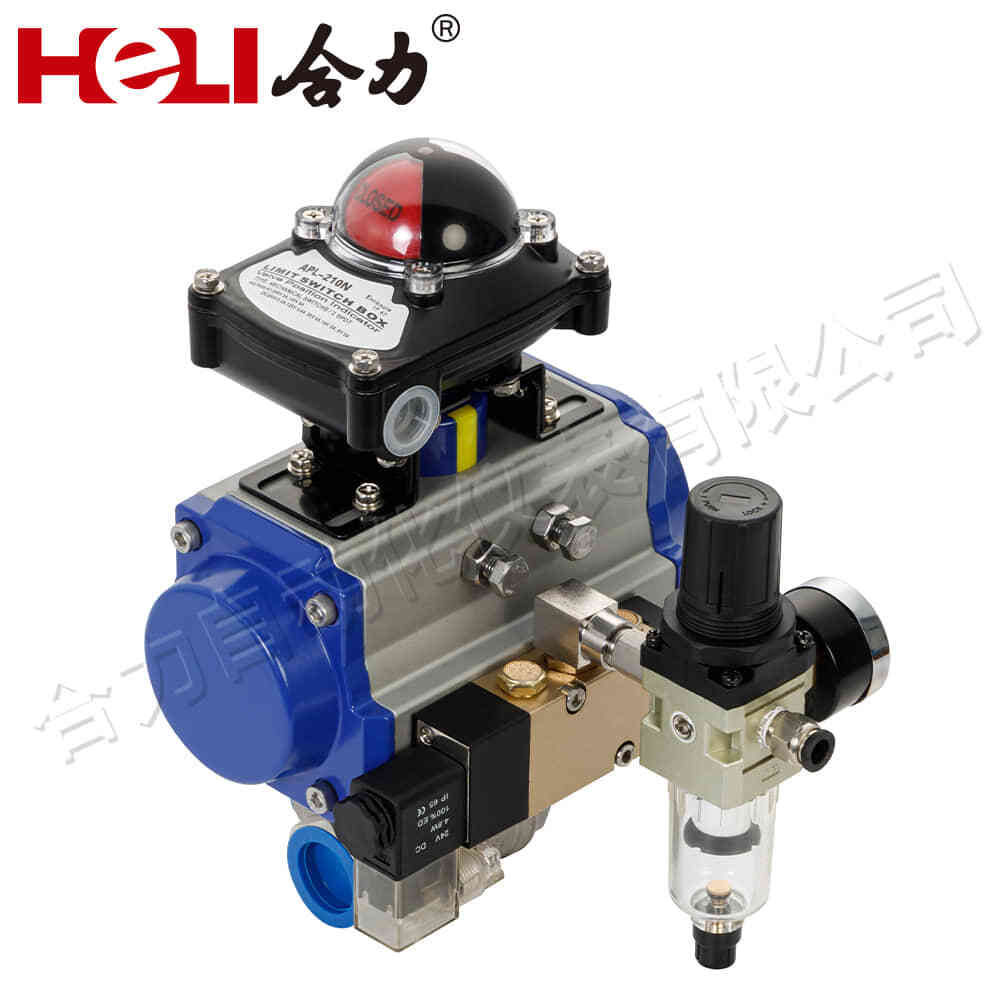
What is a Pneumatic Actuator?
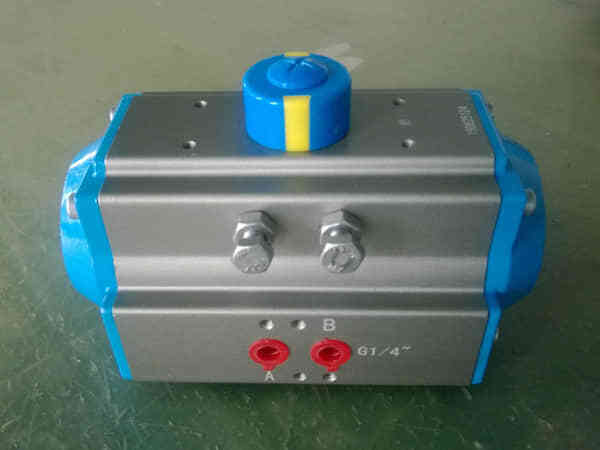
A pneumatic actuator is a device that uses compressed air to produce mechanical motion. This motion can be linear or rotary, depending on the actuator type and design. Pneumatic actuators are commonly used in automation systems to control valves, dampers, and other mechanical components, allowing precise control of processes and equipment. They are reliable, efficient, and capable of handling large forces in demanding environments. Principles of Operation The basic working principle of a pneumatic actuator involves the conversion of compressed air energy into mechanical motion. The actuator consists of a cylinder, a piston, and a series of ports that allow compressed air to enter and exit the cylinder. When compressed air is introduced into one side of the piston, it pushes the piston, creating linear motion. The motion generated can then be used to move or control mechanical components such as valves, flaps, and other devices.