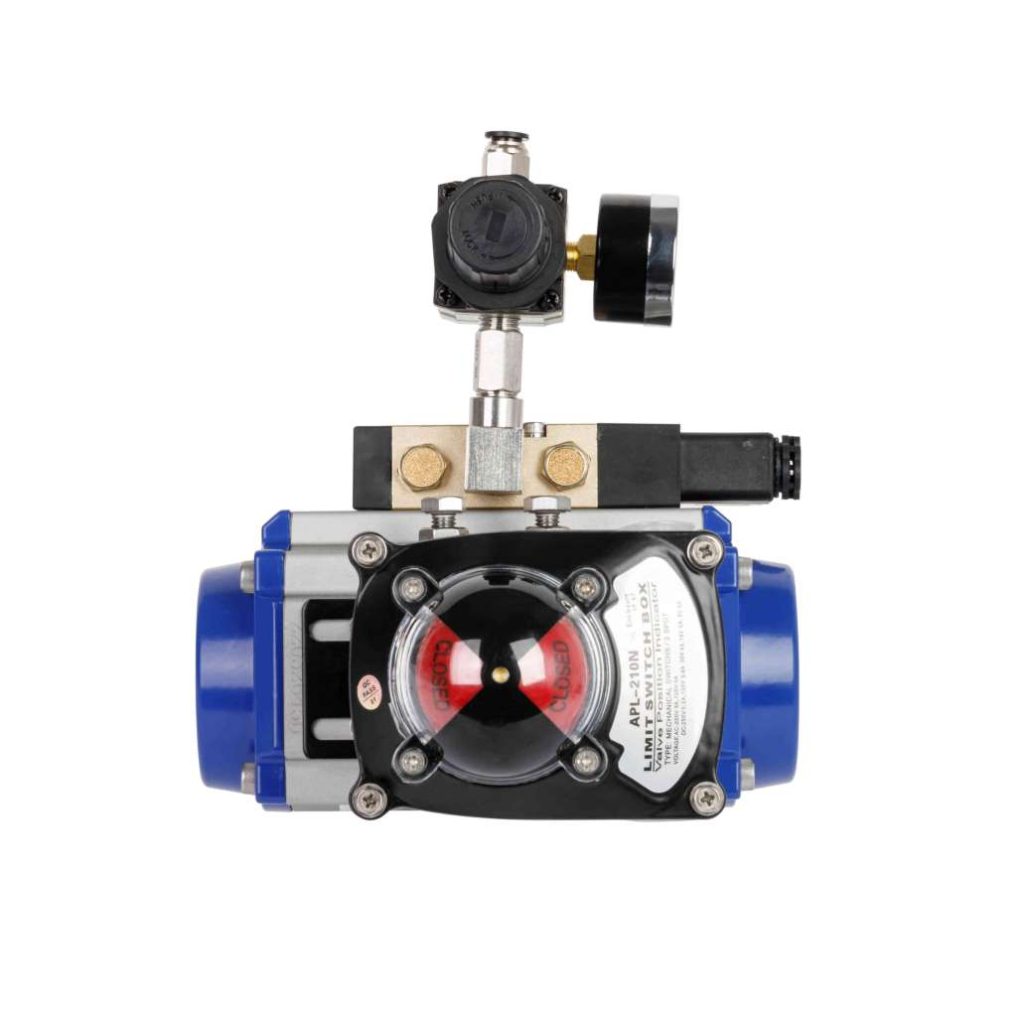
Pneumatic actuators are essential components in a wide range of industrial applications, offering efficient and reliable motion control solutions. These actuators convert compressed air energy into mechanical motion, typically linear or rotary, to drive systems and machinery. Their design and functionality make them particularly useful in industries that require fast, clean, and precise movement. This article delves into the principles behind pneumatic actuators, their common applications, and the benefits they offer in various sectors.
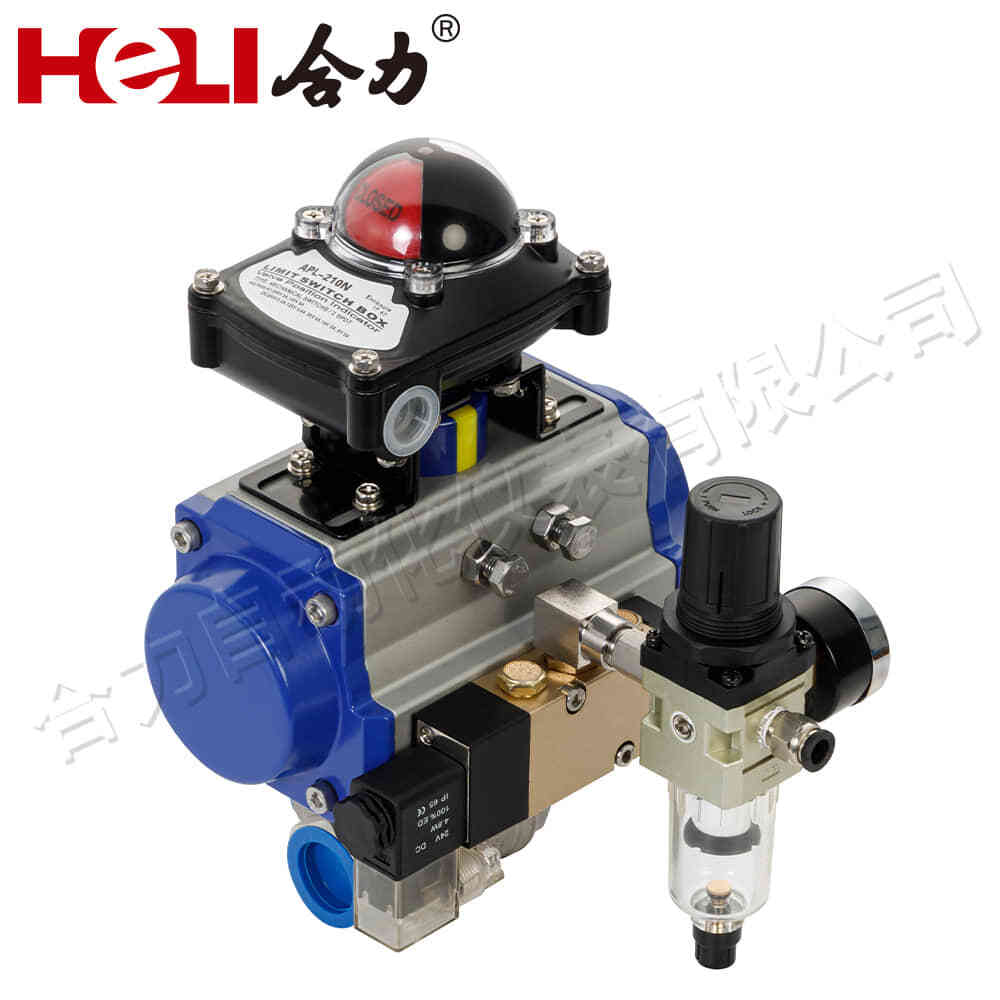
Principles of Pneumatic Actuators
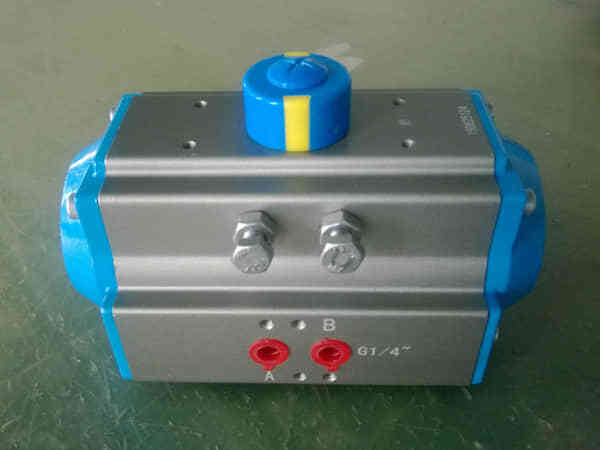
Pneumatic actuators operate based on the principle of utilizing compressed air to generate mechanical motion. The actuator consists of a cylinder, piston, and valve. Compressed air enters the actuator’s chamber, causing the piston to move in one direction. The movement can be controlled by regulating the pressure and flow of air, which in turn controls the speed and force exerted by the actuator. In a typical single-acting pneumatic actuator, air pressure is applied to one side of the piston, forcing it to move. The return movement is usually achieved through a spring, which pushes the piston back when the air is released. In a double-acting actuator, air pressure is applied alternately to both sides of the piston, allowing for more controlled and bidirectional motion. The efficiency of pneumatic actuators is largely dependent on the pressure of the compressed air, which directly affects the force and speed of the actuator.