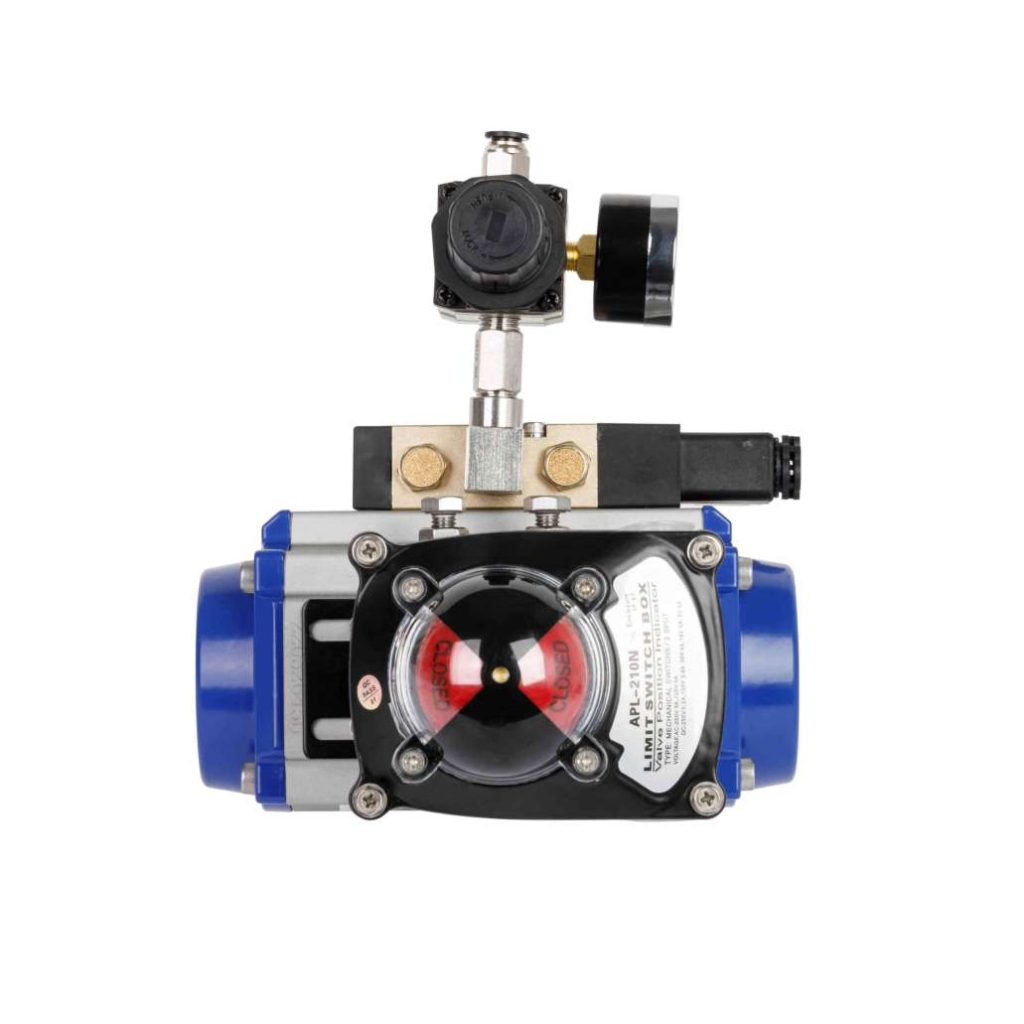
Pneumatic actuators are crucial components in various industrial automation processes, converting compressed air into mechanical motion to control valves, dampers, and other devices. This technology harnesses the power of air pressure, making it an efficient and effective solution for a multitude of applications. In this article, we will explore the mechanisms, types, advantages, and practical applications of pneumatic actuators, highlighting their significance in modern industries.
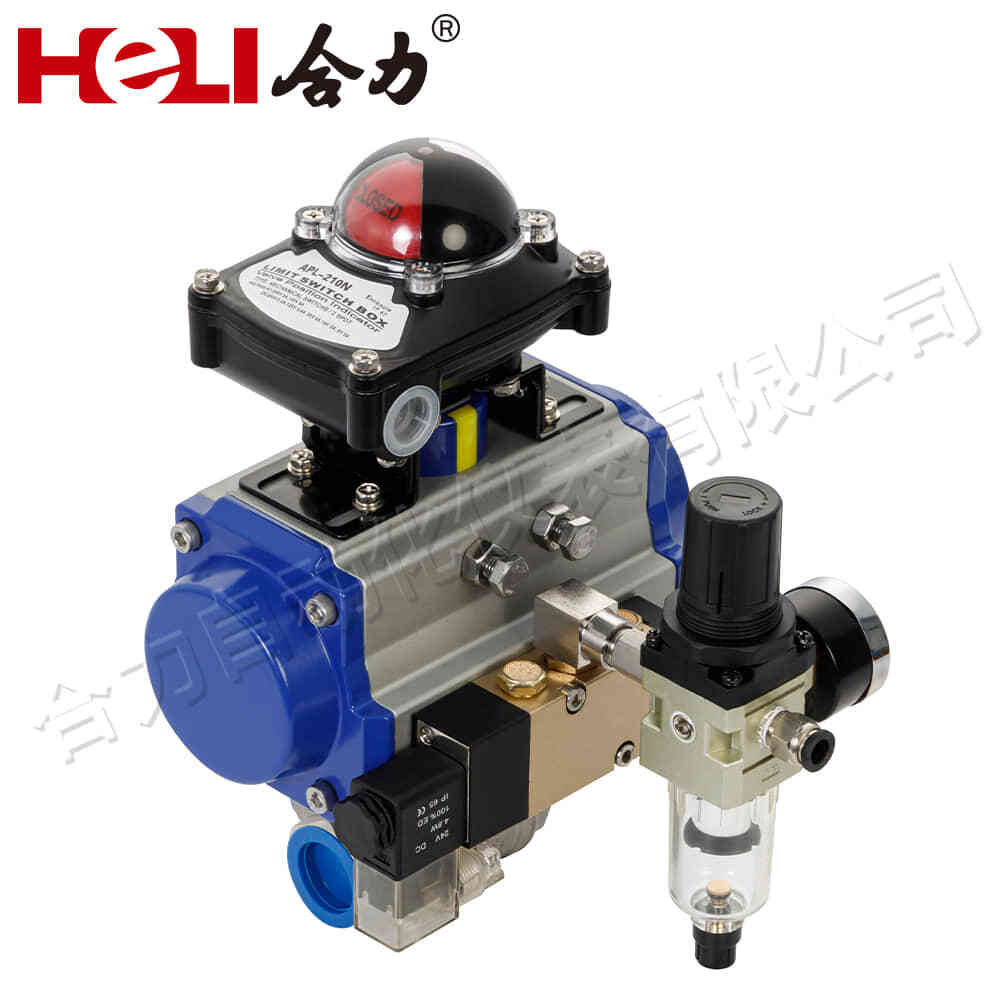
Mechanism of Pneumatic Actuators
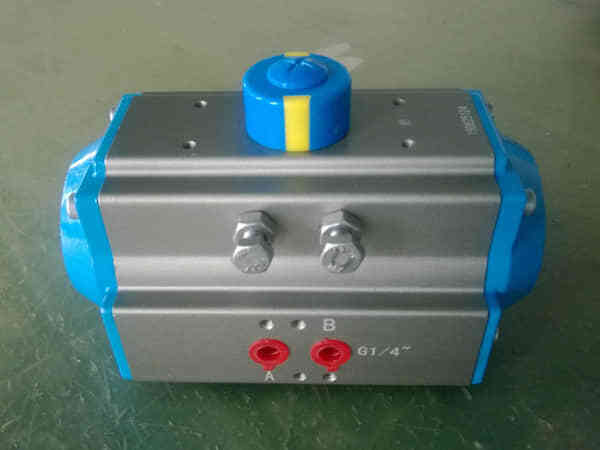
Pneumatic actuators operate on the fundamental principle of converting air pressure into motion. When compressed air is introduced into the actuator, it exerts pressure on a diaphragm or piston, causing it to move. Depending on the actuator design, this motion can be linear or rotary. The actuators are typically made from durable materials to withstand the pressure and environmental conditions they may encounter. Types of Pneumatic Actuators Pneumatic actuators can be classified into two main types: linear actuators and rotary actuators. Linear Pneumatic Actuators: These are designed to produce straight-line motion. They can be single-acting or double-acting: