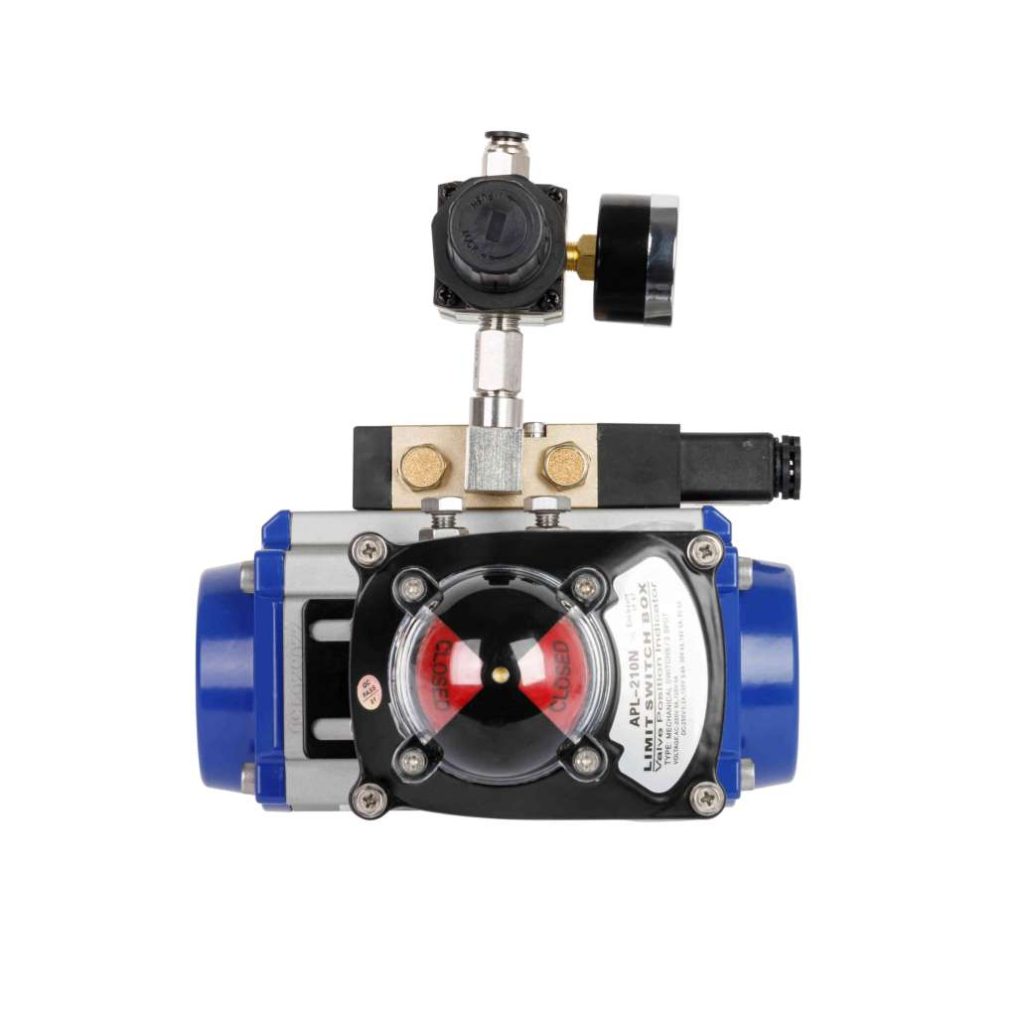
Pneumatic actuators play a crucial role in various industrial and automation applications. By utilizing compressed air to generate mechanical motion, they are essential in systems that require precise control, speed, and reliability. Pneumatic actuators offer distinct advantages over other types of actuators, making them a popular choice for industries ranging from manufacturing to robotics. This article explores the workings, types, benefits, and applications of pneumatic actuators.
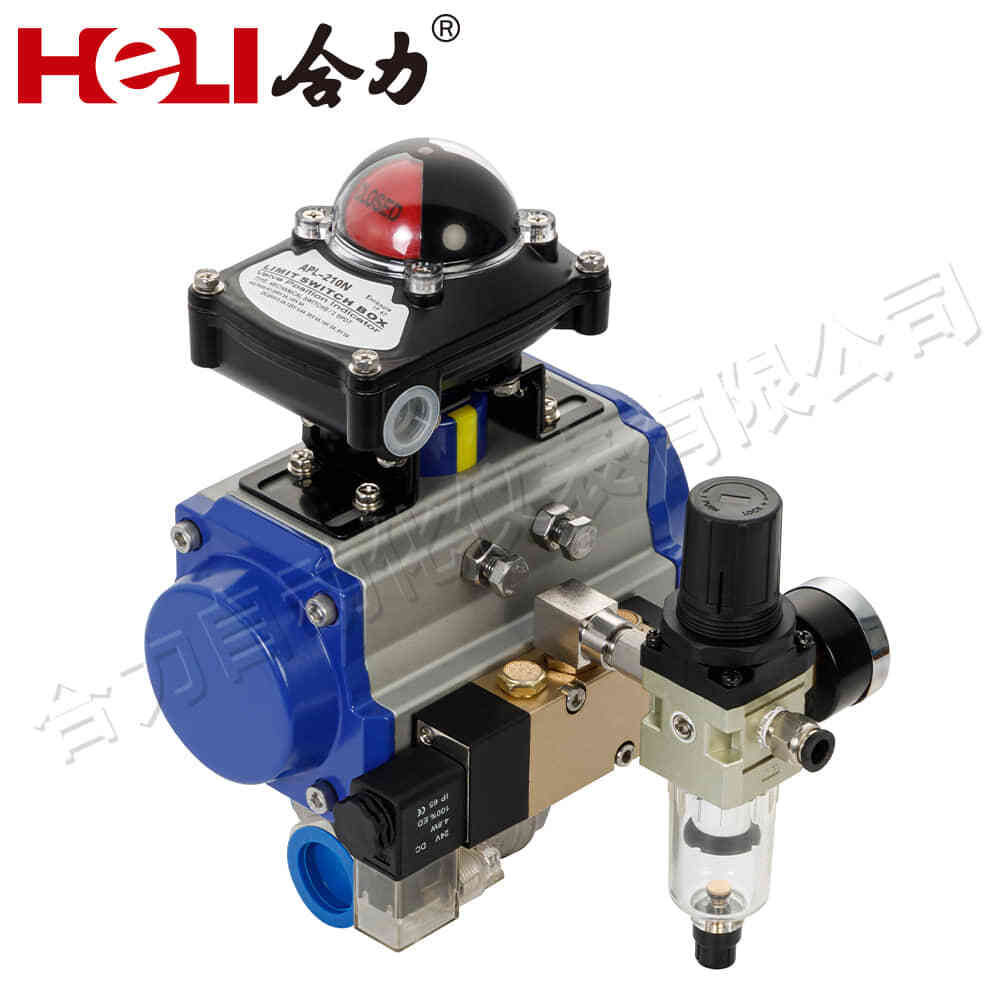
What is a Pneumatic Actuator?
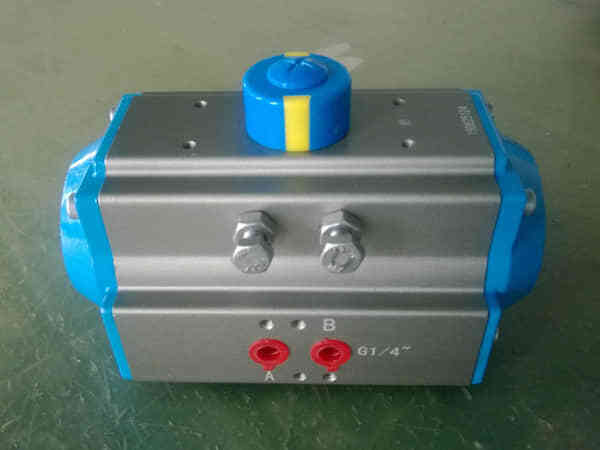
A pneumatic actuator is a mechanical device that converts the energy from compressed air into linear or rotary motion. The primary components of a pneumatic actuator include a cylinder, a piston or diaphragm, and a control valve. Compressed air is introduced into the actuator, causing the piston to move within the cylinder. This motion can either be linear (back-and-forth) or rotary (circular), depending on the design of the actuator. The use of compressed air as the driving force for these actuators provides several benefits, including speed, ease of maintenance, and safety in hazardous environments. Pneumatic actuators are often favored in applications where the use of electric or hydraulic actuators may not be ideal due to the nature of the work environment or cost considerations.