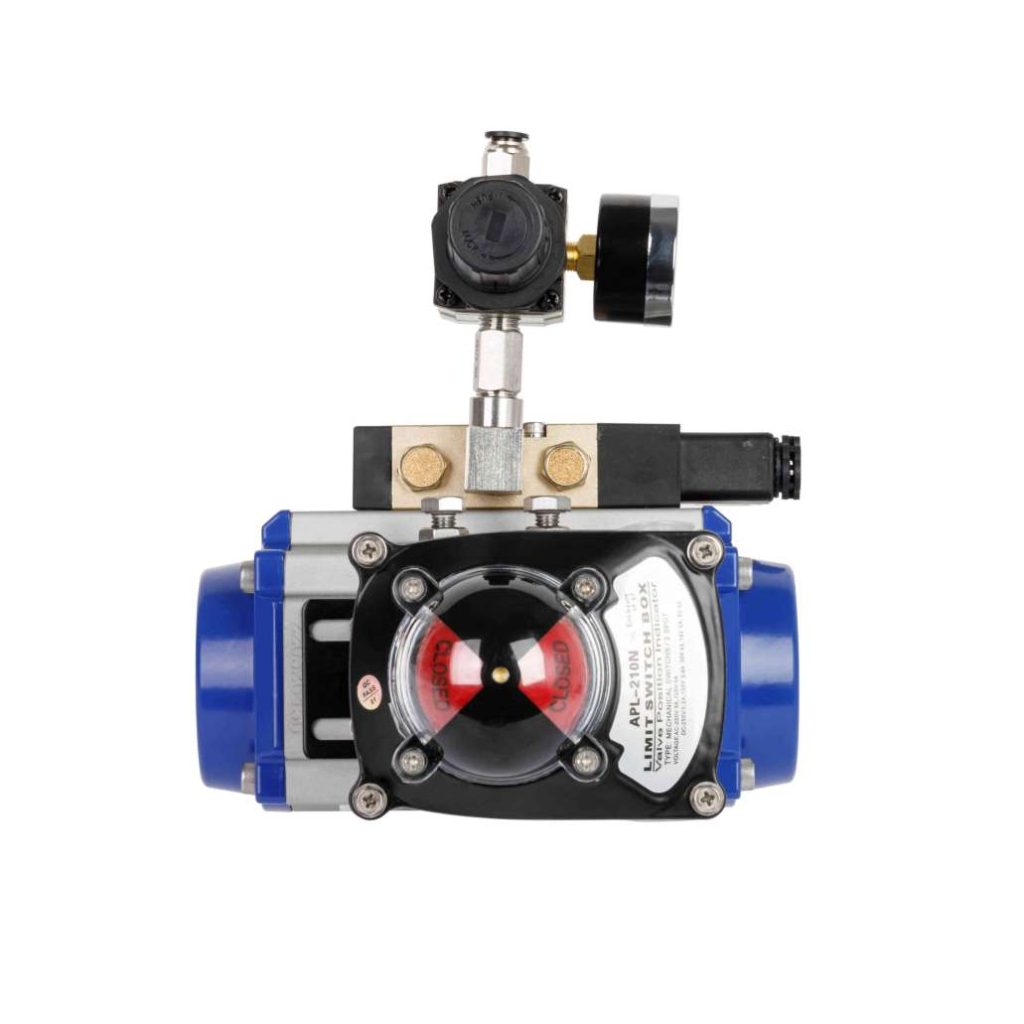
Pneumatic actuators are widely used in industrial applications for converting compressed air energy into mechanical motion. These actuators play a critical role in a variety of systems, from robotics to automation and valve control. In this article, we will explore the working principles, types, key components, and the benefits of pneumatic actuators, as well as their wide-ranging applications.
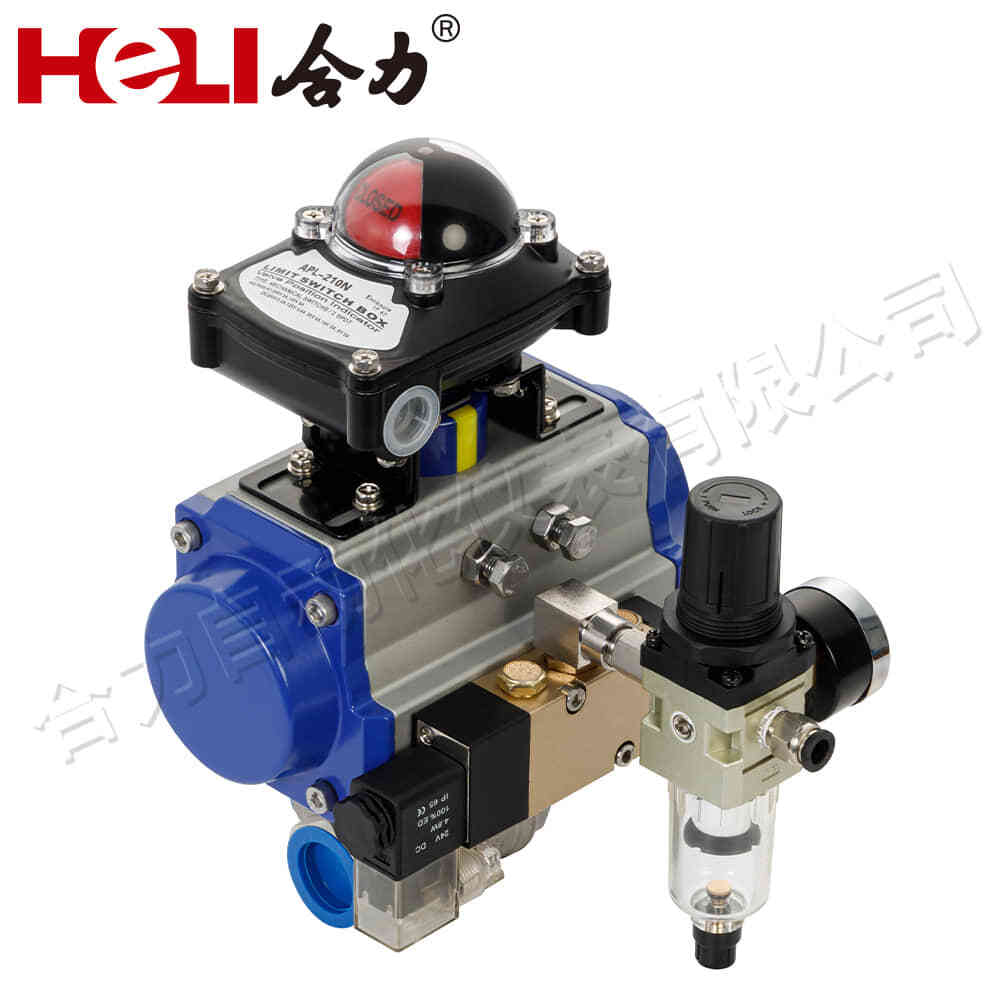
What is a Pneumatic Actuator?
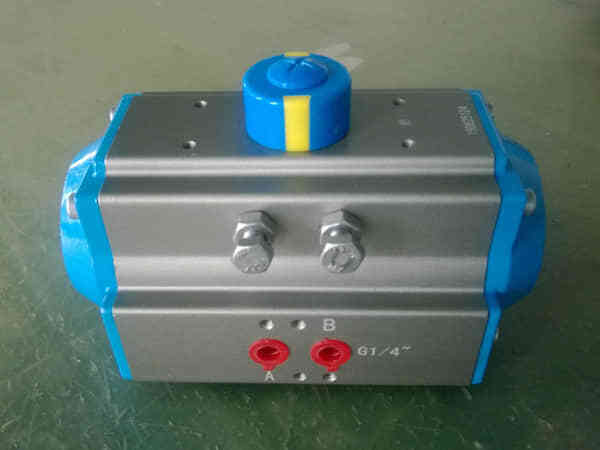
A pneumatic actuator is a device that uses compressed air to create mechanical movement. This movement can be either linear (straight line motion) or rotary (rotational motion). The actuator receives compressed air through a valve, which is directed into a cylinder or motor. The air pressure then pushes or pulls a piston or rotor inside the actuator, causing motion that can be used to perform work, such as lifting, pushing, turning, or rotating. Types of Pneumatic Actuators Pneumatic actuators come in two primary types: Linear Pneumatic Actuators: These actuators produce linear motion, which is typically used to move components in a straight line. Linear pneumatic actuators consist of a cylinder, piston, and a series of seals. The compressed air is directed into the cylinder, where it moves the piston in a linear direction, either extending or retracting. These actuators are commonly used in applications such as pressing, lifting, or sliding motions.