In industrial and manufacturing environments, worker safety is paramount. One of the critical safety protocols designed to protect workers during maintenance and service operations is the Lockout Tagout (LOTO) procedure. Central to this procedure are Lockout Tagout padlocks, which play an integral role in preventing the accidental startup of machinery or the release of hazardous energy. This article explores the importance of LOTO padlocks, their features, and their use in promoting workplace safety.
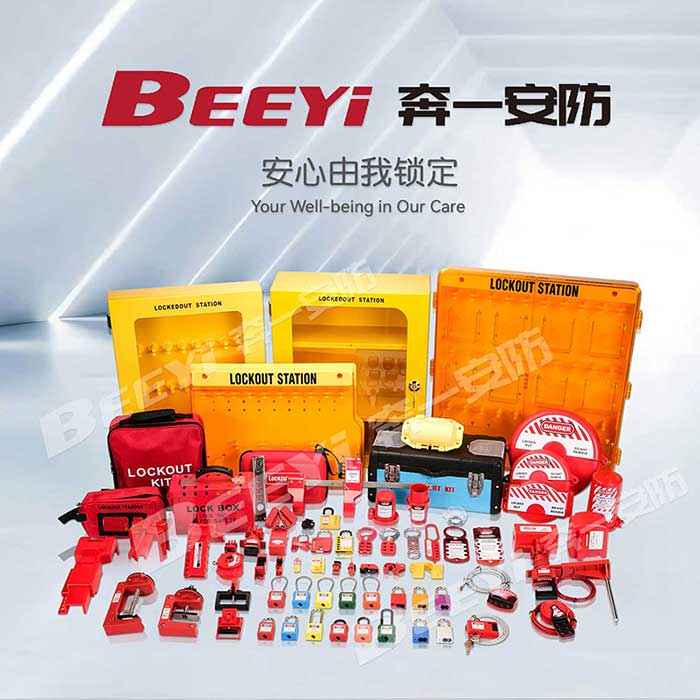
Lockout Tagout procedures are established to protect employees from unexpected machine movements or the unintended release of energy while they are working on machinery. These procedures are essential, as they create a barrier that ensures that machines are not inadvertently operated while maintenance work is being performed. The main components of the LOTO procedure include the use of padlocks and tags to isolate machines and communicate downtime effectively. The Functionality of Lockout Tagout Padlocks LOTO padlocks are specifically designed for use in industrial settings. They differ from regular padlocks in several important ways. Firstly, LOTO padlocks usually feature a unique key or combination mechanism that is limited to the authorized user. This ensures that only those with proper training and permission can access the key, preventing unauthorized personnel from removing the lock.