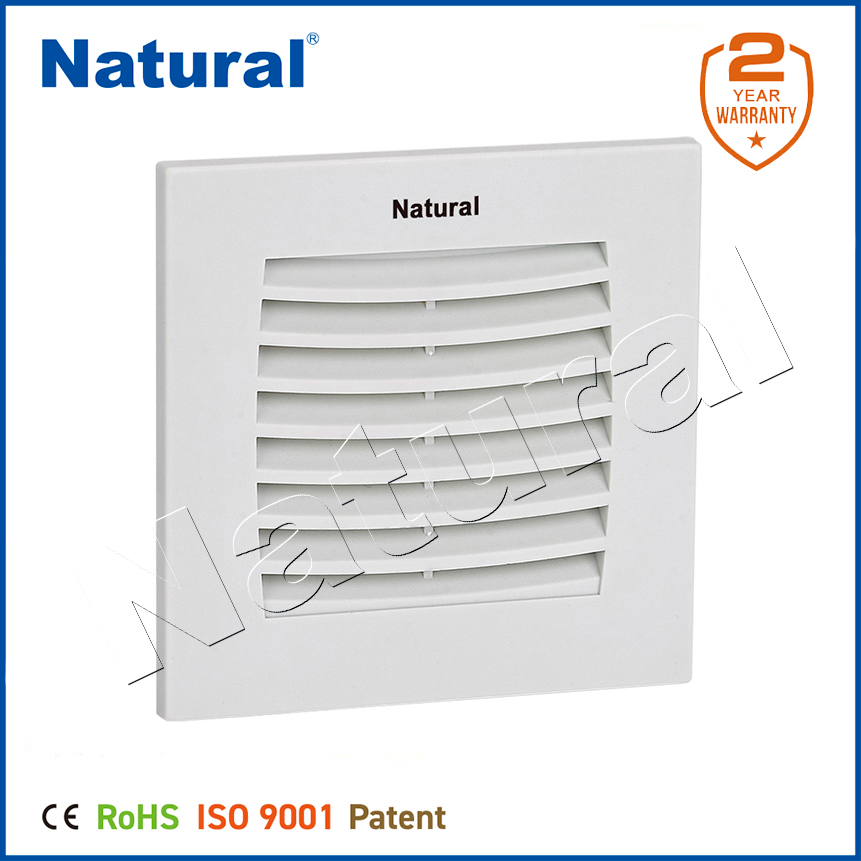
A Fan Filter Exhaust system is an integral component in maintaining air quality within controlled environments, such as laboratories, clean rooms, and industrial facilities. These systems are designed to filter out particulate matter, bacteria, and harmful gases from the air, ensuring a safe and clean atmosphere for both human operators and sensitive equipment. In this article, we will explore the components, applications, benefits, and importance of fan filter exhaust systems in various industries.
Components of a Fan Filter Exhaust System
A fan filter exhaust system typically consists of three main components: the fan, the filter, and the exhaust system. The Fan: The fan is responsible for circulating and exhausting air from the environment. It draws air in from the space and forces it through the filter, where contaminants are removed before the air is expelled. The fan is typically designed to operate quietly while maintaining a consistent airflow to ensure efficiency. The Filter: The heart of the system lies in its filtration mechanism. Filters come in various types, but the most common are HEPA (High-Efficiency Particulate Air) filters and activated carbon filters. HEPA filters are capable of trapping 99.97% of particles as small as 0.3 microns, including dust, pollen, mold spores, and bacteria. Activated carbon filters, on the other hand, are used for removing odors, volatile organic compounds (VOCs), and other gaseous pollutants.