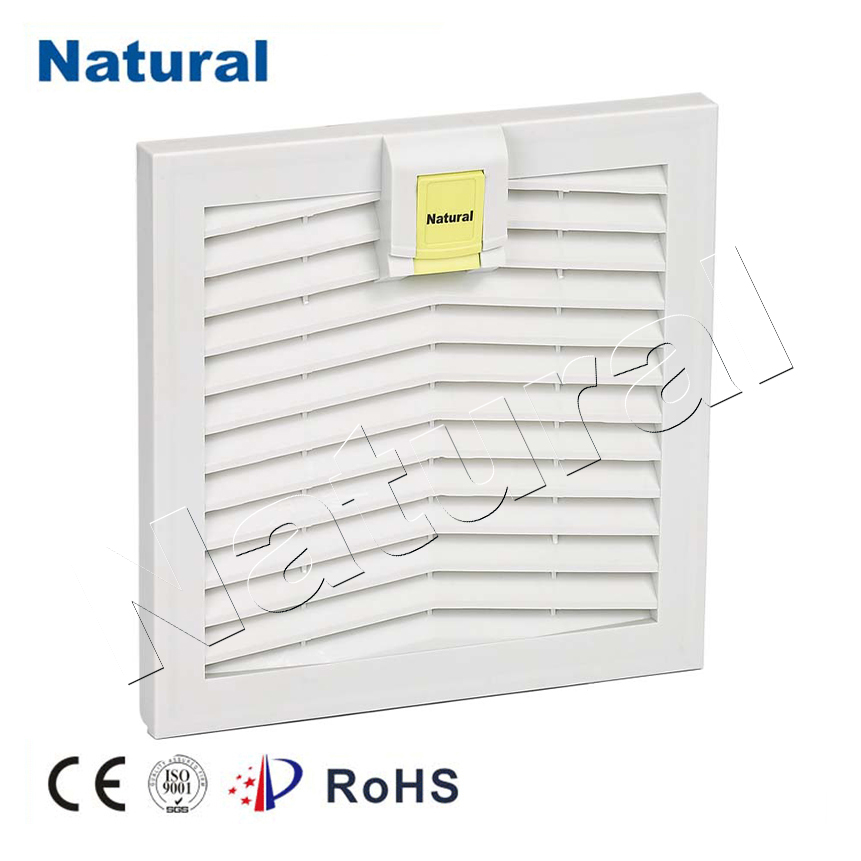
Fan Filter Air systems are crucial components in maintaining air quality in various industries that require controlled environments. These systems are primarily designed to filter out particles and contaminants from the air, ensuring that the atmosphere remains clean and safe for sensitive processes. In sectors like pharmaceuticals, biotechnology, electronics manufacturing, and healthcare, maintaining high air quality is not just a matter of comfort; it’s a matter of safety and precision. In this article, we will explore the design, function, and significance of Fan Filter Air systems, as well as their applications in different industries.
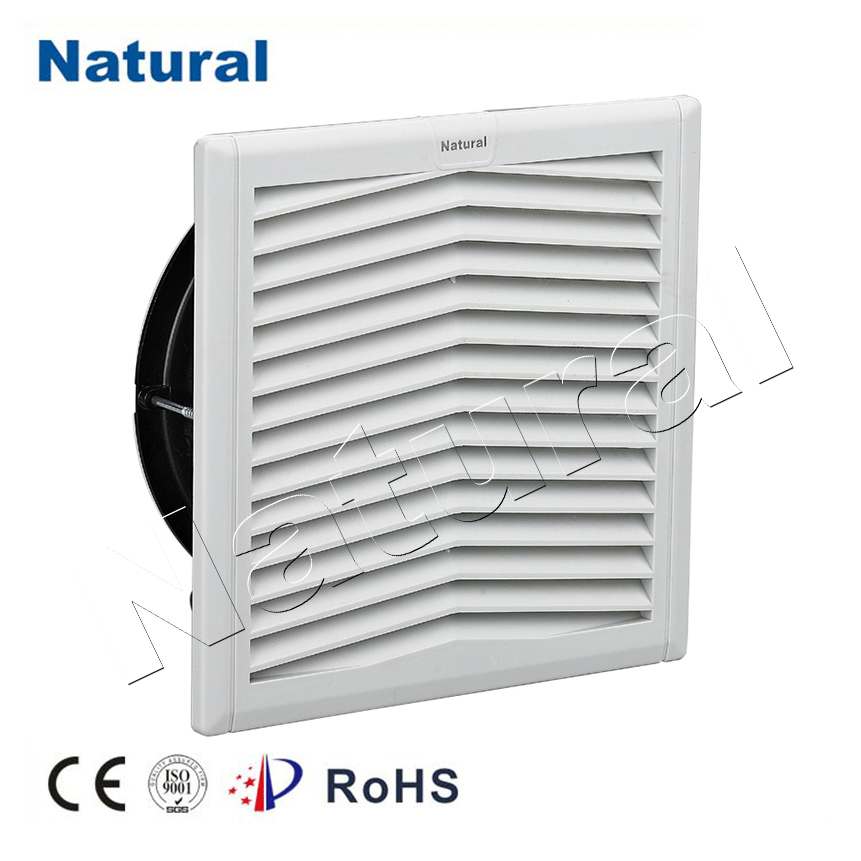
What is a Fan Filter Air System?
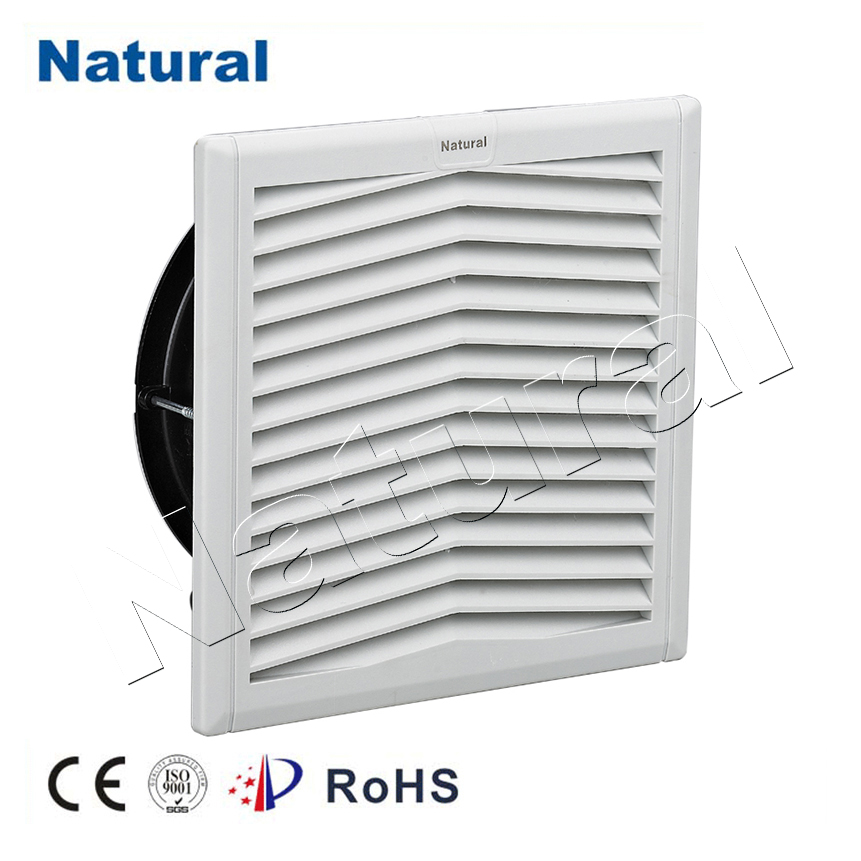
A Fan Filter Air system, often referred to as a Fan Filter Unit (FFU), is an air purification system that uses a combination of a fan and a high-efficiency filter to cleanse the air. The fan pulls in air from the environment, while the filter removes particles, microorganisms, and other airborne contaminants, producing clean, purified air. This purified air is then circulated within controlled environments such as cleanrooms or sterile areas. Typically, these systems utilize HEPA (High-Efficiency Particulate Air) or ULPA (Ultra-Low Penetration Air) filters, which are capable of trapping particles as small as 0.3 microns in diameter. The fan, which is generally mounted on top of the filter, ensures that air moves through the filtration media at a consistent rate, providing continuous airflow and effective filtration. This makes FFUs an ideal choice for environments that require a constant flow of ultra-clean air.