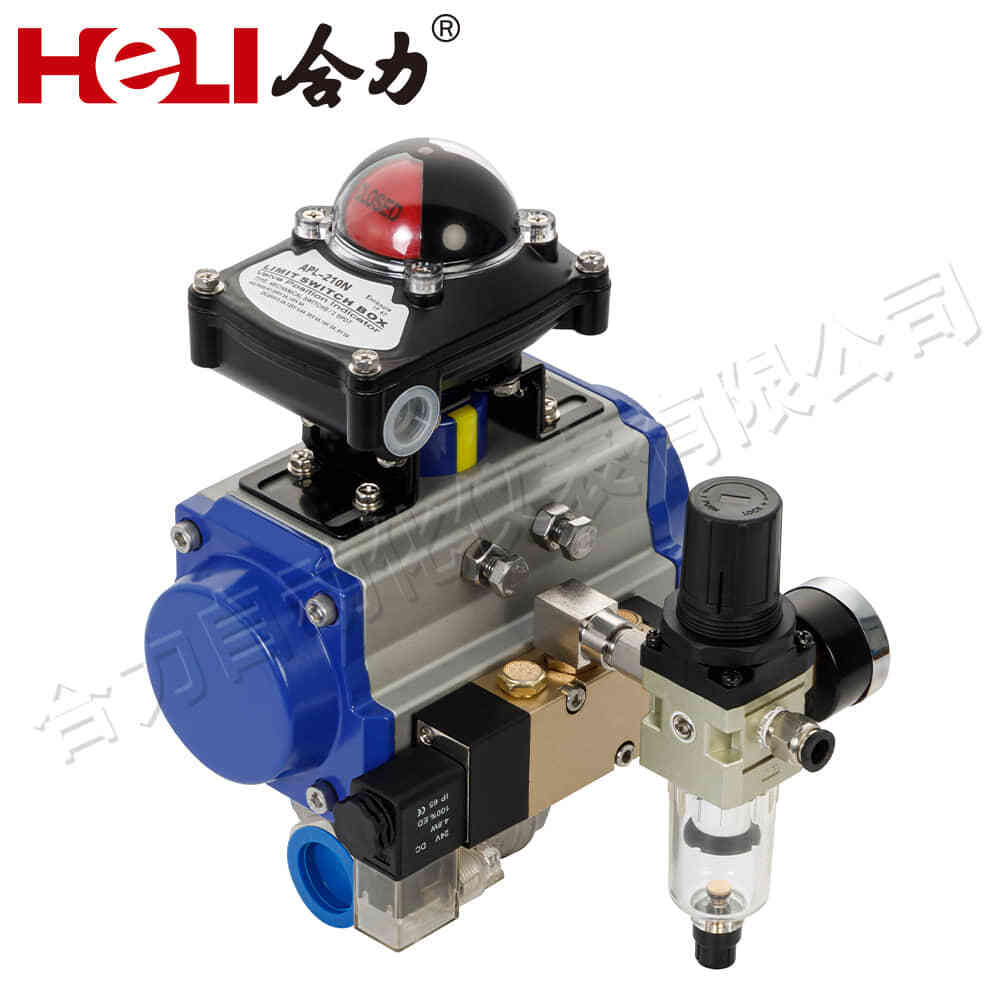
In industries where flammable gases, vapors, or combustible dust are present, safety must be a top priority. This is where explosion-proof pneumatic actuators come into play. These specialized devices are designed to control valves and other machinery in environments that pose a risk of explosion due to the presence of hazardous materials. This article aims to provide an in-depth understanding of explosion-proof pneumatic actuators, their functionality, applications, and considerations for selection.
What is an Explosion-proof Pneumatic Actuator?
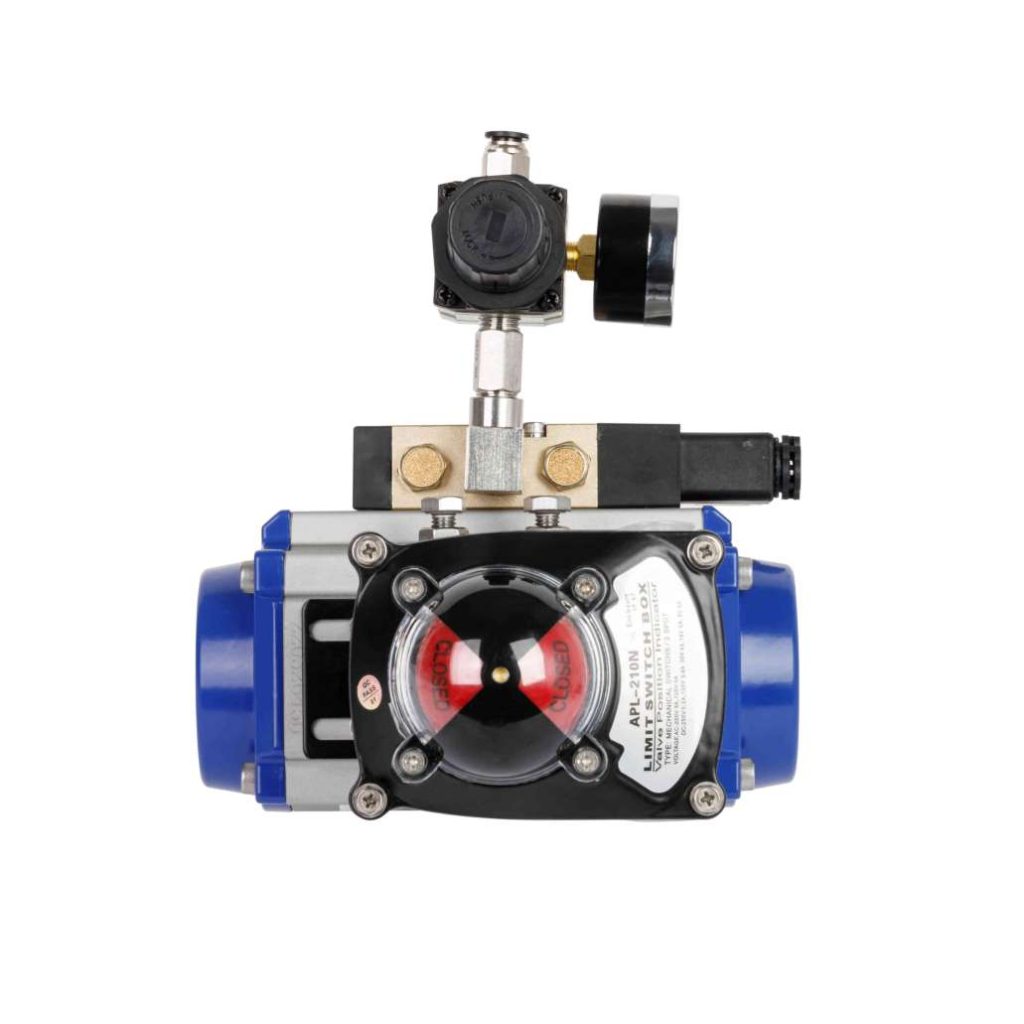
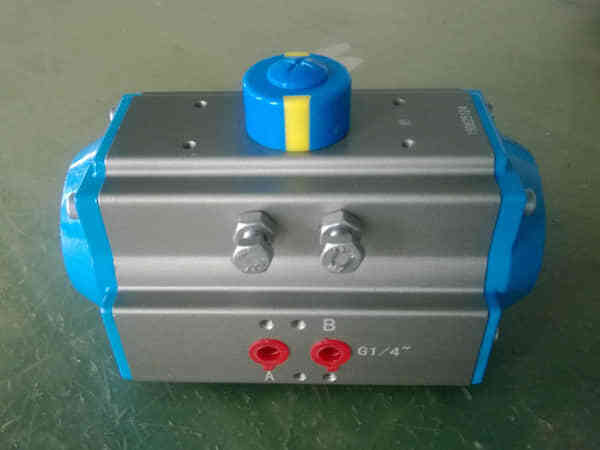
An explosion-proof pneumatic actuator is a mechanical device that uses compressed air to perform mechanical work, particularly in controlling the opening and closing of valves. What sets these actuators apart is their robust design, created to prevent potential ignition sources from igniting the surrounding hazardous atmosphere. The components are engineered to withstand significant stresses and prevent the internal combustion from escaping, ensuring that they can operate safely in volatile conditions. How Do They Work? The operation of an explosion-proof pneumatic actuator is relatively straightforward. It consists of a pneumatic cylinder, piston, and control valve. When compressed air is introduced into the cylinder, it creates pressure that moves the piston. The movement of the piston translates to mechanical work, such as opening or closing a valve. The actuator can also be modulated for precise control, allowing for adjustments in the flow rate of the medium being controlled.