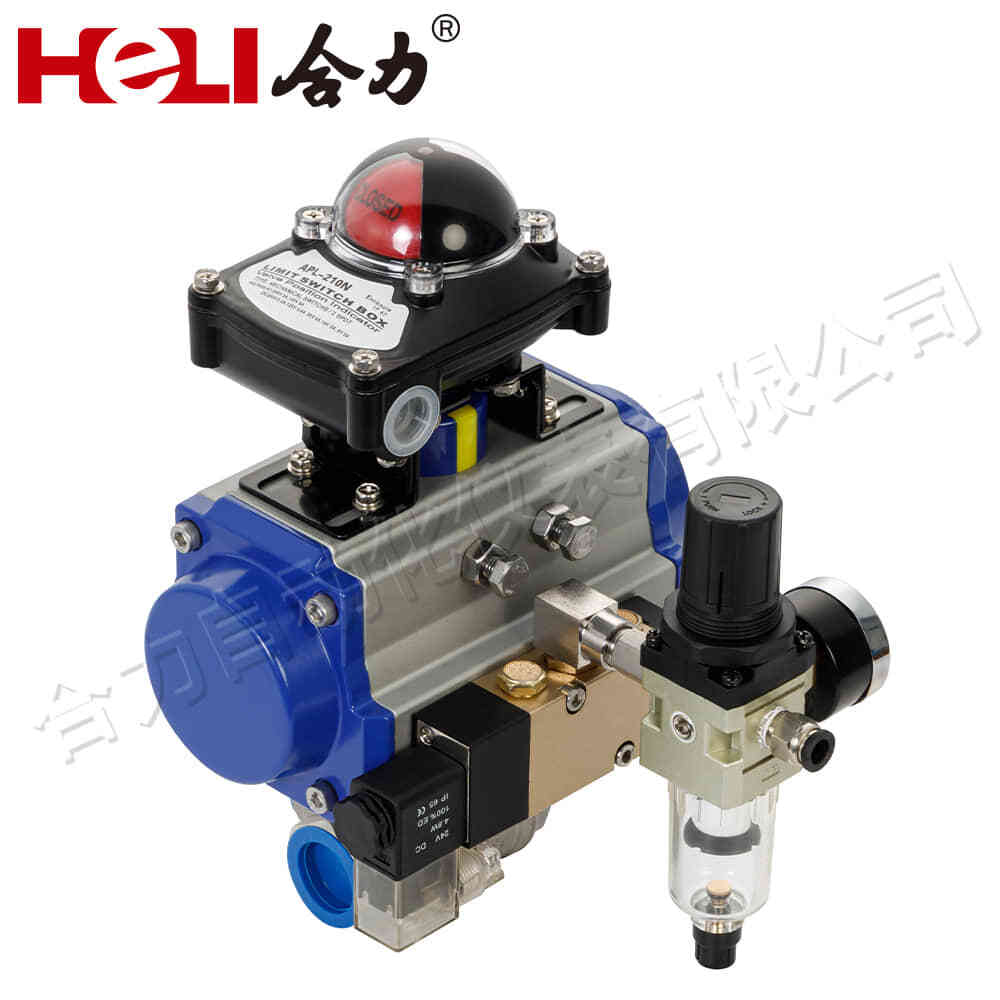
In industries where hazardous materials are handled, safety is of paramount importance. One critical component that ensures safe operations in such environments is the explosion-proof pneumatic actuator. This article delves into the significance, working principles, applications, and benefits of explosion-proof pneumatic actuators, highlighting why they are essential in various industrial sectors.
What is an Explosion-proof Pneumatic Actuator?
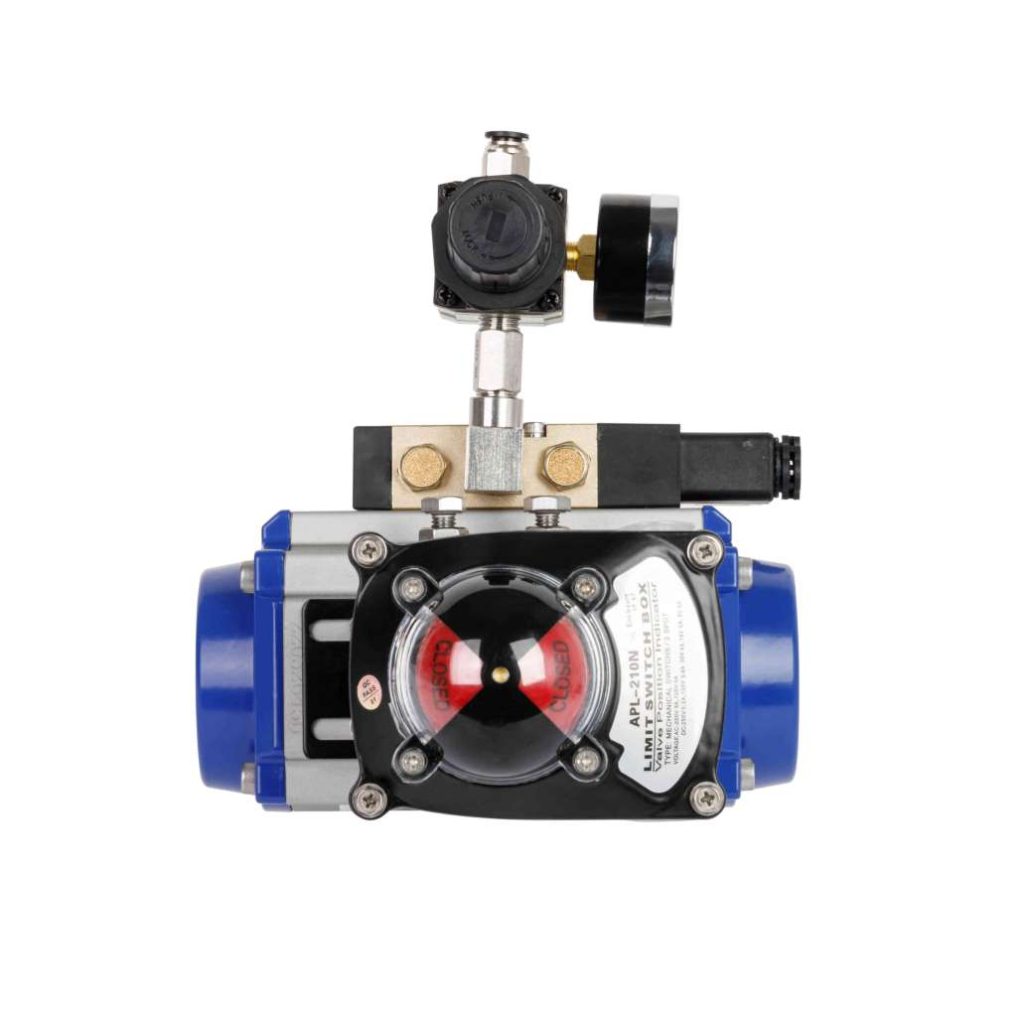
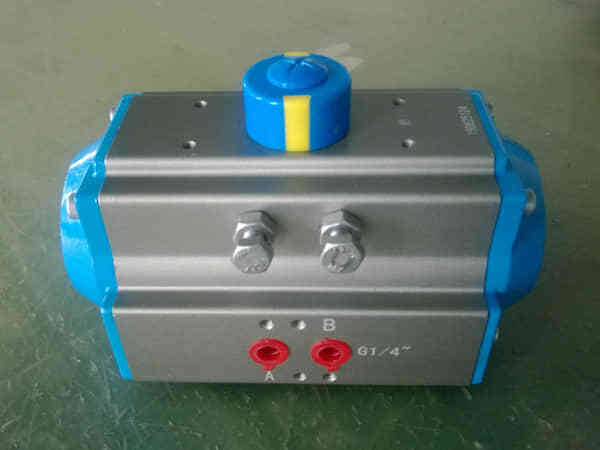
An explosion-proof pneumatic actuator is a device designed to operate in environments where flammable gases, vapors, or dust may be present. These actuators convert compressed air into mechanical motion to control valves and other equipment used in processes such as fluid handling, mixing, and chemical reactions. The explosion-proof design means that even if an ignition source were to arise within the actuator, it would not ignite the surrounding hazardous atmosphere, thus preventing potential explosions and ensuring operational safety. Working Principles Pneumatic actuators typically operate using pressurized air delivered from a compressor. The actuator consists of a cylinder with a piston inside. When compressed air enters the cylinder, it moves the piston, resulting in linear or rotary motion that can operate a valve or other mechanical devices. In explosion-proof models, the actuator unit is built to rigorous standards, utilizing robust materials and specially designed housing to prevent any internal sparks or heat from escaping and igniting the surrounding flammable atmosphere.