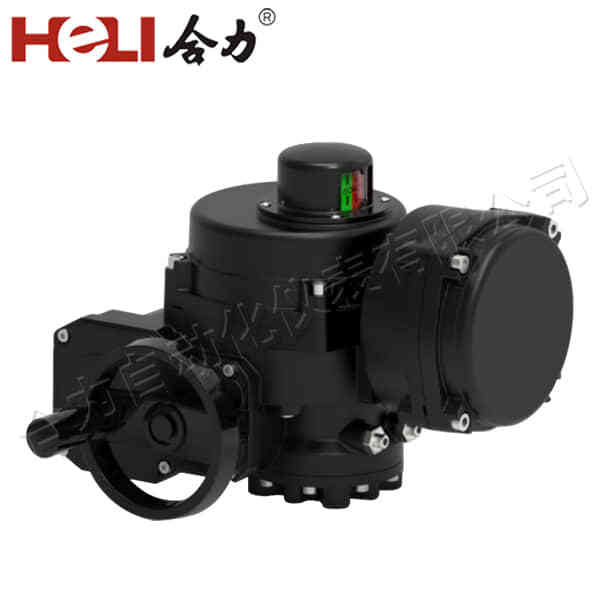
Explosion proof electrical installation is a critical aspect of safety in industries where flammable gases, vapors, or dust are present. The need for these specialized electrical systems arises from the risk of ignition caused by electrical equipment that could lead to catastrophic explosions and fires. This article seeks to delve into the principles, standards, components, and practices involved in the implementation of explosion proof electrical installations.
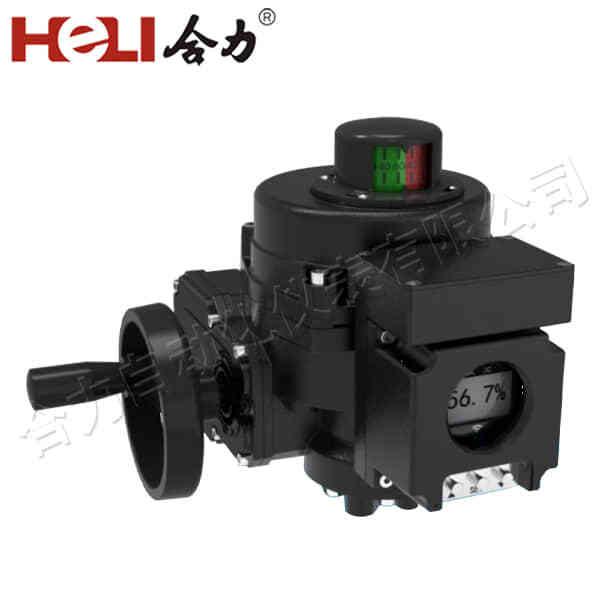
What is Explosion Proof?
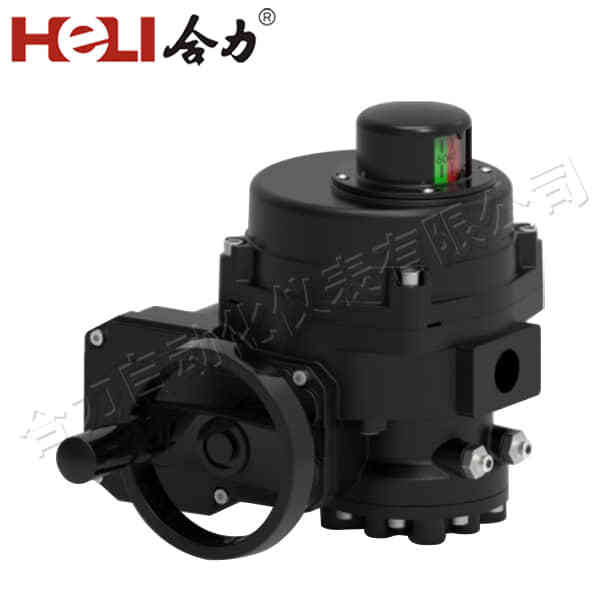
The term “explosion proof” refers to equipment designed with features that prevent the ignition of explosive atmospheres. Such equipment must contain any explosion that occurs within its enclosure and prevent the spread of flames or hot gases to the surrounding environment. This approach is essential in ensuring safety in locations classified as hazardous due to the presence of flammable substances. Classification of Hazardous Areas Before installing explosion proof equipment, it is crucial to understand the classification of hazardous areas. The classification is typically determined by the International Electrotechnical Commission (IEC) as well as local standards, which categorize areas based on the frequency and duration of the explosive atmosphere. The most common classifications include: