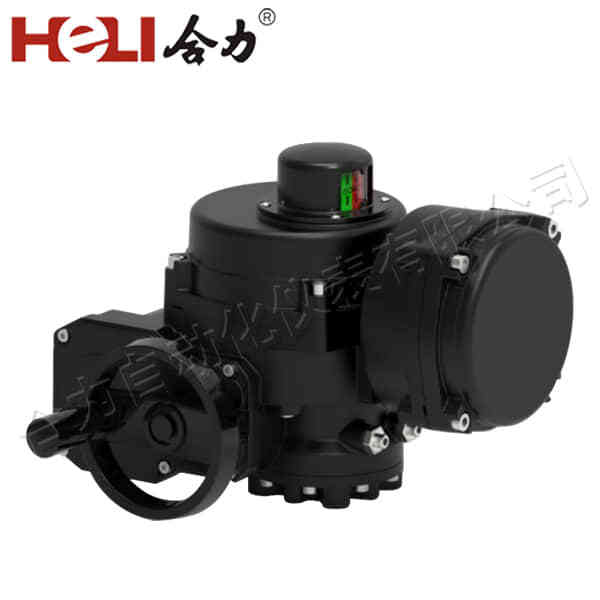
Explosion-proof electrical installations are a fundamental aspect of industrial safety, particularly in environments where hazardous gases, vapors, or dusts are present. These environments, such as chemical plants, oil refineries, mines, and grain silos, pose significant risks of explosions if proper safety measures are not in place. Explosion-proof electrical installations are designed to prevent ignition of these hazardous atmospheres by ensuring that any potential sparks, arcs, or heat generated within electrical equipment do not escape into the surrounding environment. This article provides an overview of the importance, standards, and considerations involved in explosion-proof electrical installations.
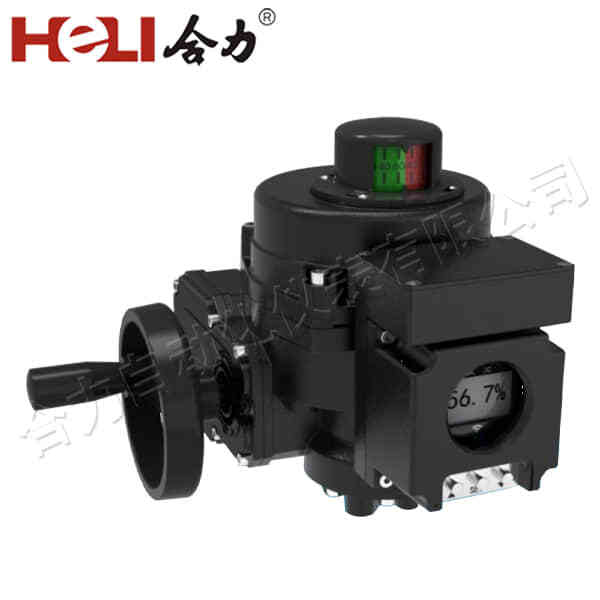
The Need for Explosion-Proof Installations
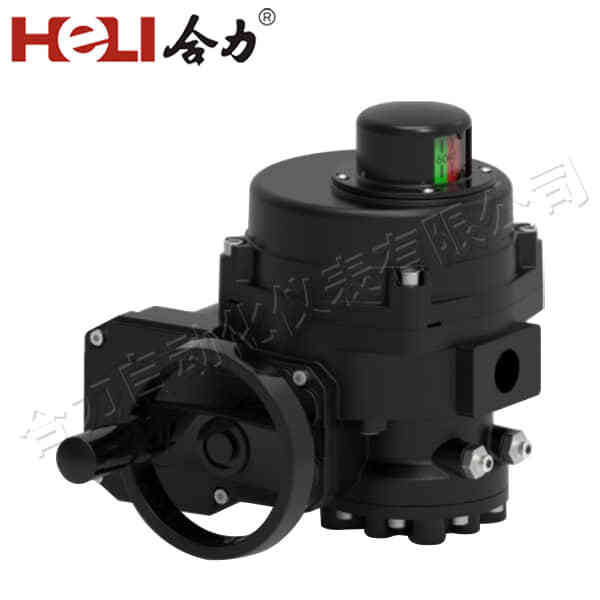
Hazardous areas are classified based on the likelihood and duration of explosive atmospheres being present. The presence of flammable gases, vapors, or combustible dusts creates a significant risk for ignition and explosion, making it crucial to implement explosion-proof measures. These areas are classified into different zones based on the frequency and duration of the hazardous atmosphere: Zone 0: Areas where explosive gases or vapors are present continuously or for long periods. Zone 1: Areas where explosive gases or vapors are likely to occur in normal operation. Zone 2: Areas where explosive gases or vapors are not likely to occur under normal operation but could appear in abnormal conditions.