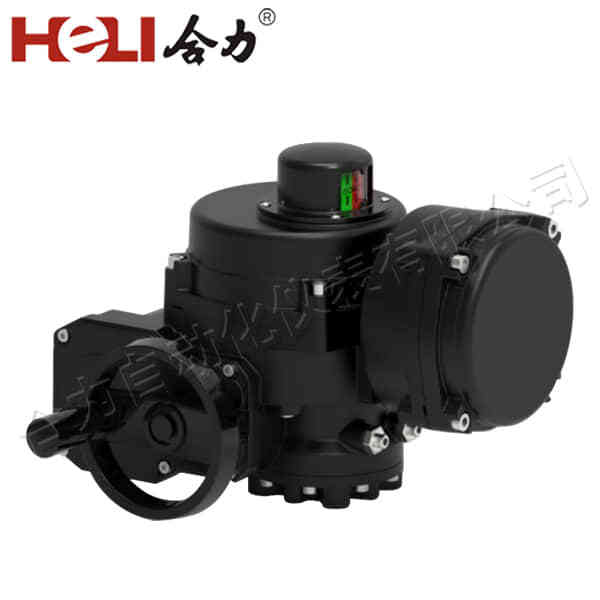
Explosion proof electrical installation is a critical topic in industries where hazardous materials may coexist with electrical equipment. This specialized installation aims to prevent ignition sources from causing explosions in environments rich in flammable gases, vapors, or dust. Key sectors such as oil and gas, chemical processing, pharmaceuticals, and mining commonly deploy such installations to safeguard both personnel and property. This article explores the principles, components, standards, and best practices associated with explosion proof electrical installations.
Principles of Explosion Proof Electrical Installation
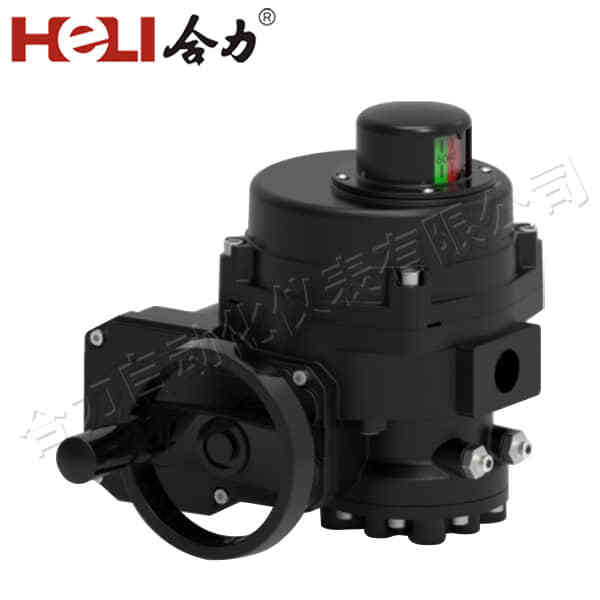
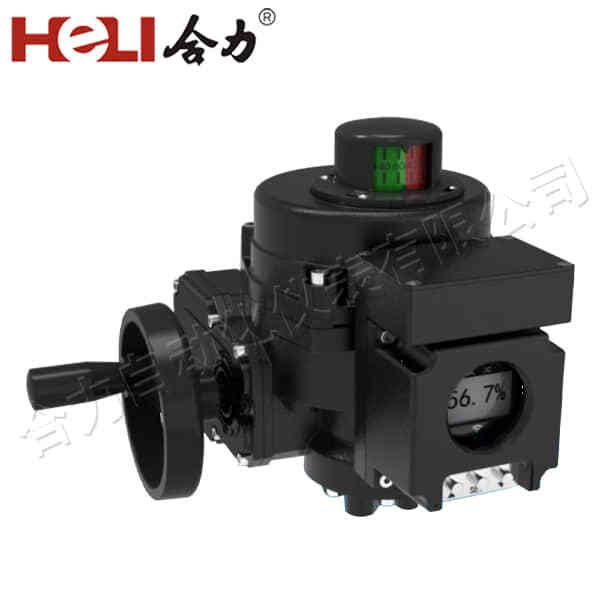
The primary principle behind explosion proof installations is to contain any potential explosion within the equipment, thereby preventing the escape of flames or hot gases that could ignite surrounding materials. To achieve this, manufacturers design explosion proof equipment with robust enclosures that can withstand internal explosions. These enclosures prevent the ignition of flammable substances that may be present in the atmosphere. Moreover, the design often incorporates barriers between electrical components and the external environment, effectively isolating the operational parts of the equipment. Such mechanisms prevent the transmission of sparks, heat, or flames outside the designated area, significantly reducing the risk of fire and explosion.