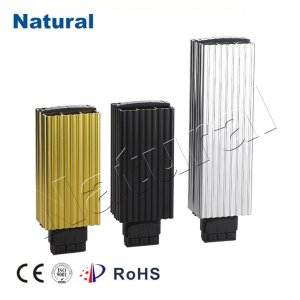
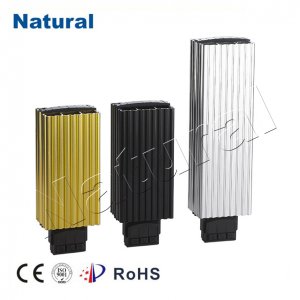
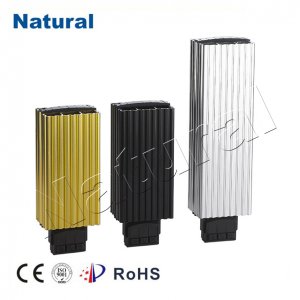
Element heaters are a cornerstone of modern heating technology, widely used in various applications ranging from household heating to industrial processes. These electrical heating elements convert electrical energy into heat through the principle of resistance heating. Understanding how element heaters operate, their types, applications, advantages, and safety considerations can significantly enhance our appreciation of this essential technology.
How Element Heaters Work
Element heaters operate based on a straightforward principle: when an electric current passes through a conductive material, resistance within the element generates heat. This process can be encapsulated by the equation P = I 2 × R P = I^2 times RP=I2×R, where P PP represents the power output in watts, I II is the current in amperes, and R RR is the resistance in ohms. This formula highlights the relationship between these three critical parameters, indicating that as resistance increases or current flows at higher levels, the power output—and therefore heat—is significantly amplified.