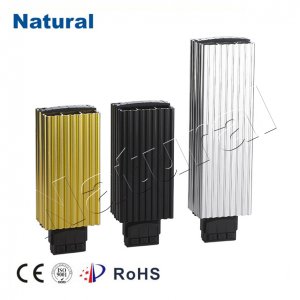
Element heaters are ubiquitous in modern life, providing warmth and heat in various forms for residential, commercial, and industrial applications. These devices are essential components in many everyday appliances, such as water heaters, ovens, toasters, and even space heaters. But how do they work, and what makes them so effective? In this article, we will explore the mechanics behind element heaters, their types, and the broad range of uses they serve.
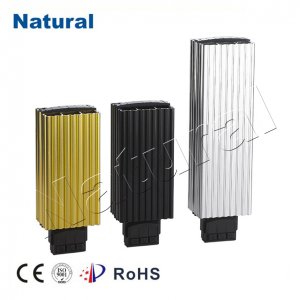
What is an Element Heater?
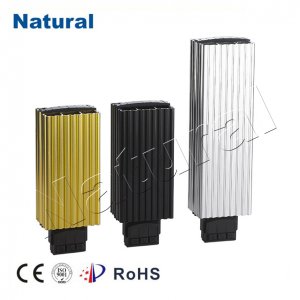
An element heater, also known as a heating element, is a device that converts electrical energy into heat. The basic function of a heating element is to resist the flow of electric current, which causes it to heat up. The energy released as heat is then transferred to the surrounding medium, whether it’s air, water, or any other substance that needs to be heated. Heating elements are typically made from materials that have high electrical resistance, which ensures that they heat up quickly and efficiently when electricity flows through them. Common materials used for heating elements include nichrome (an alloy of nickel and chromium), tungsten, and iron, each chosen for their ability to withstand high temperatures and corrosion. These materials’ properties allow heating elements to maintain high efficiency and longevity under various working conditions.