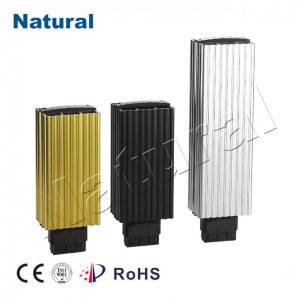
Element heaters, commonly referred to as resistance heaters, are an essential part of modern heating technology. These devices use electrical resistance to generate heat, making them highly efficient for a variety of heating applications. Whether in homes, industrial settings, or laboratories, element heaters provide reliable and controllable heat with a simple yet effective design. This article will explore the principles behind element heaters, their benefits, safety features, and diverse applications.
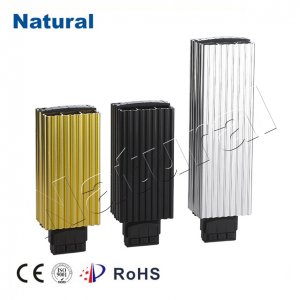
What is an Element Heater?
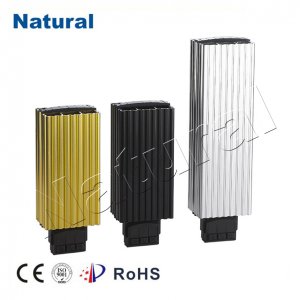
An element heater operates based on the principle of electrical resistance. It consists of a heating element made from a material with a high resistance to electricity, such as metal alloys like nichrome. When an electric current passes through the heating element, the resistance causes the material to heat up. This heat is then transferred to the surrounding air, water, or other substances, depending on the type of element heater. Element heaters come in various forms, including air heaters, water heaters, and industrial heating systems. They can be portable devices like space heaters, or fixed installations like those used in hot water tanks. The design and size of the heater will vary depending on its intended application.