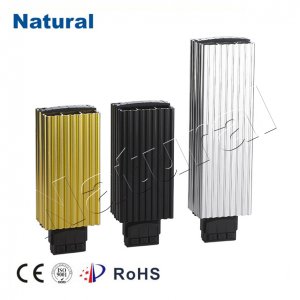
Element heaters, or electric heating elements, have become an essential component in many modern heating systems, both for residential and industrial applications. These devices convert electrical energy into heat through the process of electrical resistance, making them widely used in various heating solutions. This article explores the functionality, types, advantages, and applications of element heaters, highlighting their importance in today’s energy-efficient and climate-conscious world.
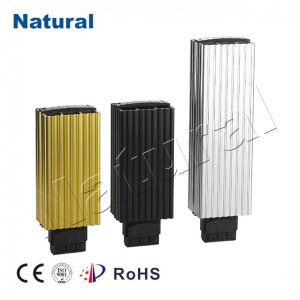
What is an Element Heater?

An element heater consists of a heating element, which is typically made of materials with high electrical resistance, such as nichrome (nickel-chromium alloy), copper, or steel. When electrical current passes through the element, the resistance to the current flow generates heat. This heat is then transferred to the surrounding air, water, or other substances, depending on the design of the heater. The efficiency of an element heater lies in its ability to directly convert electrical energy into heat without the need for additional fuels or combustion. As a result, element heaters are favored in environments where clean and quiet heating is necessary, such as homes, offices, and laboratories.