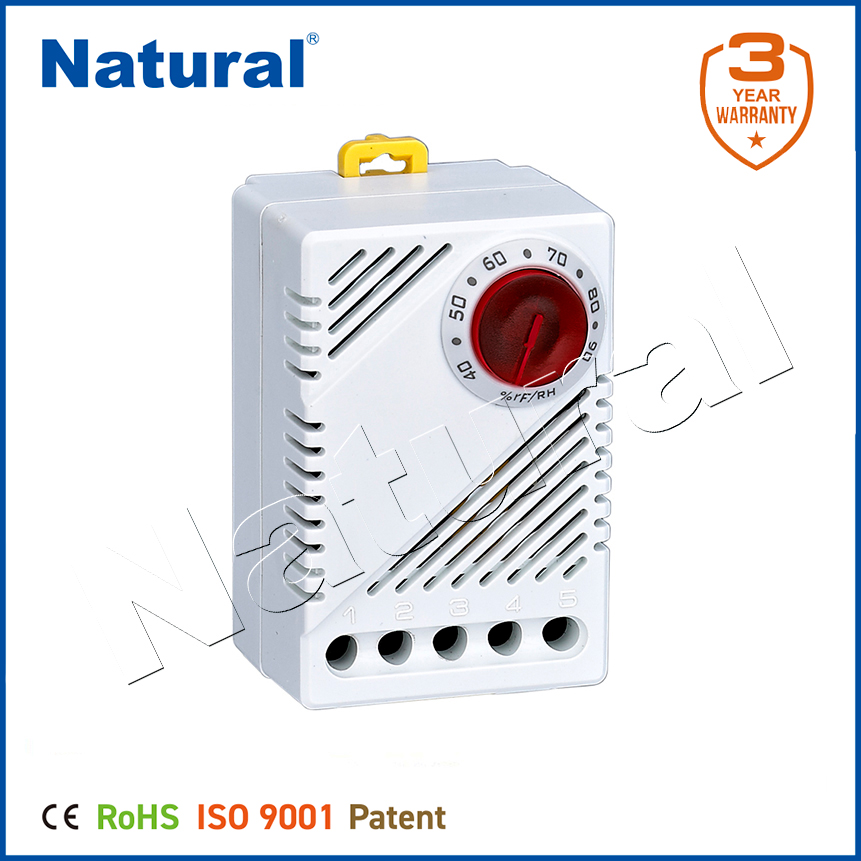
In today’s rapidly changing environment, maintaining a comfortable and healthy indoor atmosphere has become paramount. One of the essential tools used for this purpose is the Electronic Hygrostat. This device plays a crucial role in monitoring and regulating humidity levels within various spaces, from homes to industrial facilities. In this article, we will explore the technology behind electronic hygrostats, their functionality, applications, and benefits.
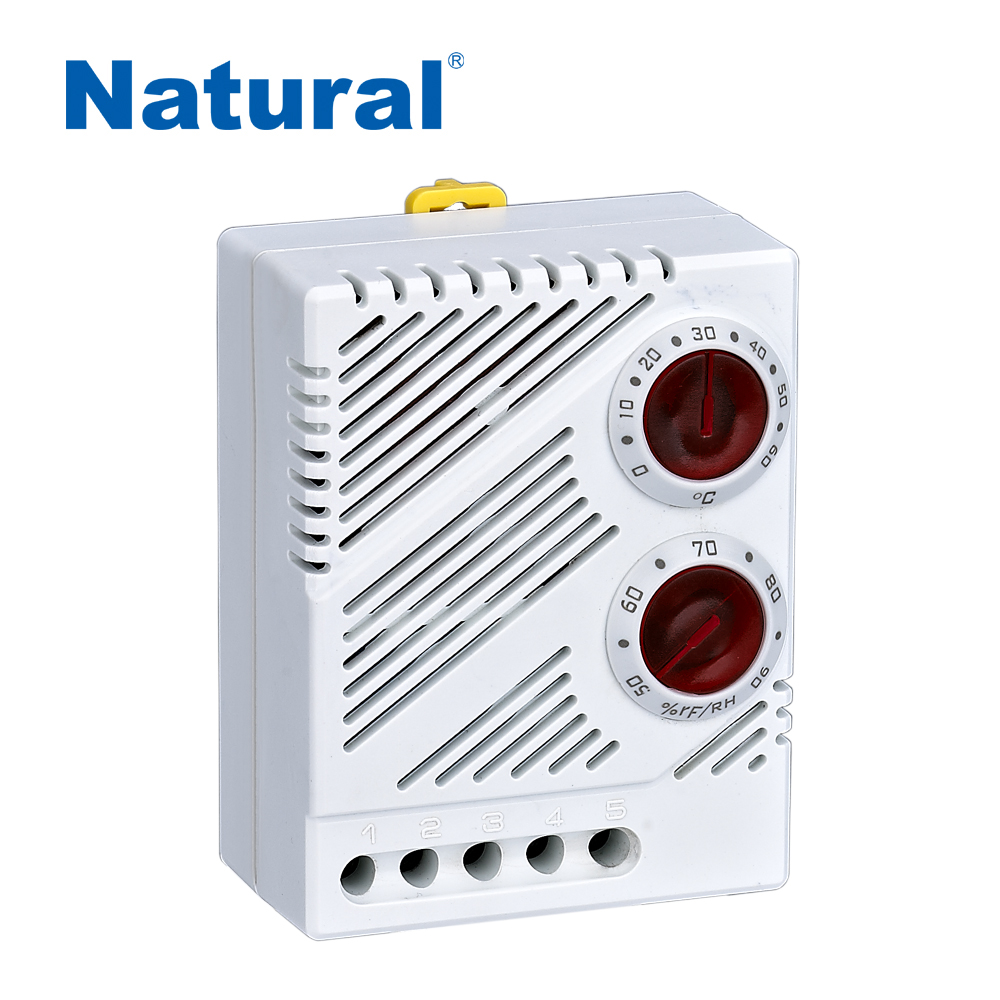
What is an Electronic Hygrostat?
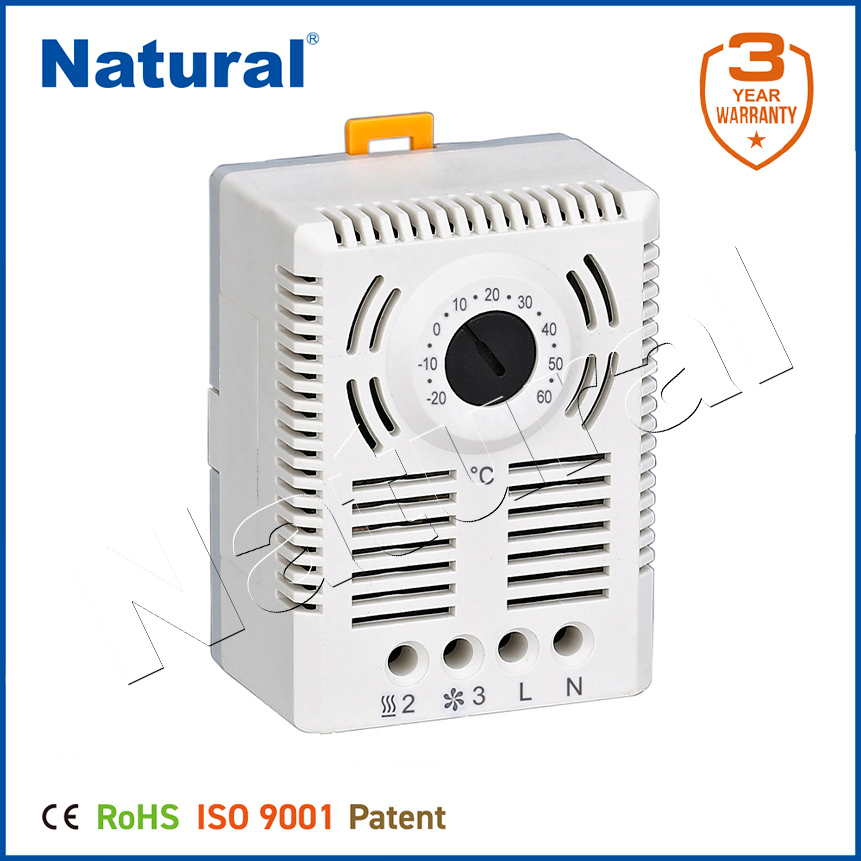
An Electronic Hygrostat is an electronic device designed to measure the relative humidity in the air and control the operation of humidifying or dehumidifying equipment accordingly. It utilizes sophisticated sensors to provide real-time monitoring of humidity levels and can automatically activate or deactivate connected equipment such as humidifiers, dehumidifiers, and ventilation systems to maintain the desired indoor humidity range. How Does it Work? The core of an Electronic Hygrostat is its humidity sensor, which can come in various types, including capacitive and resistive sensors. These sensors detect changes in moisture levels in the air and convert that information into electrical signals. The electronic circuitry within the hygrostat interprets these signals, comparing the current humidity level against pre-set thresholds determined by the user.