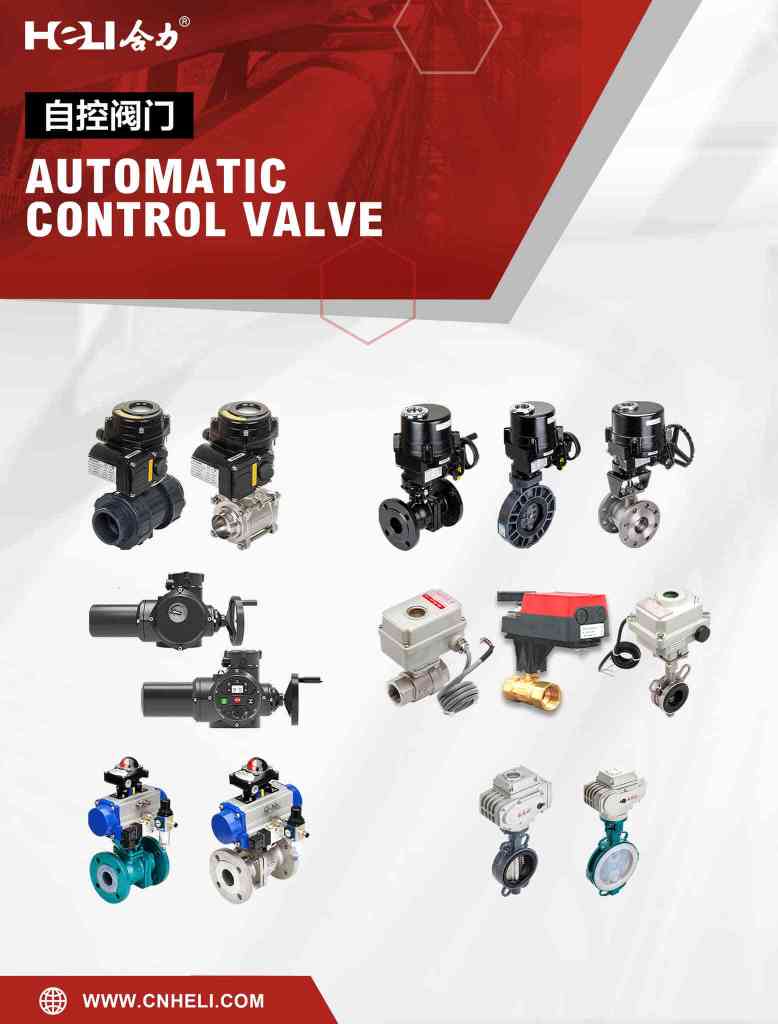
Electric valves have become an essential component in modern industrial automation, serving as the pivotal interface between control systems and fluid systems. These valves are widely used in various sectors such as manufacturing, oil and gas, water treatment, and HVAC (heating, ventilation, and air conditioning). By leveraging electrical actuators, electric valves offer precise control over fluid flow, contributing to efficiency, safety, and ease of operation in complex systems. This article will explore the functionality, types, applications, and advantages of electric valves, shedding light on their crucial role in modern infrastructure.
What is an Electric Valve?
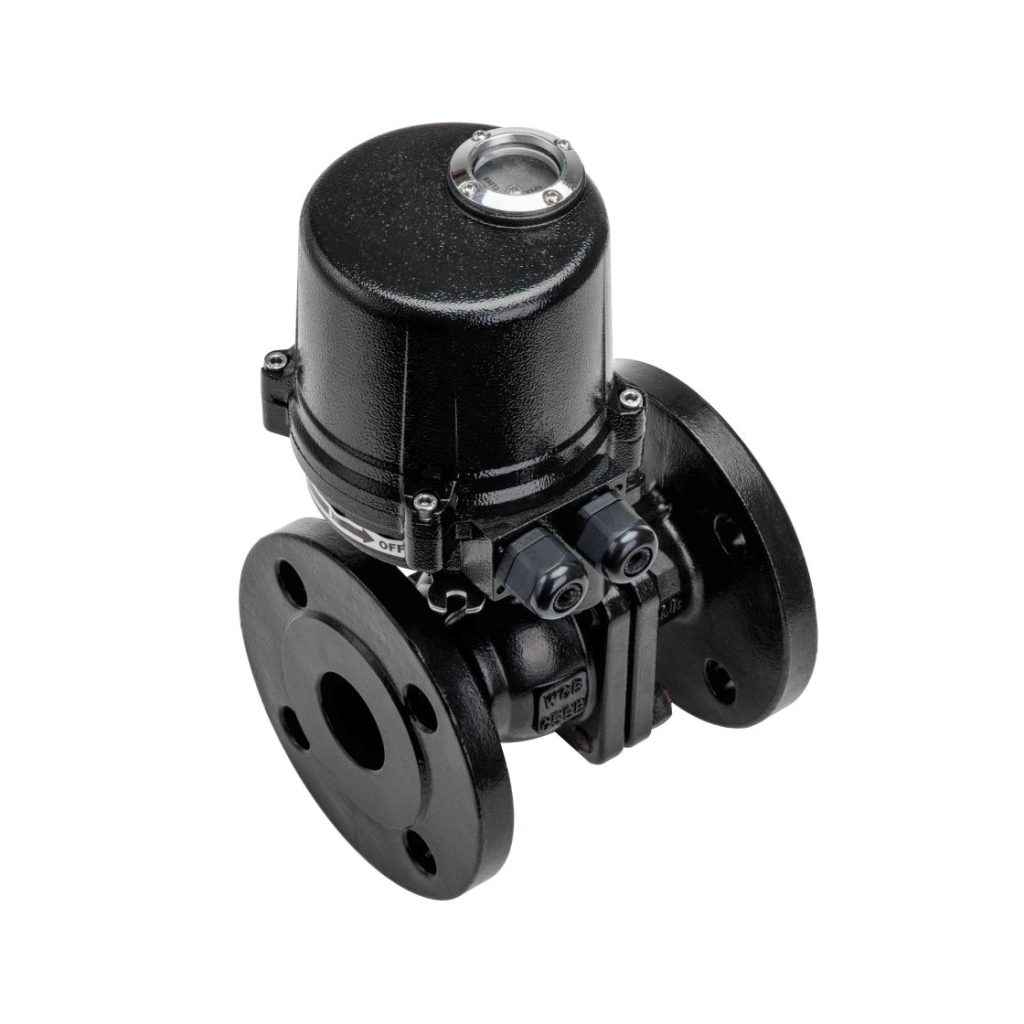
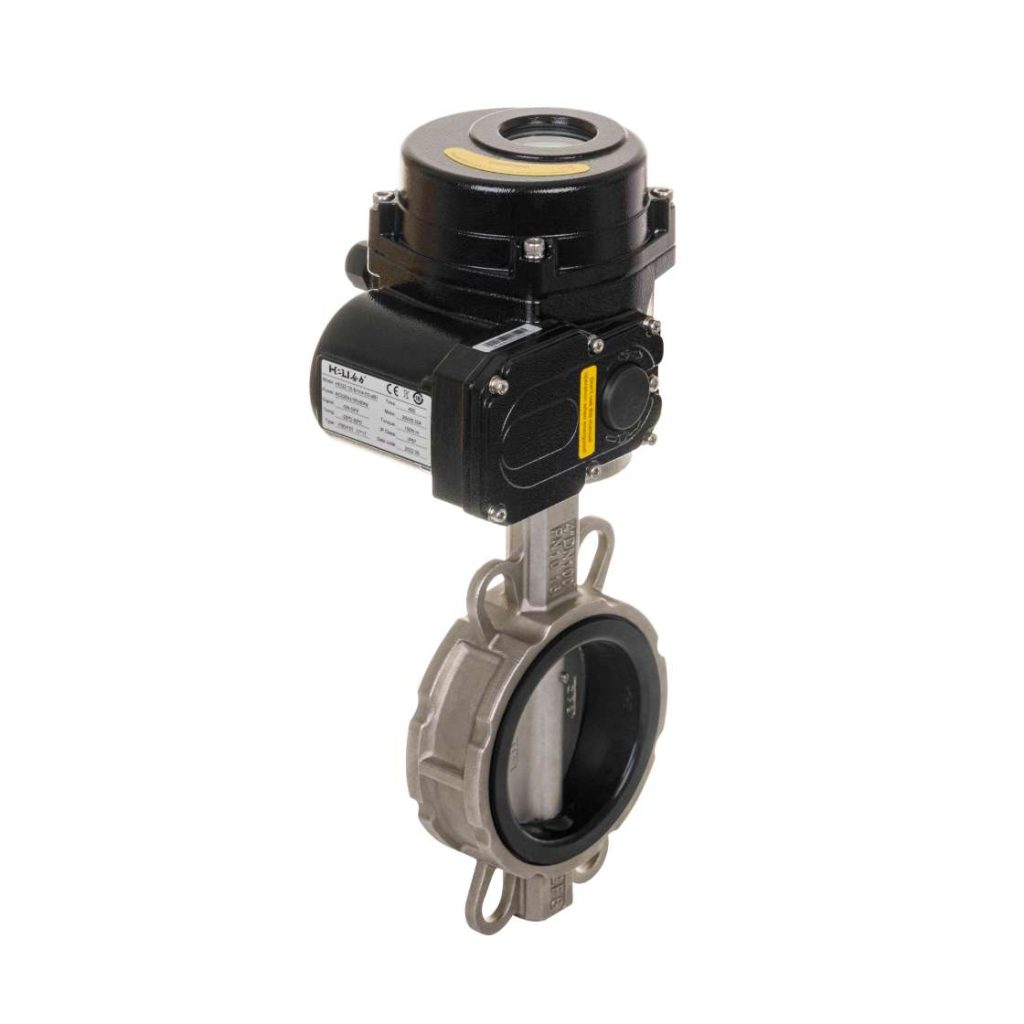
An electric valve is a valve that is operated by an electric actuator. The actuator receives an electrical signal from a control system and adjusts the valve’s position accordingly, either opening or closing it, or regulating it to a specific position. Unlike manual valves, which require physical effort to operate, electric valves provide automation, which is critical in systems where manual control is impractical or too time-consuming. The actuator is powered by an electric current, either from AC or DC sources, depending on the design and system requirements. Electric valves can be used to control the flow of gases, liquids, and even slurries, and they can function in various environments, from delicate laboratory setups to harsh industrial conditions.