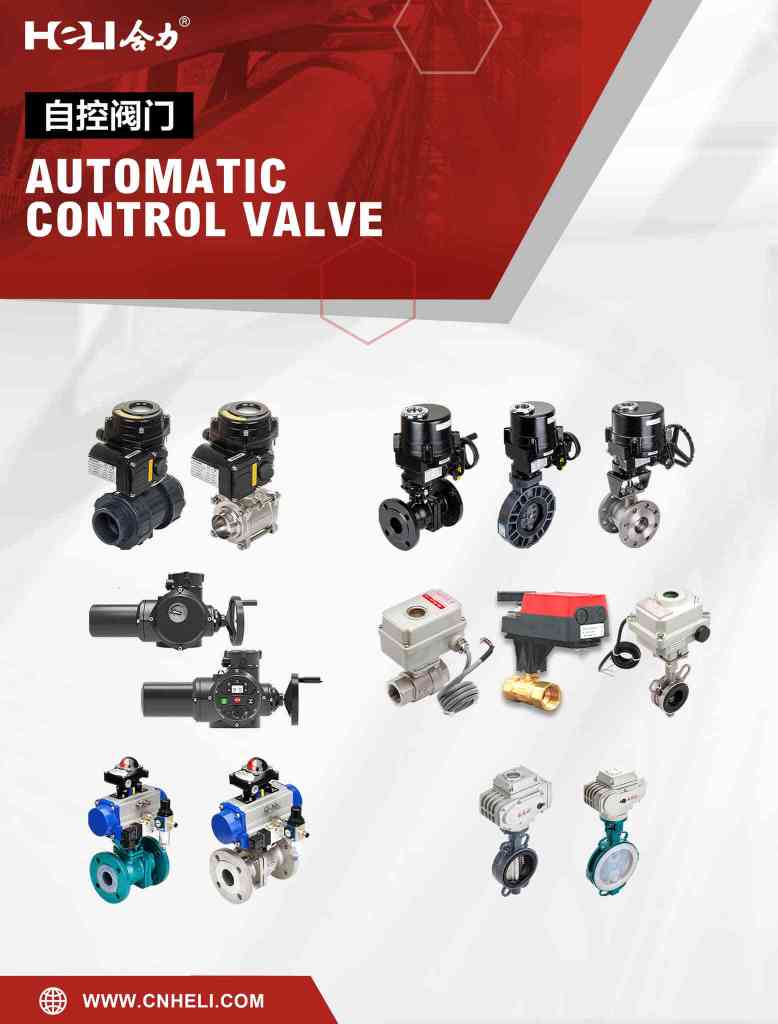
Electric valves are essential components in various industrial applications, providing automated control over the flow of fluids, gases, and other substances in systems. They offer several advantages over manual or pneumatic valves, such as precision control, ease of integration with automated systems, and remote operation capabilities. This article delves into the working principles, applications, and benefits of electric valves, as well as how they enhance the efficiency and reliability of industrial processes.
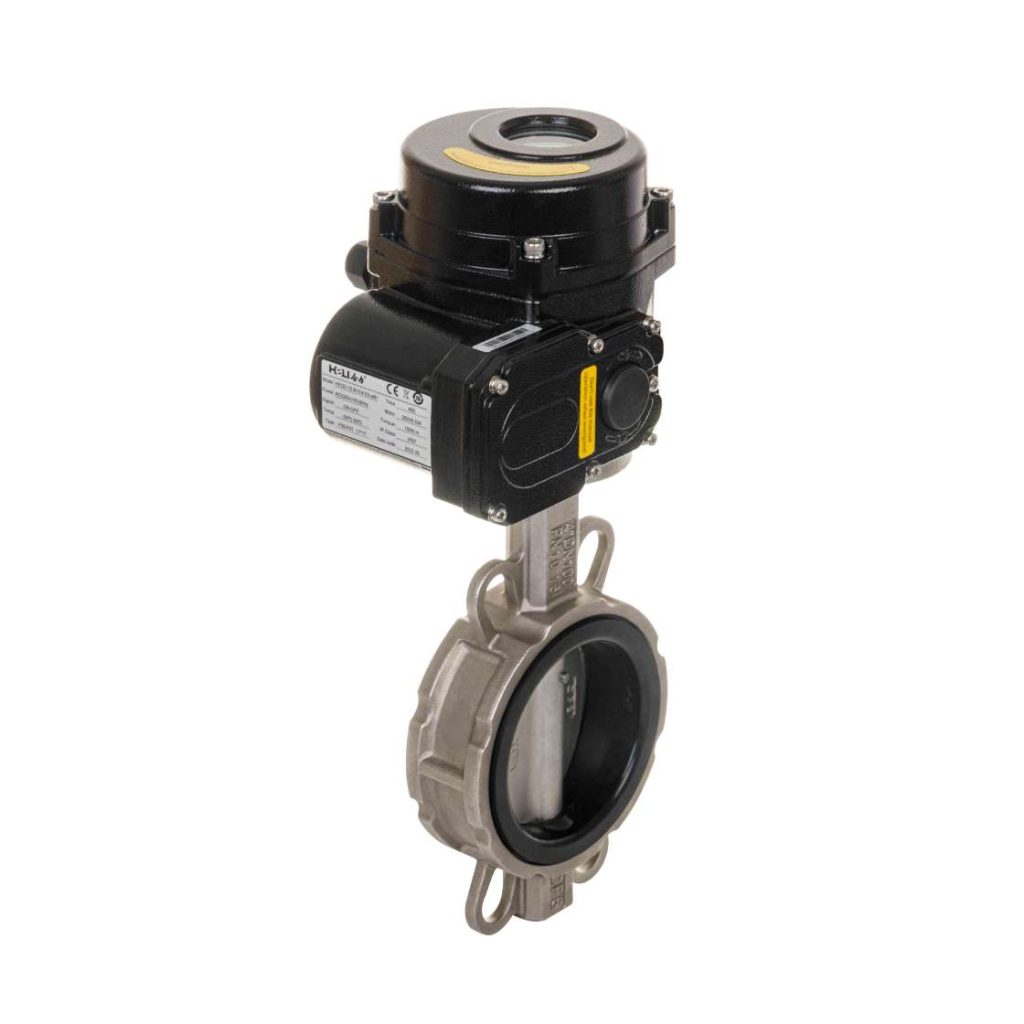
What is an Electric Valve?
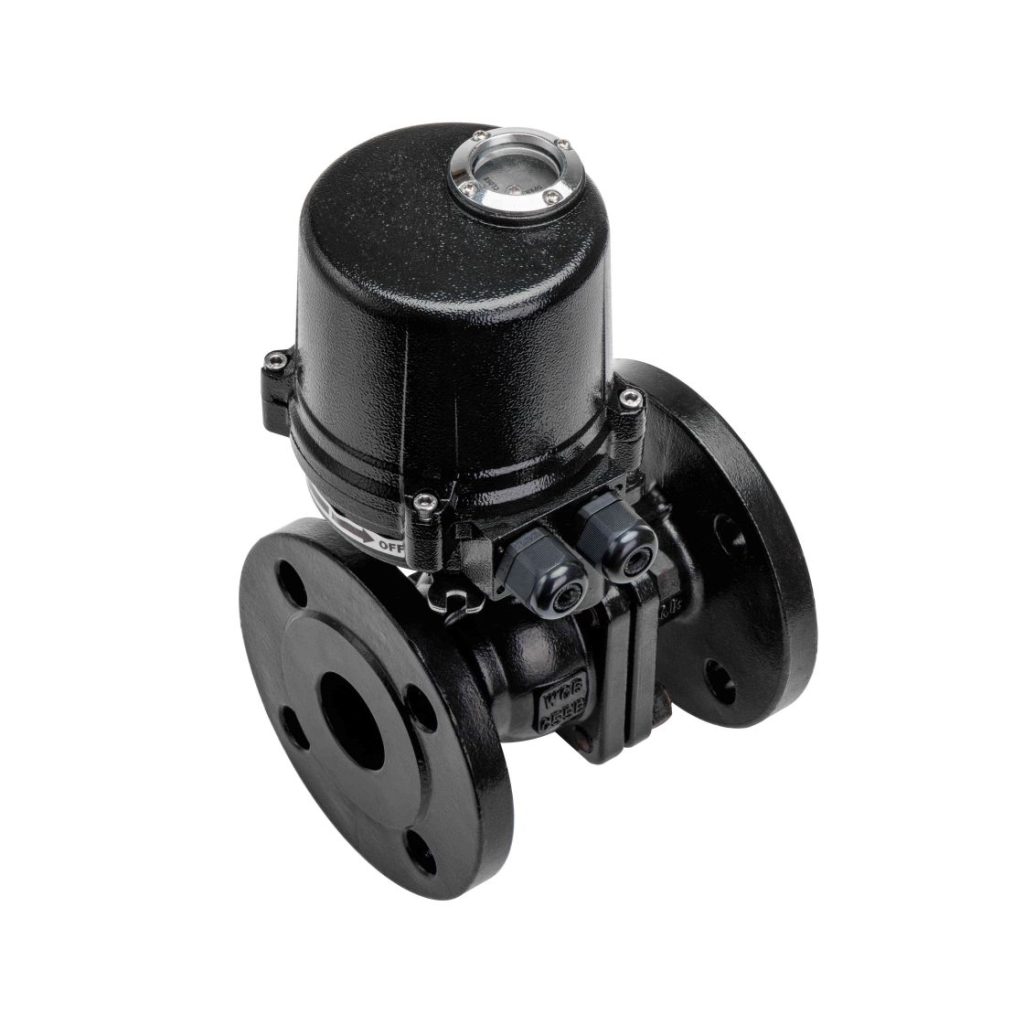
An electric valve is a type of valve that uses an electric actuator to control its opening and closing. The actuator is powered by electricity, which converts electrical energy into mechanical motion to adjust the valve’s position. Electric valves are typically designed to regulate the flow of liquids, gases, or steam in various systems, from water supply networks to complex industrial processes. How Does an Electric Valve Work? At the core of an electric valve is the electric actuator. This actuator can be a stepper motor, a linear actuator, or a rotary motor, depending on the type of valve. When an electrical signal is sent to the actuator, it moves the valve stem or mechanism, either opening or closing the valve. The movement can be either a full opening or closing or an intermediate adjustment, depending on the required flow rate.