Electric pinch valves are essential components in various industrial applications, providing an efficient means of controlling fluid flow. These valves are designed to offer precise flow regulation, ensuring optimal performance in processes that require accurate control of liquids, gases, or slurries. In this article, we will delve into the construction, working principles, applications, advantages, and limitations of electric pinch valves.
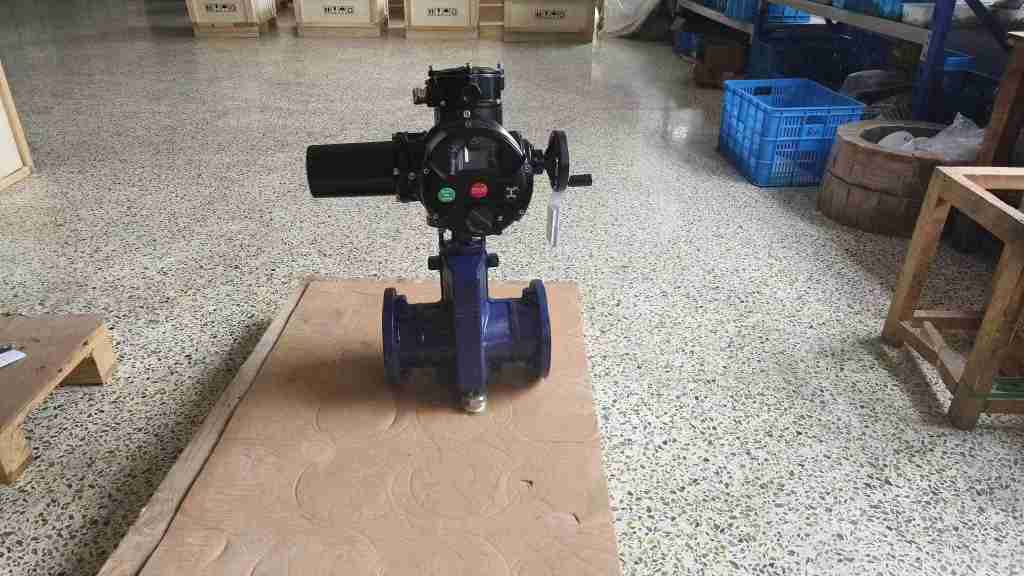
Construction of Electric Pinch Valves Electric pinch valves consist of a flexible tube and an actuator. The flexible tube, usually made from elastomeric materials, serves as the flow path for the medium. When the valve is closed, the actuator compresses the tube, effectively pinching it shut and stopping the flow. Conversely, when the valve is opened, the actuator releases the pressure, allowing the tube to return to its original shape and enabling fluid to flow through. The actuator can be either electric or pneumatic, with electric actuators being increasingly popular due to their precision and ease of integration with automated systems. Electric pinch valves often include a feedback mechanism that allows for real-time monitoring and adjustments, enhancing their functionality.