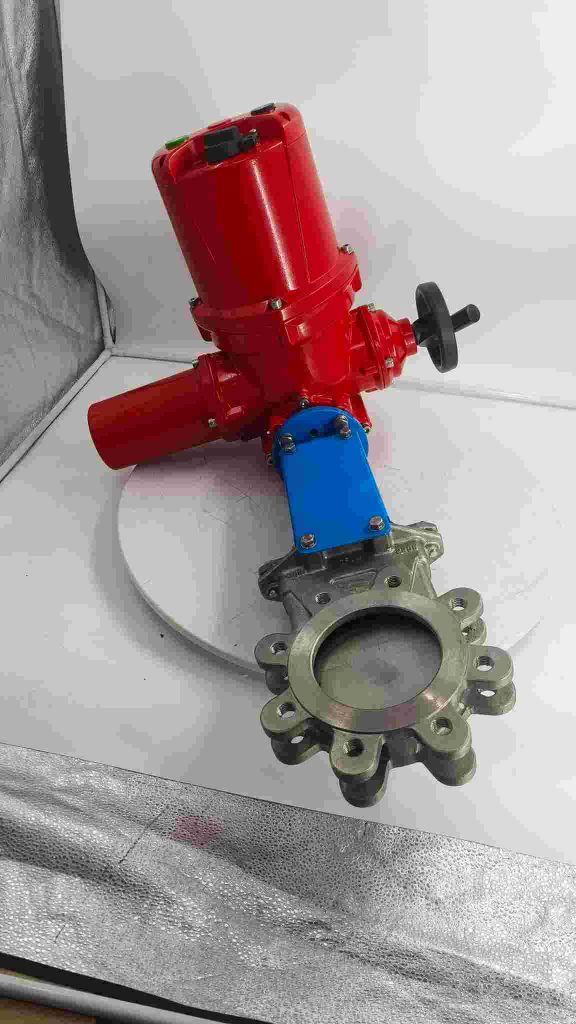
Electric gate valves play a crucial role in modern industrial automation and fluid control systems. As a vital component for managing the flow of liquids and gases, these valves are designed to provide a reliable and efficient means of regulating fluid movement in various applications. This article aims to elucidate the features, applications, and benefits of electric gate valves, highlighting their significance in today’s engineering and manufacturing sectors.
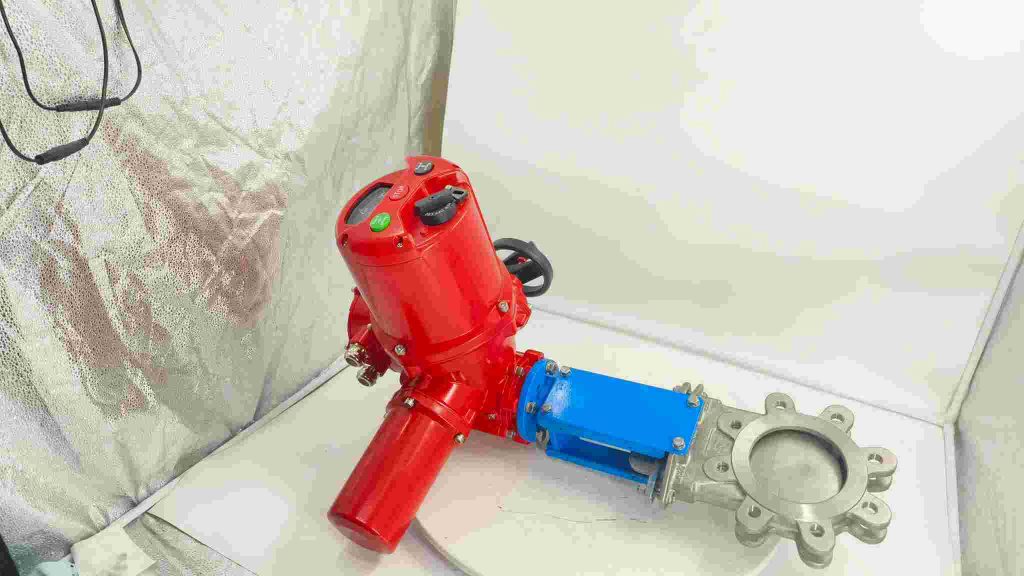
Features of Electric Gate Valves
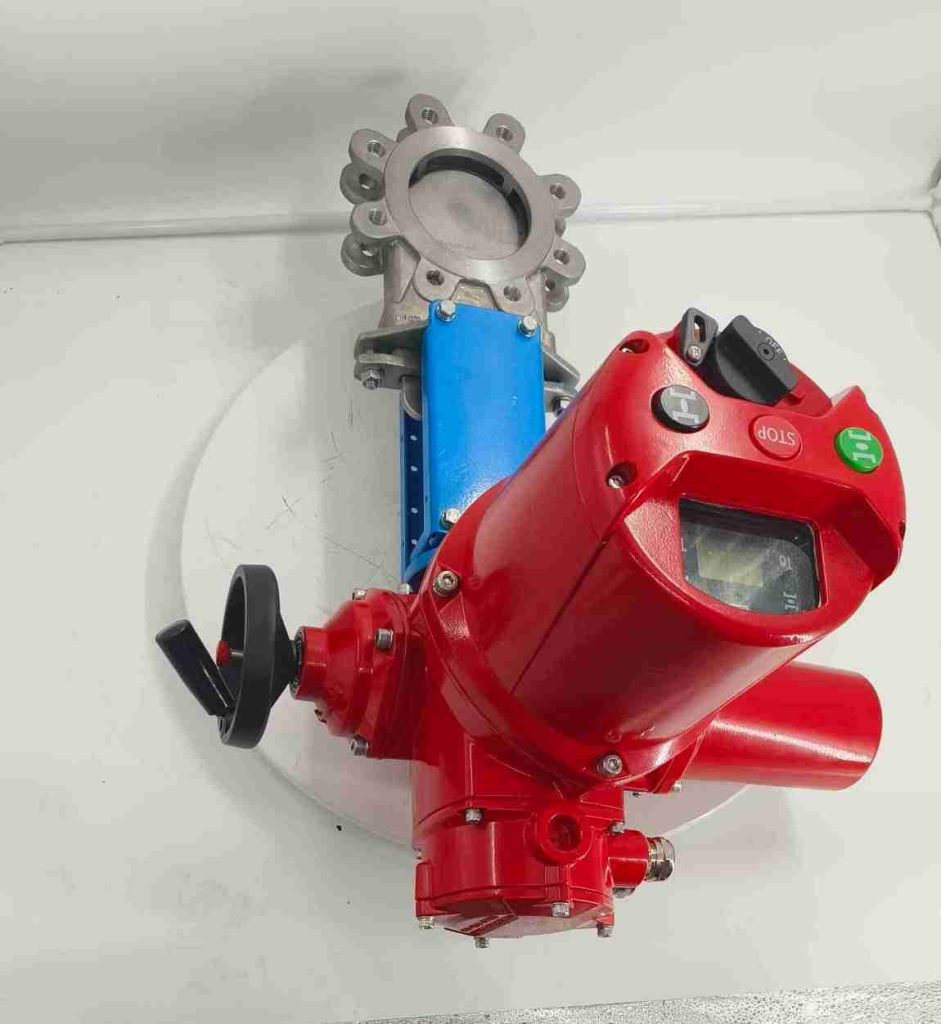
Electric gate valves are characterized by their unique structure and operation, which set them apart from other valve types. The primary component of an electric gate valve is the gate, which is either a wedge or a parallel design that moves vertically to open or close the flow passage. This design ensures a full-flow opening or a complete shutdown of the pipeline system. The key features of electric gate valves include: Electric Actuation: Unlike manual valves that require physical effort to operate, electric gate valves utilize electric actuators to control the gate’s movement. This feature allows for remote operation and integration into automated systems, minimizing the need for human intervention and enhancing safety.