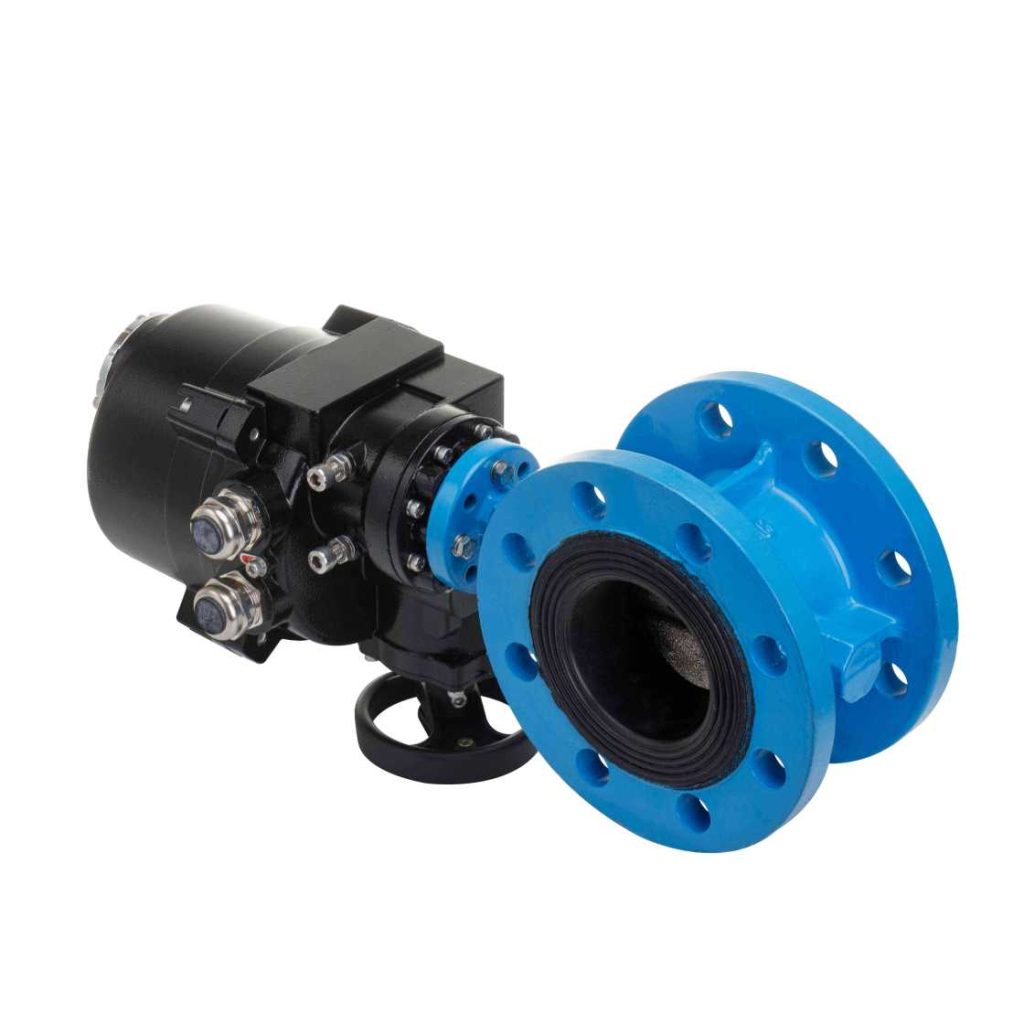
Electric flanged butterfly valves are integral components in various industrial applications, serving as a reliable solution for controlling the flow of fluids in pipelines. These valves combine the simplicity of the butterfly valve design with the precision and automation of electric actuation, offering a range of benefits that make them a popular choice across different sectors. This article explores the fundamental aspects of electric flanged butterfly valves, including their operation, advantages, and common applications.
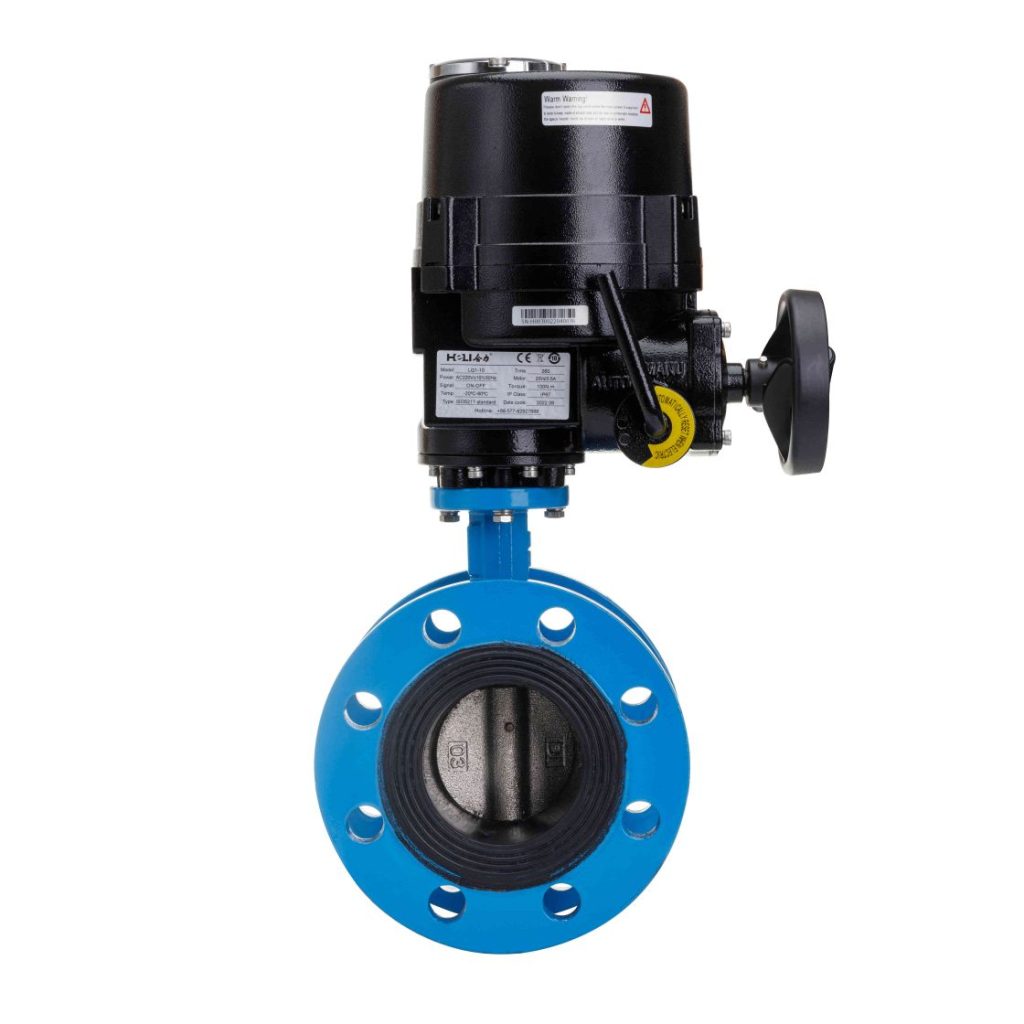
What is an Electric Flanged Butterfly Valve?
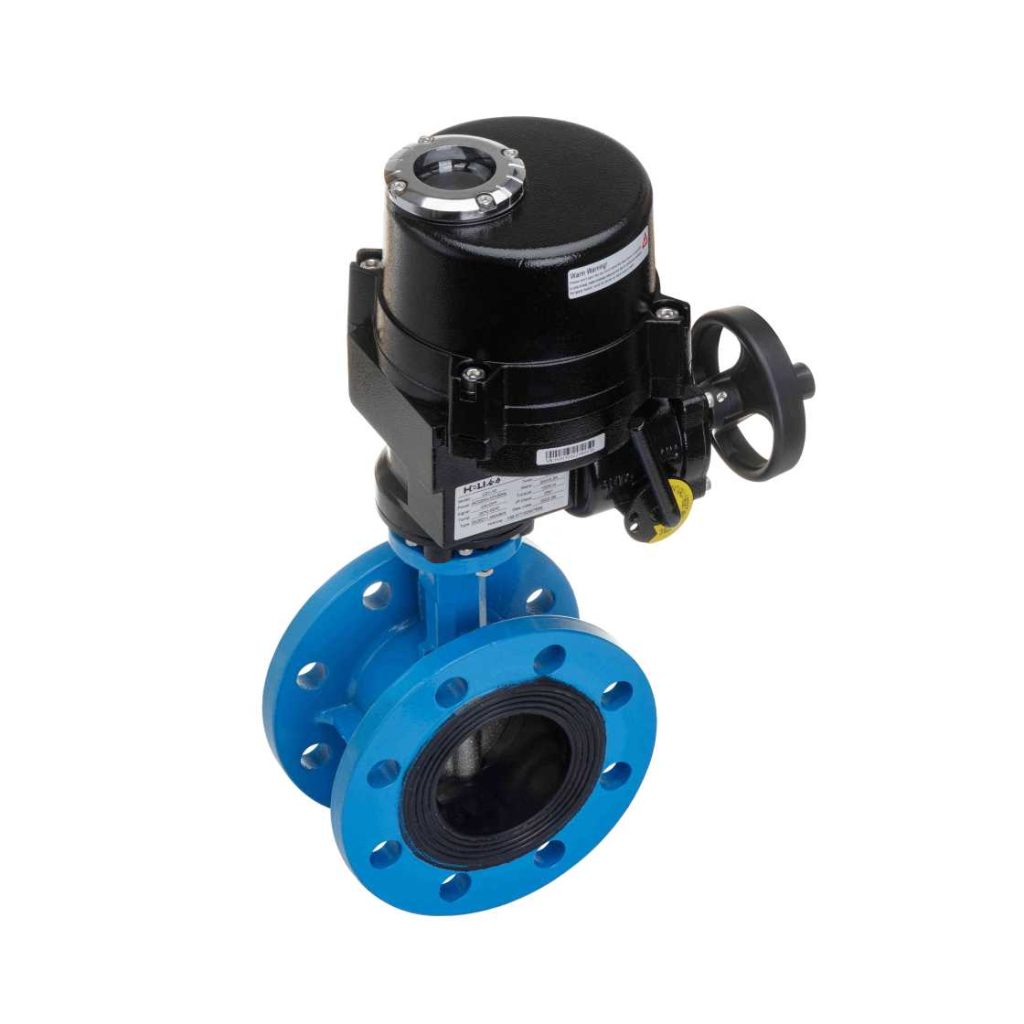
An electric flanged butterfly valve is a type of valve used to regulate the flow of liquids or gases within a pipeline. It features a circular disc that rotates around an axis to either open or close the flow passage. The term “flanged” refers to the valve’s design, which includes flanges for connecting it to the pipeline. The “electric” aspect of the valve refers to its electric actuator, which automates the opening and closing of the valve, eliminating the need for manual operation. How Does it Work? The operation of an electric flanged butterfly valve involves two main components: the valve body and the electric actuator. The valve body contains a disc or vane that rotates to control flow. When the actuator receives an electrical signal, it rotates the valve disc to the desired position—fully open, fully closed, or anywhere in between. The actuator is typically controlled via a switch, remote control system, or programmable logic controller (PLC), allowing for precise and automated operation.