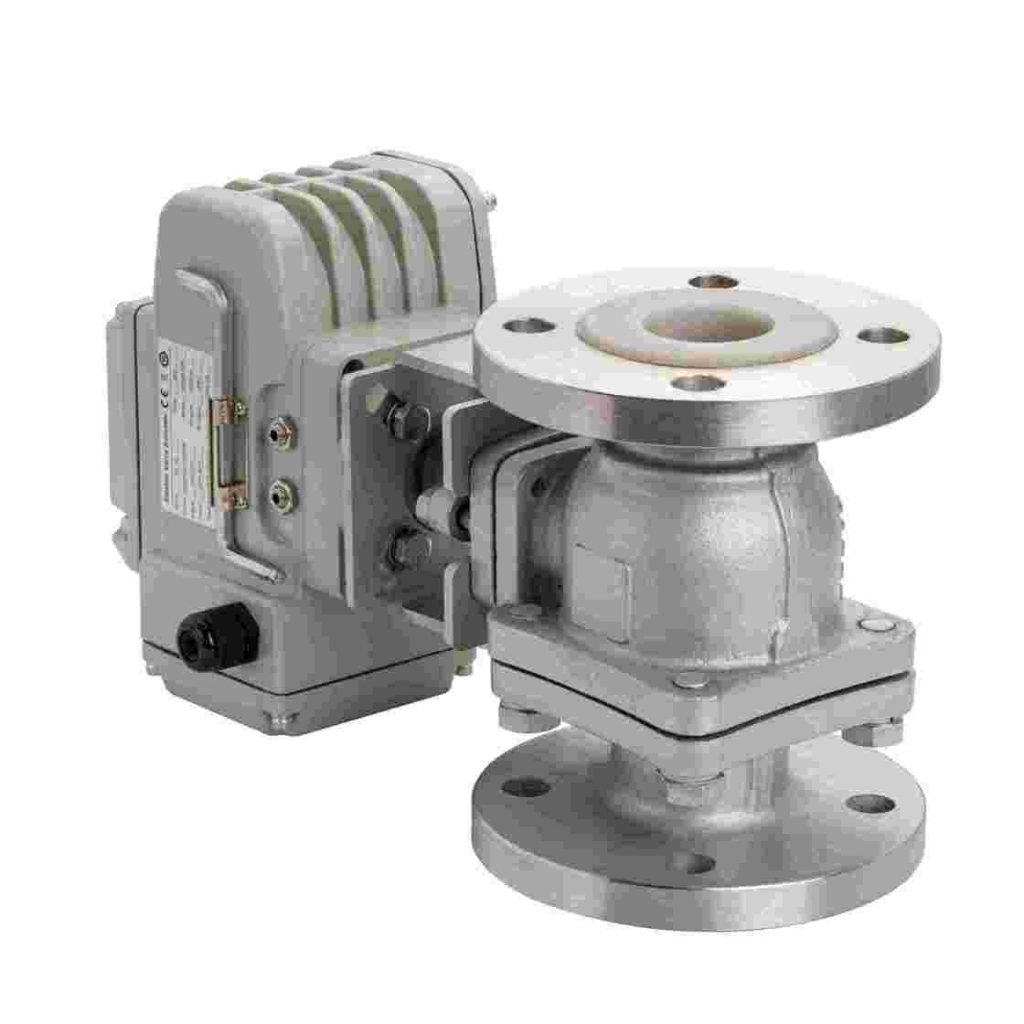
Electric flange ball valves are critical components in various industrial applications, providing efficient control of fluid flow while ensuring durability and reliability. These valves combine the robust structure of a flange-mounted ball valve with the precision of electric actuation, making them an ideal choice for many sectors, including oil and gas, water treatment, and chemical processing. This article delves into the functionality, applications, and benefits of electric flange ball valves, highlighting their significance in modern industry.
What is an Electric Flange Ball Valve?
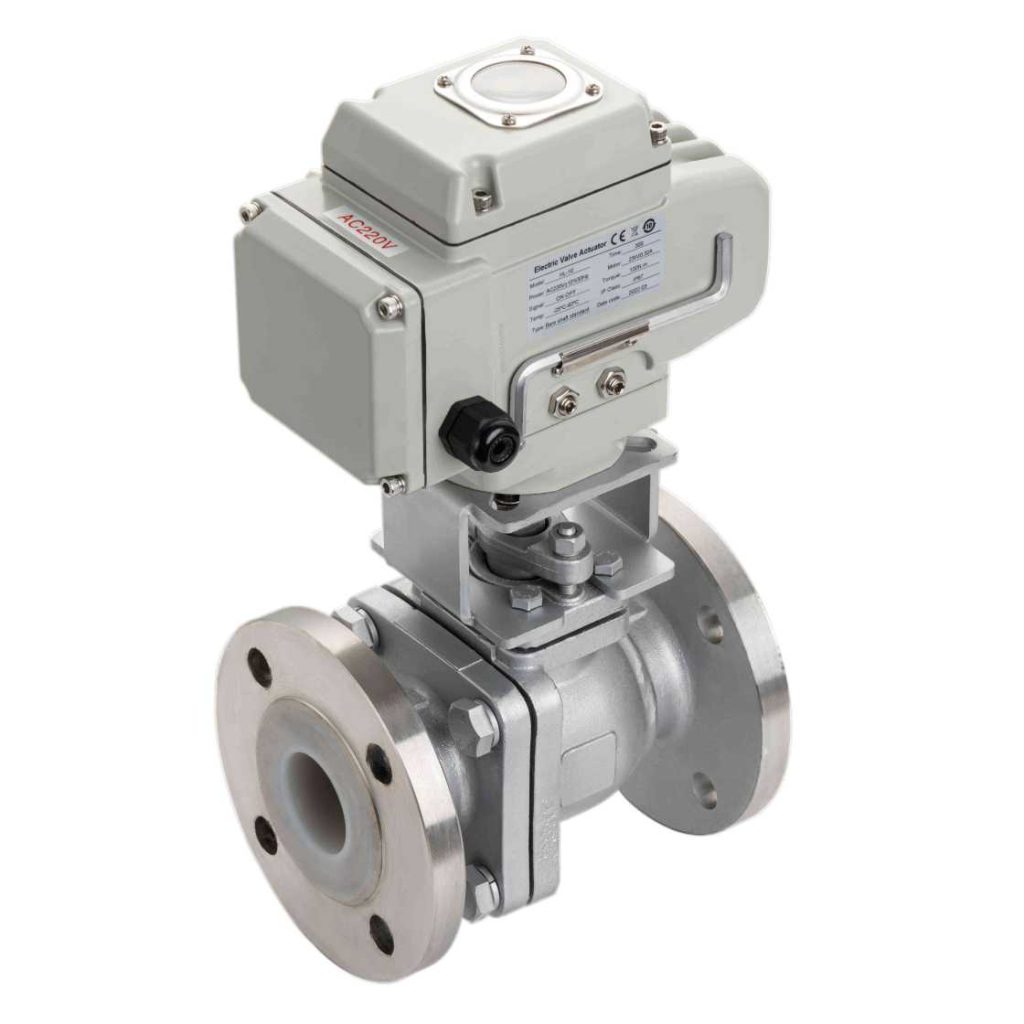
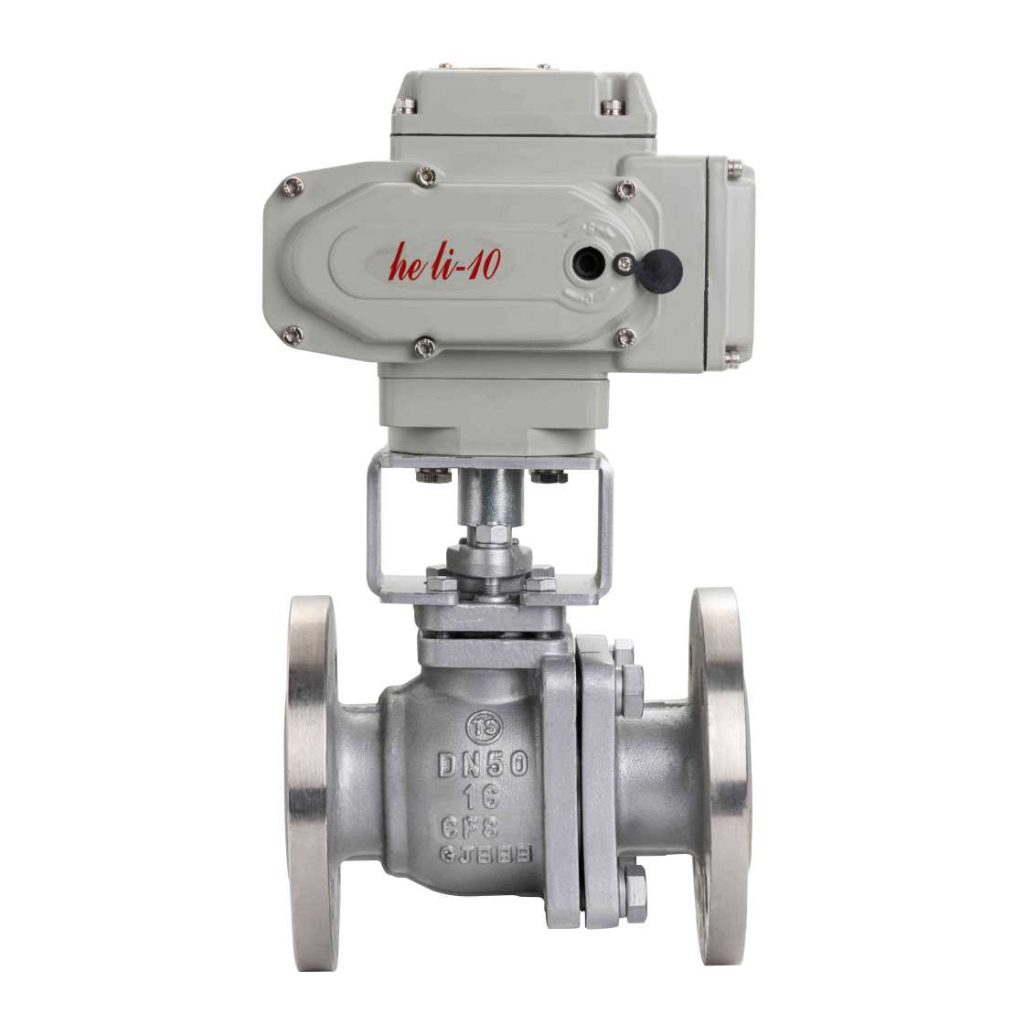
An electric flange ball valve consists of a ball valve mounted between two flanges, which allows for quick and efficient fluid control. The valve operates by rotating a spherical ball with a hole in the middle to either allow or block the flow of liquid. The “electric” aspect refers to an electric actuator connected to the valve, enabling remote or automated operation. This electric actuation provides precise control over the valve’s position, enhancing the ability to regulate flow rates effectively. Key Features and Components Electric flange ball valves have several key components, including: