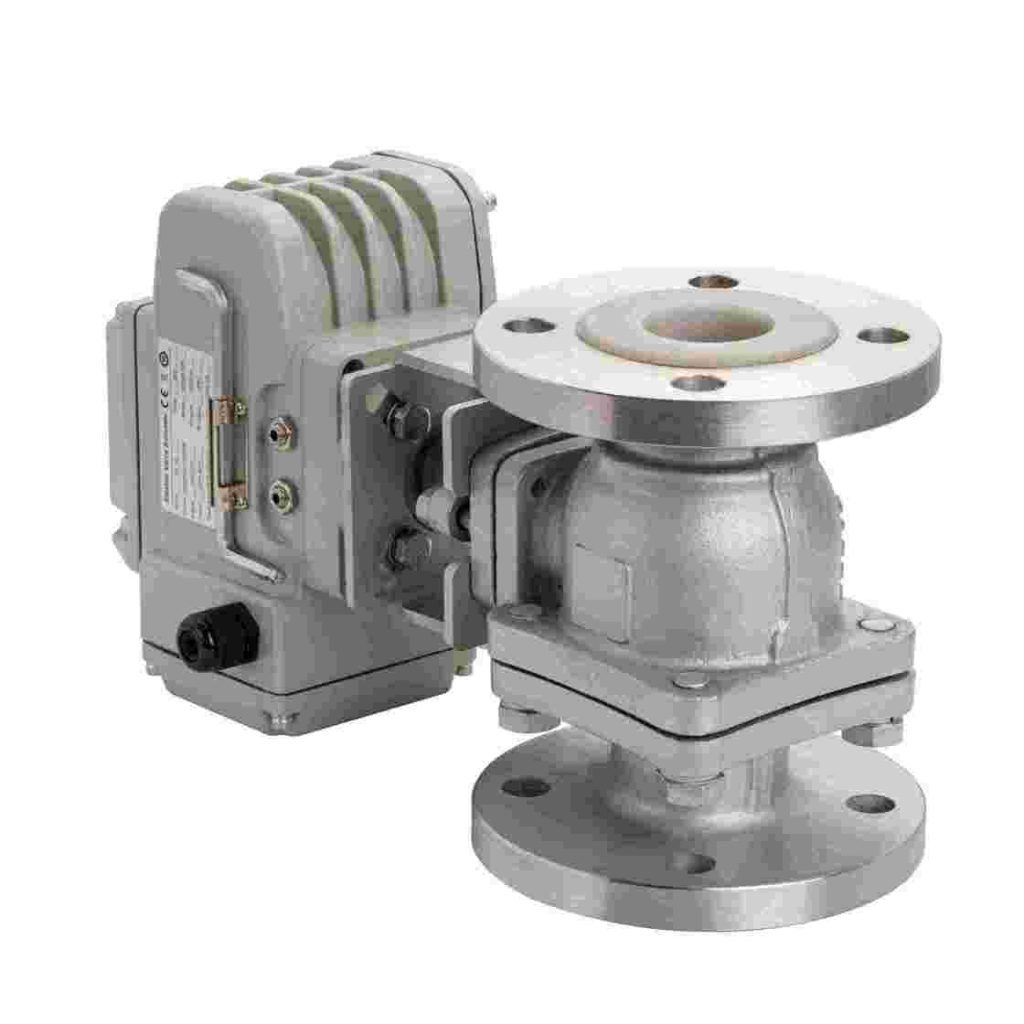
Electric flange ball valves are integral components in modern industrial systems, combining the efficiency of electric actuation with the reliability of ball valve technology. These valves are widely used in various sectors, including manufacturing, water treatment, and chemical processing, owing to their precision and ease of use. This article delves into the design, functionality, benefits, and applications of electric flange ball valves.
Design and Functionality
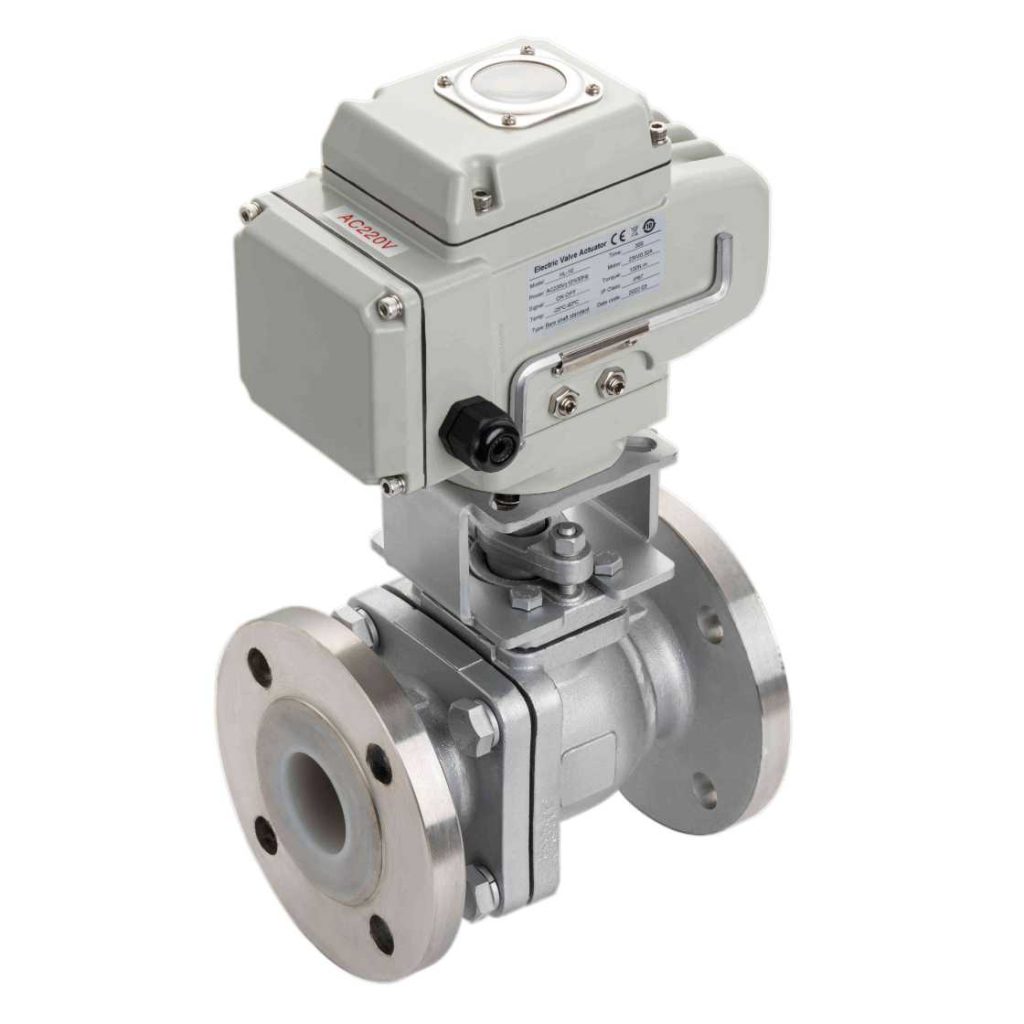
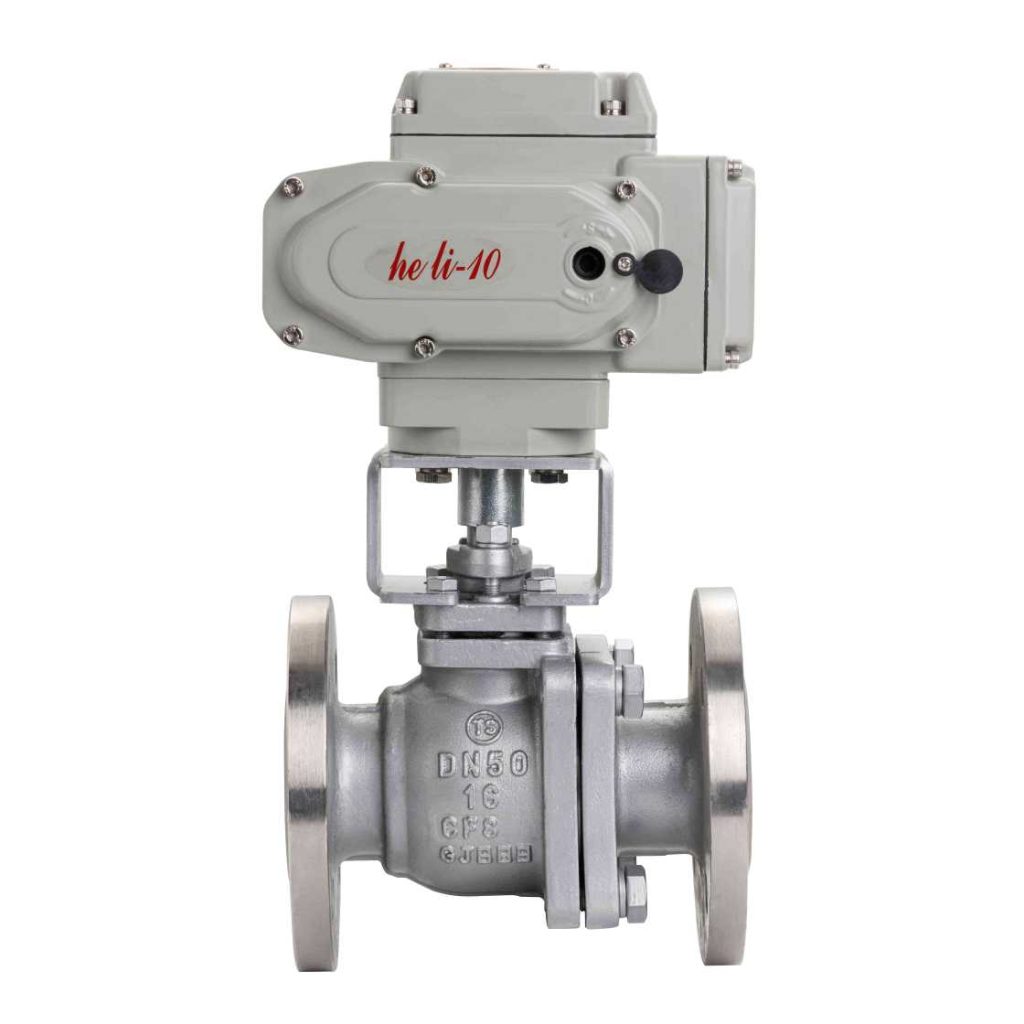
Electric flange ball valves consist of two primary components: the ball valve and the electric actuator. The ball valve, a spherical disc with a central hole, controls the flow of fluids through a pipeline. When the valve is open, the hole aligns with the flow path, allowing fluids to pass through. Conversely, when closed, the ball rotates to block the flow. The electric actuator, mounted on the valve body, automates the valve’s operation. It converts electrical energy into mechanical motion, which in turn rotates the ball inside the valve. This automation allows for remote control and precise regulation of fluid flow without manual intervention.