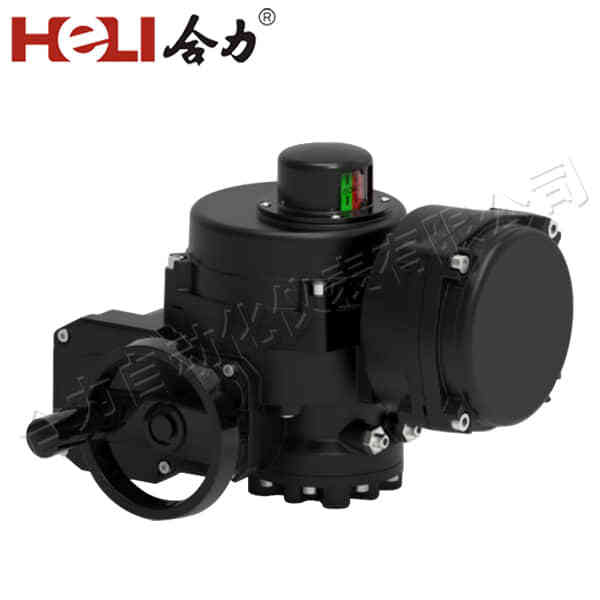
Electric actuators are becoming increasingly vital in modern automation and control systems across various industries. These devices convert electrical energy into mechanical motion, enabling precise control of machinery, tools, or processes. Whether in manufacturing, robotics, automotive, or HVAC systems, electric actuators offer a reliable and efficient solution for tasks that require movement or adjustments. This article explores the working principles, types, applications, and benefits of electric actuators, providing a comprehensive understanding of their significance in today’s technological landscape.
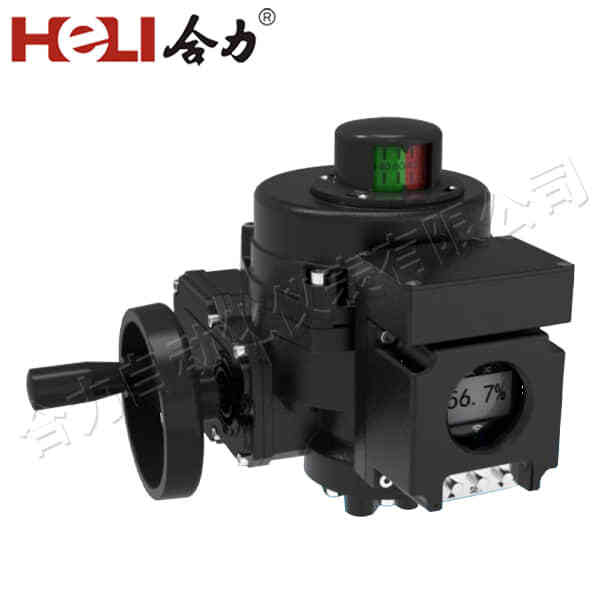
Working Principle of Electric Actuators
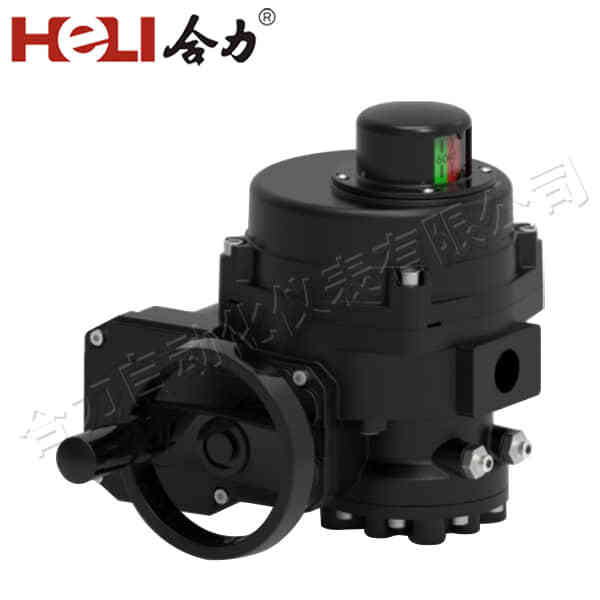
At the core of every electric actuator lies its ability to convert electrical energy into mechanical work. This is typically achieved by using an electric motor that drives a mechanical component, such as a gear, screw, or hydraulic system, to create movement. When an electric current is supplied to the actuator, the motor generates torque or linear force depending on the type of actuator. The result is either rotary motion (as in the case of rotary actuators) or linear motion (as in the case of linear actuators). In essence, an electric actuator operates by using a motor to produce movement in response to an electrical signal. The extent and speed of the motion can be finely controlled, which is crucial for tasks that demand high precision.