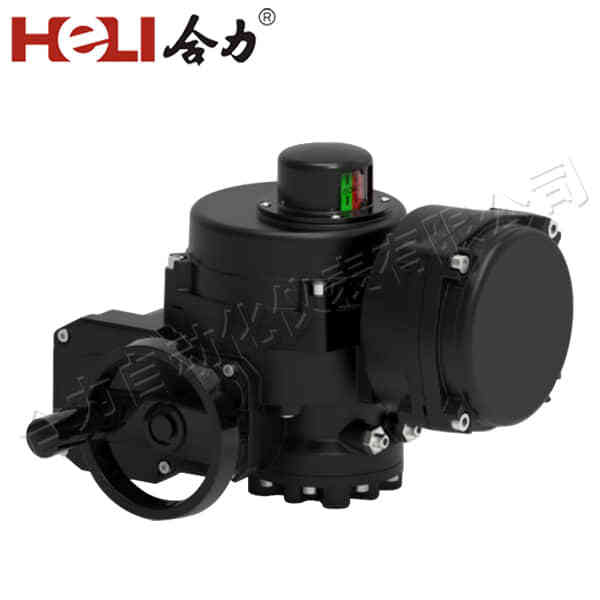
Electric actuators play a crucial role in modern automation, providing precise control and efficiency in a variety of applications. These devices convert electrical energy into mechanical motion, making them indispensable in industries ranging from manufacturing to robotics. This article explores the fundamentals of electric actuators, their types, applications, advantages, and future trends.
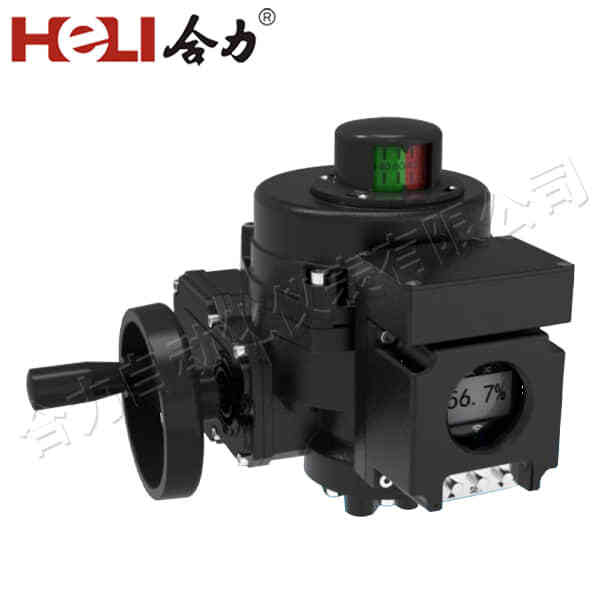
What is an Electric Actuator?
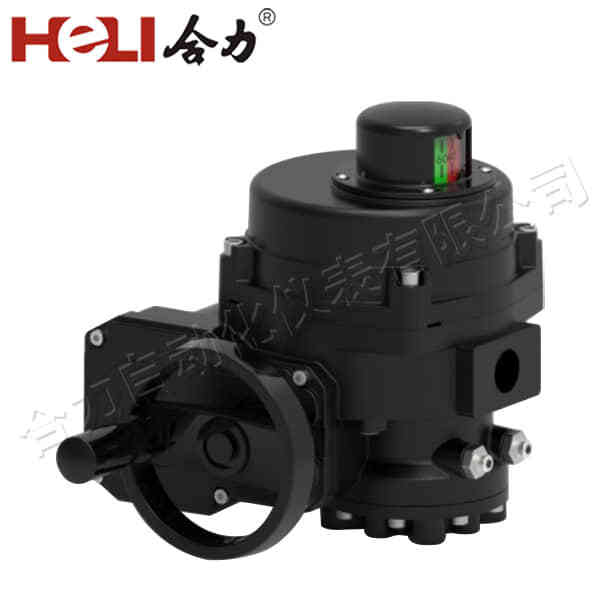
An electric actuator is a device that uses electrical energy to produce linear or rotary motion. They are often used to control valves, dampers, and other mechanical components within a system. Unlike pneumatic or hydraulic actuators, which rely on fluid pressure, electric actuators utilize electric motors to drive motion, making them cleaner and often easier to integrate into existing electrical systems. Types of Electric Actuators Electric actuators can be broadly classified into two main types: linear and rotary actuators. Linear Actuators Linear actuators produce motion in a straight line. They are commonly used in applications where precise positioning is required, such as in robotic arms, conveyor systems, and medical devices. Linear electric actuators can be further divided into: