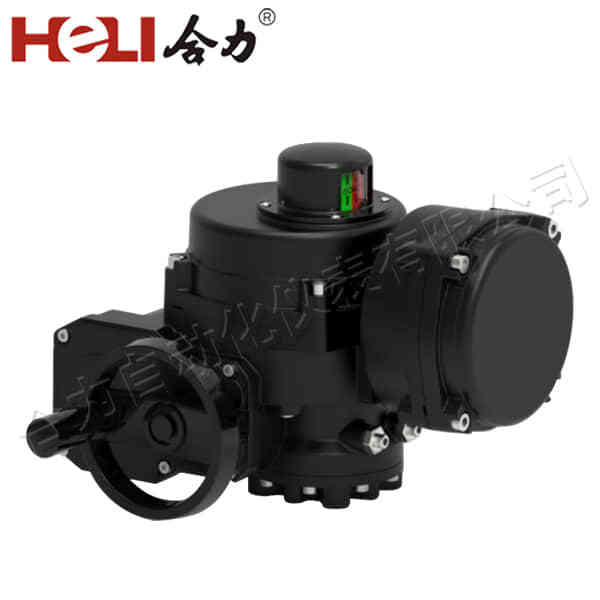
Electric actuators have emerged as a fundamental component in various automation systems across industries. These devices are responsible for converting electrical energy into mechanical motion, playing a crucial role in enhancing efficiency, precision, and reliability in operations. This article will explore the key functionalities, types, applications, advantages, and considerations for electric actuators.
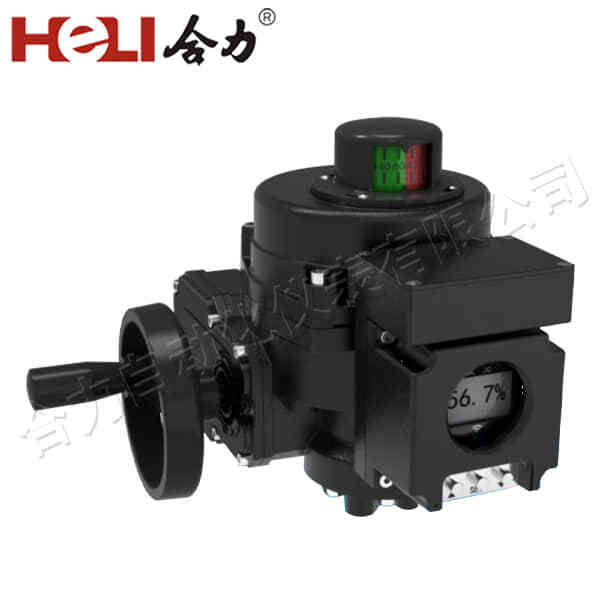
Functionality of Electric Actuators
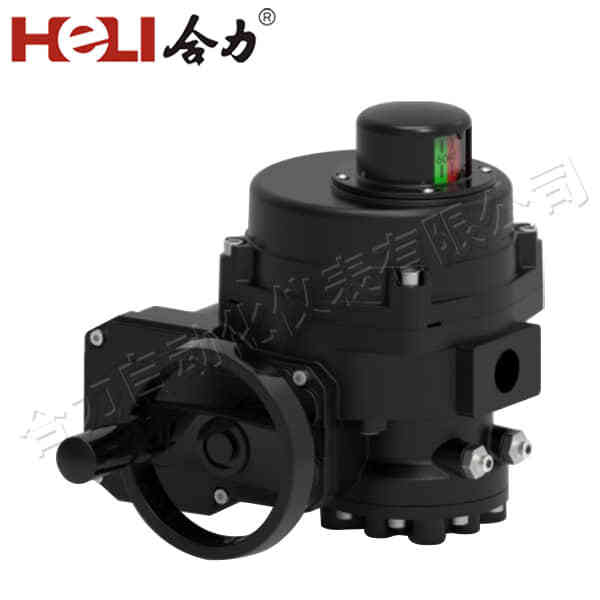
At their core, electric actuators operate by harnessing electric energy to create mechanical movement. This process typically involves an electric motor, often a direct current (DC) motor, alternating current (AC) motor, or stepper motor. The motion produced by electric actuators can be either linear or rotary, making them versatile solutions for different applications. In a linear actuator, an electric motor drives a mechanism that provides straight-line movement. This is commonly achieved through lead screws, hydraulic cylinders, or pneumatic alternatives. On the other hand, rotary actuators produce rotational motion, which is essential for applications requiring turn or twist, such as valve control in pipelines.