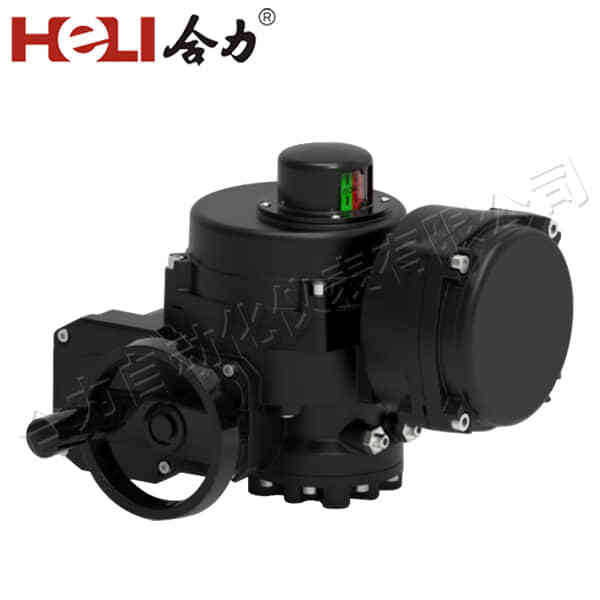
Electric actuators are becoming an essential component in modern automation systems across various industries. They play a pivotal role in converting electrical energy into mechanical energy, enabling precise control over a wide array of applications. As industries continue to evolve and seek more efficient and effective solutions, understanding electric actuators’ operational mechanisms, benefits, and applications becomes paramount.
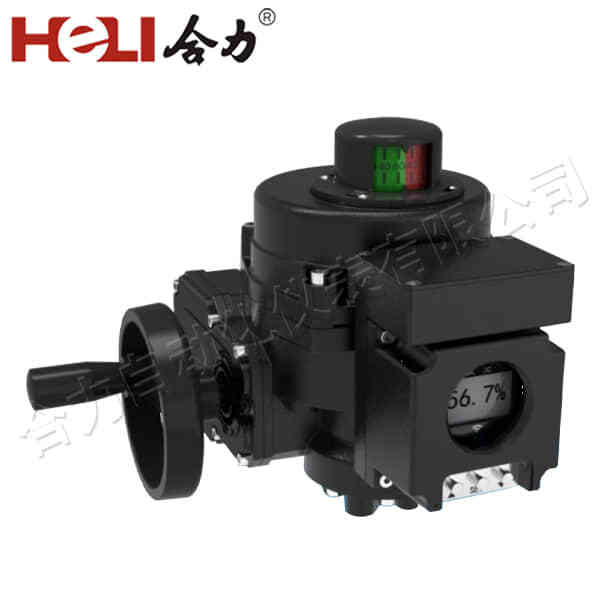
What is an Electric Actuator?
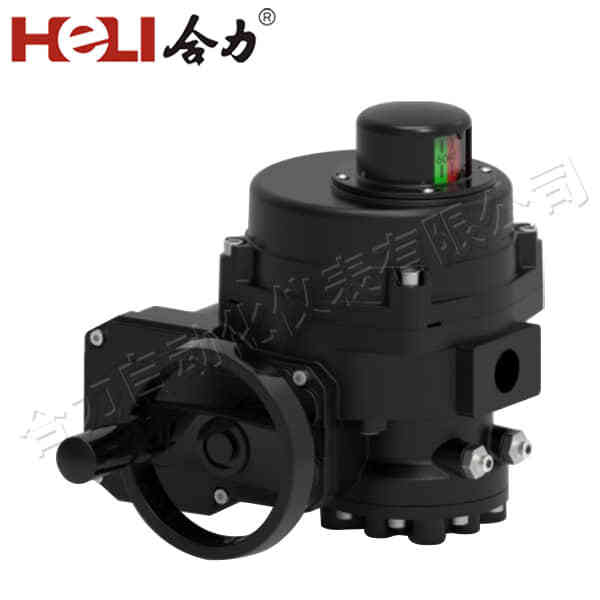
An electric actuator is a type of actuator that uses electrical energy to produce mechanical motion. It typically consists of an electric motor, a drive system, and a control system. The electric motor generates movement based on an input electrical signal, which can be used to control the position, speed, and torque of various devices. Electric actuators can be categorized into two main types: rotary actuators and linear actuators. Rotary Actuators: These actuators convert electrical energy into rotational motion, which is ideal for applications like valve control, where the motion of turning is required.