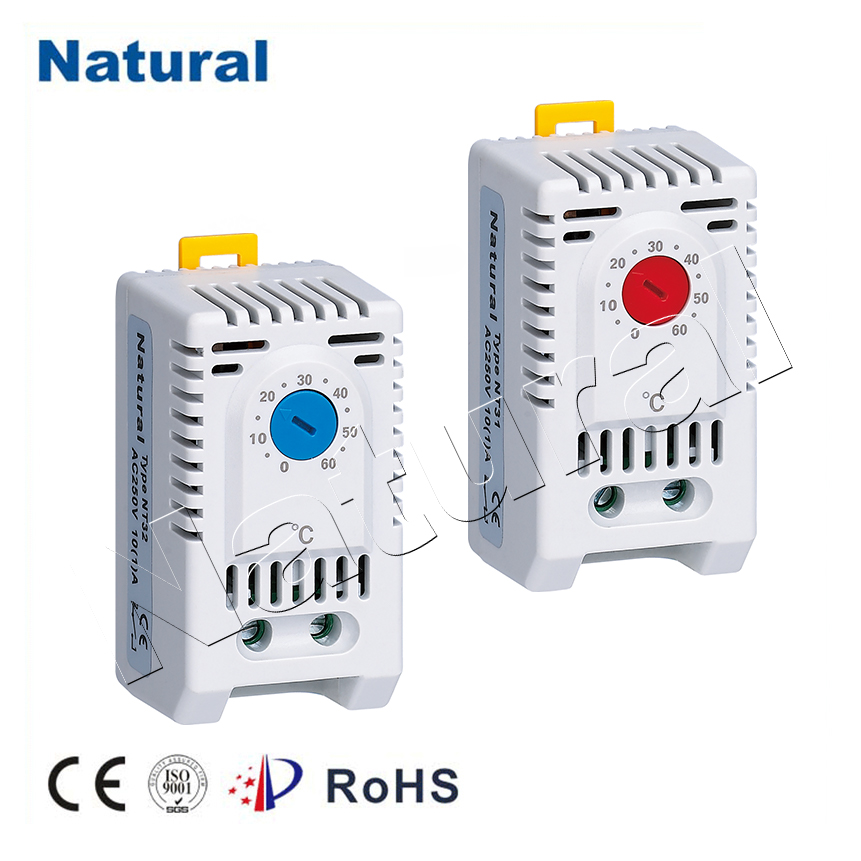
The world’s industries rely heavily on precise temperature control to ensure operational efficiency and equipment longevity. Among the various devices designed for this purpose, the DIN rail thermostat stands out as a highly efficient and practical solution. This article delves into the intricacies of DIN rail thermostats, exploring their construction, functionality, applications, benefits, and key considerations for selection.
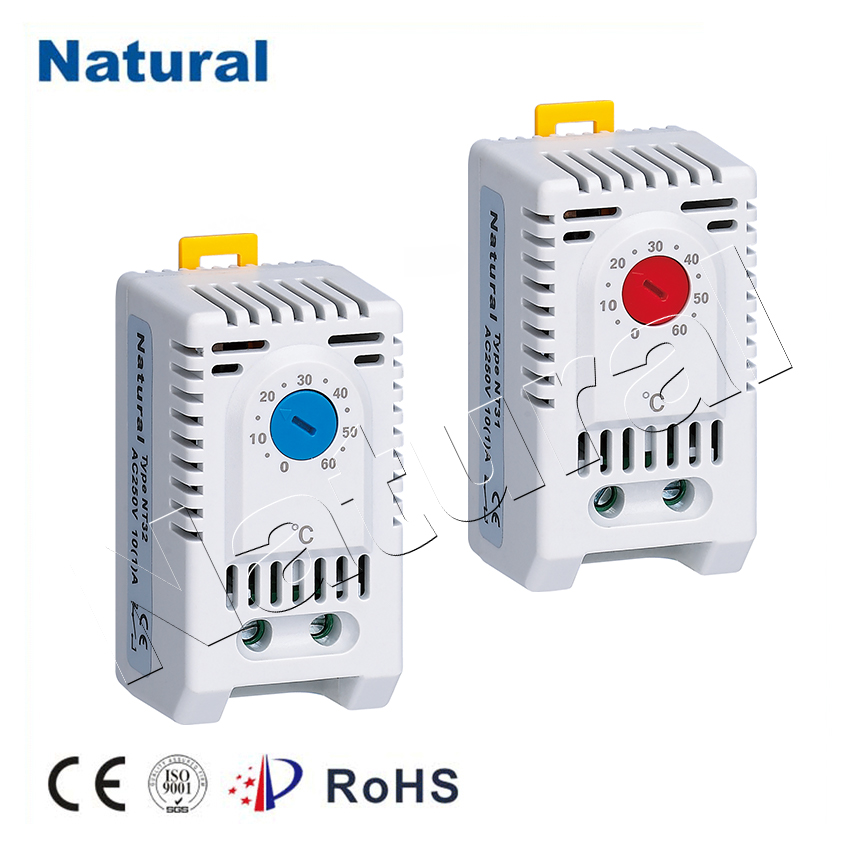
What is a DIN Rail Thermostat?
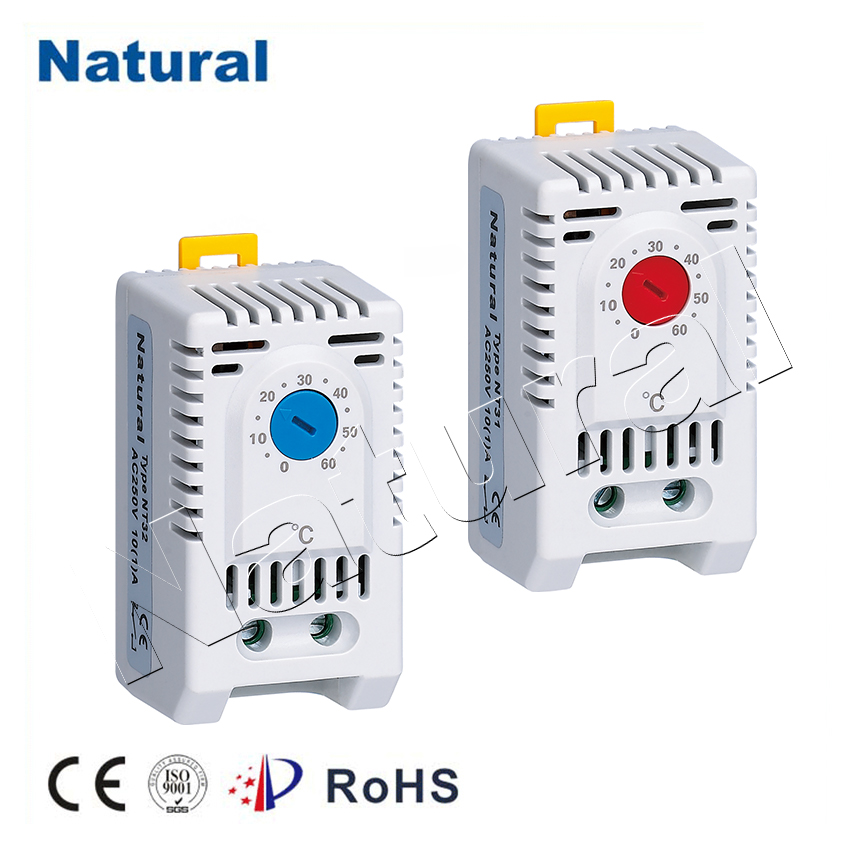
A DIN rail thermostat is an electronic device designed for temperature regulation, typically mounted on standard DIN rails. This form factor adheres to a German industrial standard (DIN 46277), allowing for easy installation within control panels and electrical enclosures. The compact nature of DIN rail thermostats makes them particularly suitable for industries that have space constraints but require robust temperature control solutions. Construction and Functionality At its core, a DIN rail thermostat consists of several key components: Temperature Sensor: Most thermostats come equipped with a temperature sensor, such as a Negative Temperature Coefficient (NTC) thermistor or a Resistance Temperature Detector (RTD). These sensors monitor the ambient temperature with high accuracy.