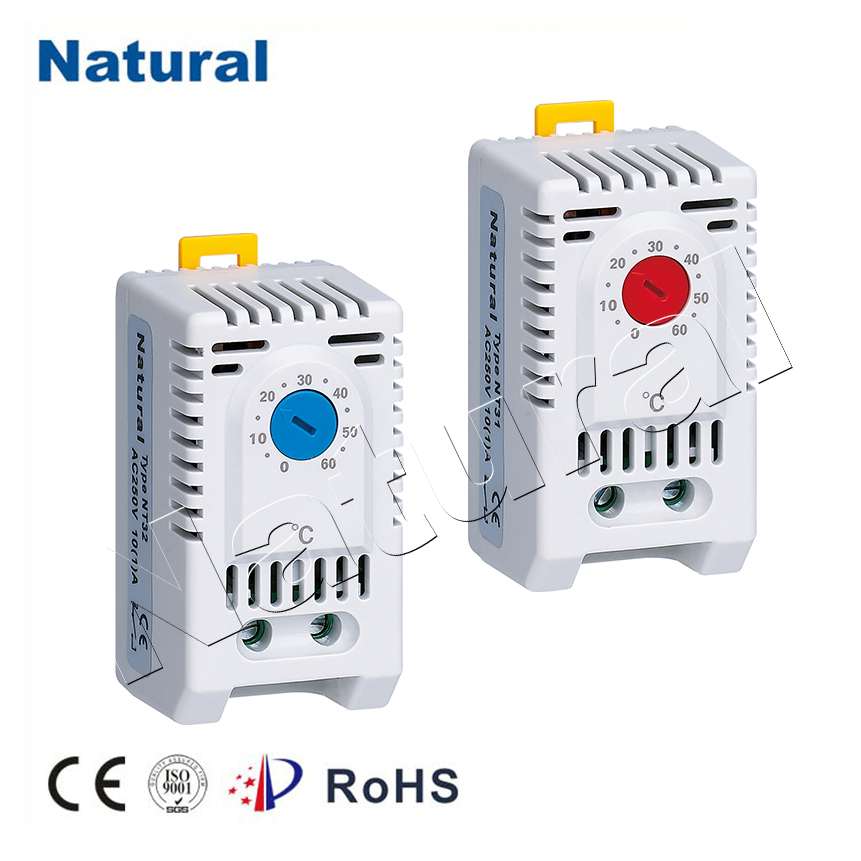
In modern industrial automation, maintaining precise temperature control is vital for the efficiency and safety of various processes. One of the key tools employed in this endeavor is the DIN Rail Temperature Controller. This device plays a crucial role in monitoring and regulating temperature across diverse applications, from manufacturing environments to HVAC systems. This article delves into the construction, functionality, applications, and advantages of DIN rail temperature controllers, providing a comprehensive understanding of their significance in today’s technological landscape.
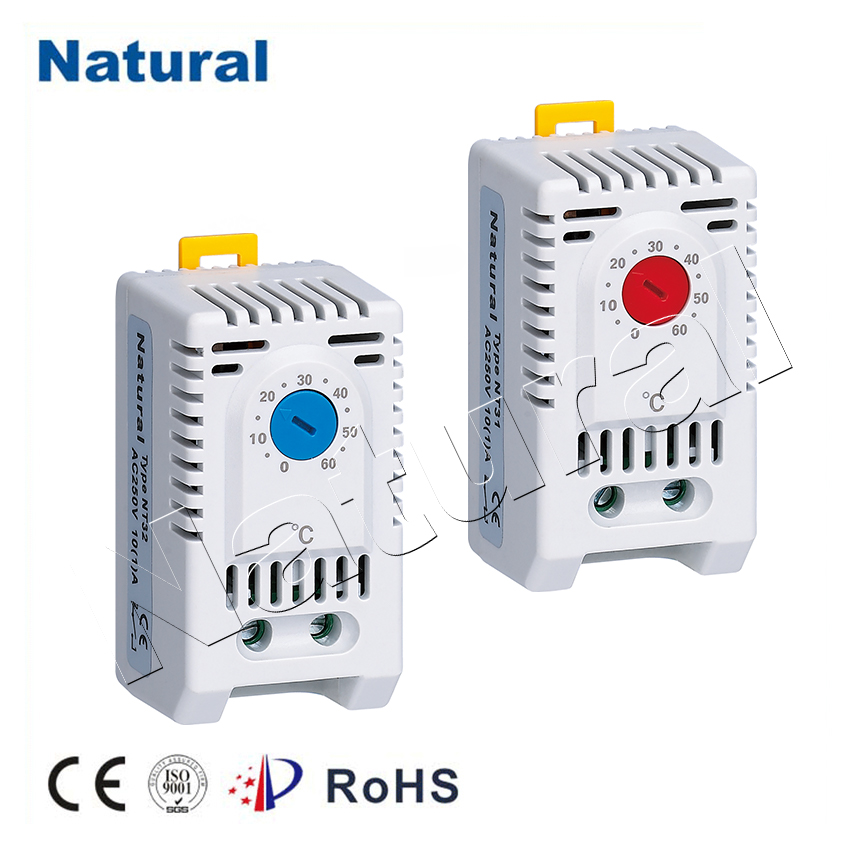
What is a DIN Rail Temperature Controller?
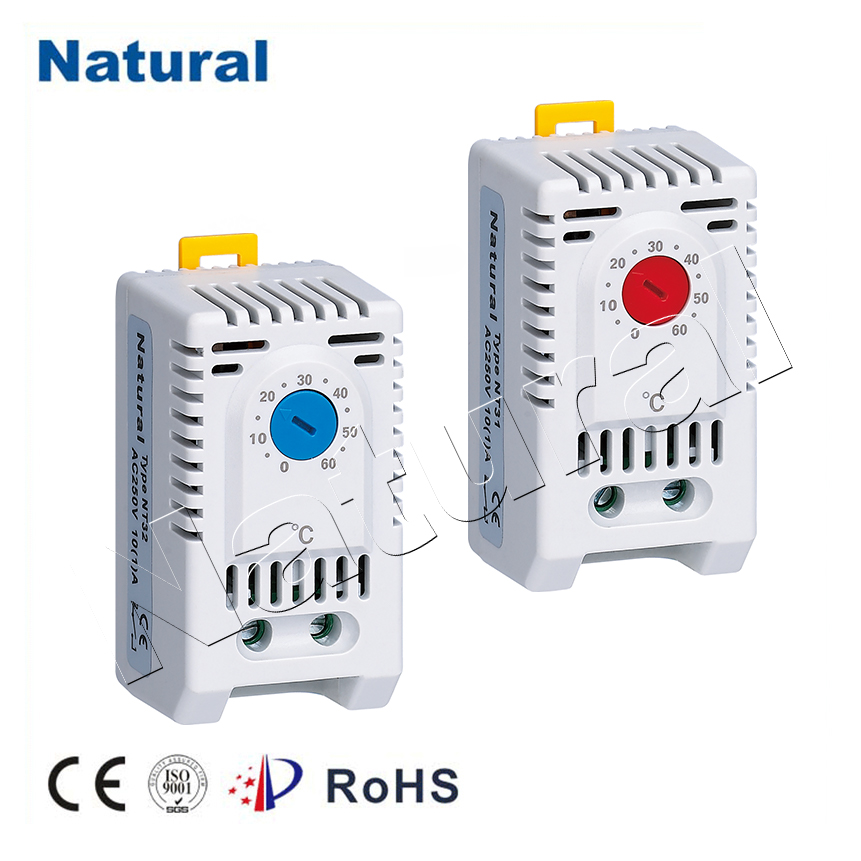
A DIN rail temperature controller is an electronic device designed to monitor, regulate, and maintain temperature within specified limits. The term “DIN rail” refers to the standardized metal rail used to mount such controllers within electrical cabinets. This installation method not only saves space but also simplifies the organization of various control components in industrial settings. Temperature controllers can be highly versatile, accommodating various types of temperature sensors, including thermocouples, resistance temperature detectors (RTDs), and thermistors. These sensors feed temperature data to the controller, which processes it to maintain the desired setpoint through control strategies like On/Off control or more sophisticated proportional-integral-derivative (PID) control.